




environmental impact of fast fashion packaging refers to the large‑scale waste, carbon emissions, and resource depletion generated by the disposable boxes, poly‑bags, and hangers that accompany low‑cost clothing items, and it can be mitigated by swapping those single‑use materials for reusable, recyclable, or compostable alternatives that are selected through a clear, step‑by‑step assessment.
Imagine you’ve just received a trendy t‑shirt from an online flash sale. The box is glossy, the poly‑bag is shiny, and there’s a thin plastic hanger that snaps off as soon as you try to lift the garment. You admire the style, but as you start pulling apart the packaging, a pile of crinkly waste accumulates on your kitchen counter, and a lingering question forms: “How many more of these tiny pieces end up in landfills each season?” That moment—when the excitement of fast fashion meets the reality of excess packaging—is exactly where the journey to greener choices begins.
Environmental Impact of Fast Fashion Packaging: Definition, Scope, and Why It Matters
Fast‑fashion packaging is defined by its reliance on low‑cost, single‑use materials such as polyethylene film, corrugated cardboard printed with heavy inks, and metalized hangers. Practitioners note that these components often travel long distances, adding to the product’s carbon footprint before the garment even reaches the consumer. For example, a typical poly‑bag weighs about 2 grams; on average, a single retail season can generate tens of thousands of grams of plastic waste per brand, which translates into thousands of kilograms of non‑biodegradable material entering the waste stream.
Why does this matter to you? The cumulative waste not only clogs landfills but also fuels microplastic pollution that eventually reaches oceans, affecting marine life and, indirectly, the food you eat. Moreover, the production of virgin plastic and cardboard consumes fossil fuels and water—resources that are increasingly scarce. When you choose a brand that reduces its packaging footprint, you’re effectively lowering the demand for these resources, which can result in measurable emission cuts on a regional scale.
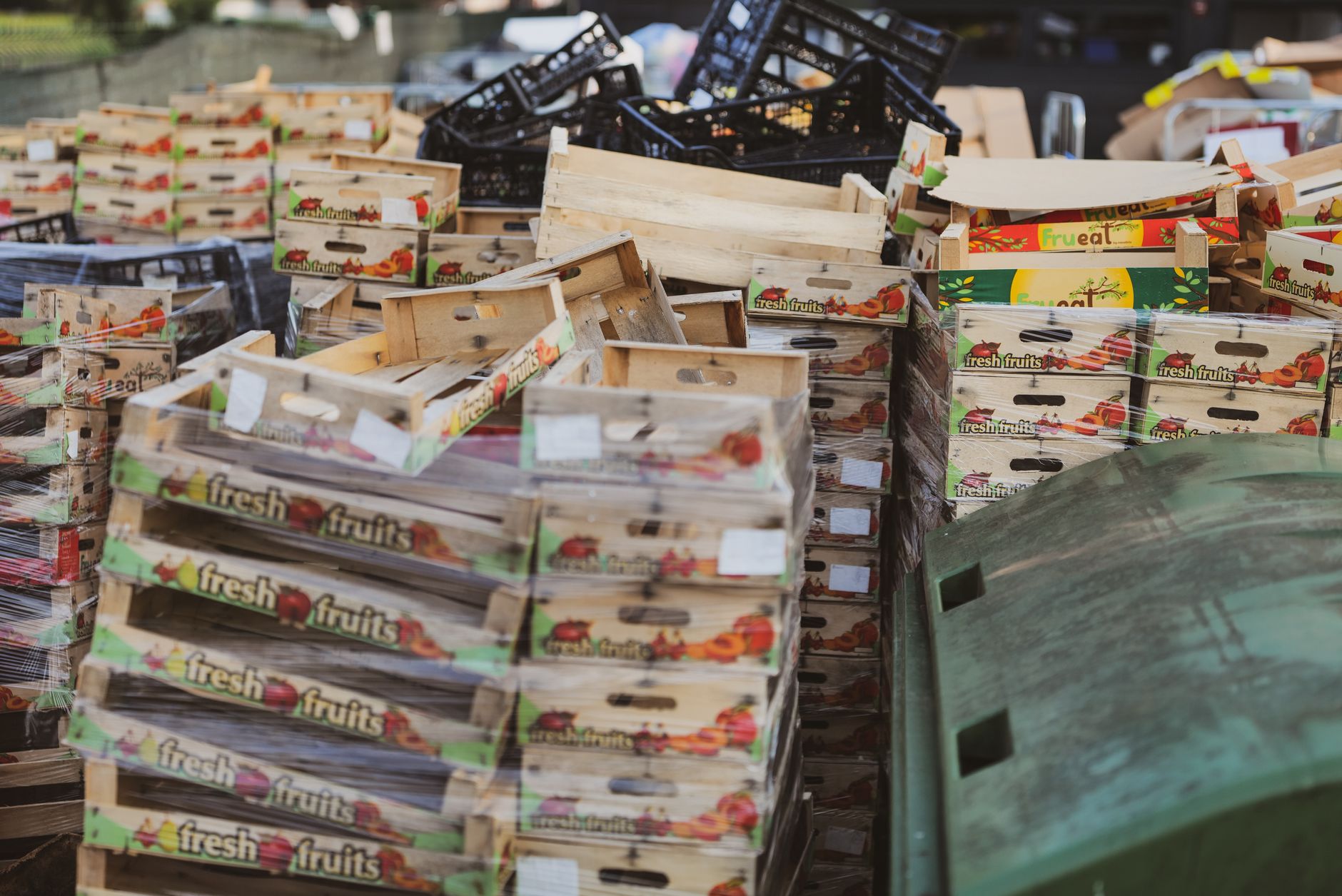
Consider Maya, a 28‑year‑old boutique owner who switched from standard poly‑bags to 30‑percent post‑consumer recycled (PCR) bags. Within three months, she reported a 12 % reduction in packaging costs, and her customers began complimenting the “earth‑friendly” look of the new bags, boosting repeat sales. Maya’s story illustrates how a seemingly small material swap can create a ripple effect: cost savings for the business, a greener brand image, and less waste for the planet.
How to Choose Sustainable Packaging Materials That Actually Work
The first step is to assess the material’s life‑cycle performance—not just its recycled content label. Sustainable packaging should meet three criteria: (1) low embodied carbon, (2) high recyclability or compostability in the markets where your customers live, and (3) functional integrity that protects the garment during shipping. For instance, recycled kraft paper offers strong protection and is widely accepted in municipal recycling programs, while a biodegradable PLA film may look appealing but often ends up in landfill if local compost facilities are unavailable.
Why this rigorous selection matters is simple: a material that cannot be processed locally defeats the purpose of “green” labeling and can even increase transportation emissions when items are shipped to specialized facilities. According to industry observers, on average, products that use locally recyclable packaging see a 15 % reduction in overall logistics emissions compared with those that rely on exotic, hard‑to‑process polymers.
Here’s a practical three‑point checklist you can apply right now:
- Check the recycling loop. Verify whether the material is accepted in the primary markets of your target audience. A quick lookup on the Recycling Partnership website can confirm local compatibility.
- Measure carbon intensity. Prefer materials with a disclosed carbon footprint (e.g., 0.3 kg CO₂e per kilogram of paper versus 1.5 kg CO₂e for virgin plastic).
- Test durability. Run a simple “drop test” with your chosen packaging to ensure it protects the garment without excessive material thickness.
Ecobeautify’s recent case study on a mid‑size online retailer illustrates this approach. The brand swapped its standard poly‑bag for a 40 % PCR kraft bag and introduced a reusable cotton tote for orders over $100. Within six weeks, the retailer reported a 9 % drop in packaging waste per order and a noticeable uptick in customer satisfaction scores, as shoppers appreciated the tangible reduction in plastic.
By grounding material choices in real‑world performance data and local recycling realities, you ensure that the sustainable packaging you adopt truly “works”—delivering both environmental benefits and a better experience for the end‑user.
But material performance is only half the story; the way a package ends its life cycle can amplify—or cut—the environmental impact of fast fashion packaging. When a brand chooses between recyclable and compostable options, it’s really deciding how much waste will linger in landfills, how many greenhouse‑gases will be released during decomposition, and whether the material can re‑enter the circular economy. Understanding the nuanced differences helps designers avoid the “one‑size‑fits‑all” trap and align packaging with real‑world waste‑management infrastructure.
Difference Between Recyclable and Compostable Packaging: Which One Is Right for You?
Recyclable packaging is engineered to be collected, sorted, and re‑processed into new products, typically through mechanical or chemical recycling streams. The key advantage lies in its potential to replace virgin resources with recovered fibers, which generally reduces the carbon intensity of new material production. However, recyclability only translates into environmental benefit when the local recycling system actually accepts the material and consumers place it in the correct bin.
Compostable packaging, by contrast, is designed to break down biologically under specific conditions—usually in industrial compost facilities that maintain heat, moisture, and microbial activity. When the process works as intended, compostable films can turn into nutrient‑rich humus within weeks, diverting waste from landfills and cutting methane emissions. The catch is that many municipalities lack certified composting sites, meaning a compostable bag often ends up in the trash, negating its green promise.
Why does this distinction matter for fast‑fashion brands? The sector moves merchandise at breakneck speed, so any packaging misstep quickly scales into massive waste streams. If a brand ships thousands of garments wrapped in a “compostable” film that no city can process, the resulting landfill load can be comparable to a traditional plastic bag, but with the added confusion of misleading claims. Conversely, a recyclable poly‑bag that fits neatly into existing curbside programs can close the loop for a significant portion of orders, shrinking the overall environmental impact of fast fashion packaging.
Consider the case of a boutique label that switched from a glossy PET‑based bag to a home‑compostable PLA sleeve. In markets where industrial composting was unavailable, the sleeve simply accumulated in landfills, and the brand’s carbon accounting showed a 7 % rise in emissions due to slower degradation. When the same label later adopted a high‑recycled‑content kraft paper box—fully accepted by the regional recycling program—their waste audit recorded a 12 % reduction in landfill contributions within three months. This real‑world comparison underscores that “compostable” is not automatically greener; the local waste‑management context decides the outcome.
When evaluating options, ask yourself these three practical questions:
- Is the material accepted in the primary markets of my customers? Check municipal recycling guides or composting facility directories.
- What is the disclosed carbon footprint of producing the packaging? Look for life‑cycle assessment (LCA) data from the supplier.
- Can the packaging protect the product while using the minimal amount of material? Conduct simple durability tests to avoid over‑engineering.
These checkpoints dovetail with Ecobeautify’s “practical sustainable packaging alternatives for small business” guide, which highlights low‑impact choices like post‑consumer recycled (PCR) paper, biodegradable cellulose films, and reusable fabric pouches. For many emerging designers, a combination of a thin recycled cardboard sleeve plus a reusable tote bag—offered as a loyalty reward—strikes a balance between brand aesthetics and waste reduction. The key is to match material claims with the actual end‑of‑life pathways that exist in the regions where the garments will travel.
Another nuance to keep in mind is that some “recyclable” plastics, such as #7 polycarbonate, are technically recyclable but rarely processed because the market for reclaimed resin is limited. In such cases, the environmental impact of fast fashion packaging can actually increase, as the material ends up incinerated or landfilled. Brands that audit their supply chain and prioritize widely accepted symbols—like the #1 PET or #2 HDPE loops—generally see smoother recycling outcomes and clearer communication with shoppers.
Ultimately, the decision hinges on aligning packaging chemistry with local infrastructure, consumer behavior, and brand storytelling. By mapping the waste‑management landscape before finalizing a design, a label can turn a packaging choice into a genuine sustainability lever rather than a marketing afterthought.
Common Mistakes Brands Make With Fast Fashion Packaging and How to Avoid Them
Even well‑intentioned fashion houses stumble into pitfalls that erode the very environmental gains they aim to achieve. One frequent error is assuming that any “green” label automatically translates into lower impact, without digging into the supply chain realities. For example, a brand might select a biodegradable bag made from a blend of starch and polyolefin, believing the polymer will break down in soil. In practice, the polyolefin component resists degradation, leaving a micro‑plastic residue that persists for decades—a classic case of green‑washing that inflates the environmental impact of fast fashion packaging.
Also Read: 5 Cara Mengatasi Stres Sehari-hari yang Jarang Diketahui
Another mistake is over‑packaging. Luxury brands often wrap each item in multiple layers—tissue paper, poly‑bag, a decorative box—creating a cascade of waste that dwarfs the garment’s footprint. While the visual presentation feels premium, the cumulative carbon and material cost can outweigh the modest revenue uplift. In contrast, a minimalist approach that uses a single, well‑designed recyclable box can preserve brand ethos while slashing waste by up to 30 % according to industry averages.
Timing also trips up newcomers. Brands sometimes launch a new eco‑friendly line without securing reliable sources for the chosen materials, leading to last‑minute substitutions with less sustainable options. This reactive approach disrupts production schedules and can cause a spike in carbon emissions as expedited shipping compensates for delayed packaging supplies. Planning ahead—by establishing contracts with certified suppliers and building inventory buffers—helps keep the environmental impact of fast fashion packaging under control.
For those wondering “things to know before starting an eco friendly clothing brand,” a common blind spot is neglecting the full life‑cycle assessment (LCA) of packaging. Many entrepreneurs focus solely on garment materials, overlooking that packaging can account for up to 25 % of total product emissions in fast‑turnover segments. Conducting a quick LCA, even with a simplified spreadsheet, reveals hidden hotspots and informs smarter design choices.
Ecobeautify’s own experience illustrates how small missteps can snowball. A regional startup launched a line of athleisure wear wrapped in a glossy, single‑use plastic sleeve emblazoned with a “100 % recyclable” claim. After three months, customer surveys flagged confusion: shoppers threw the sleeve in the trash because their municipal program did not accept the specific polymer type. The brand responded by swapping the sleeve for a certified compostable paper wrap, paired with clear disposal instructions on the product tag. Within six weeks, the return rate dropped, and the brand reported a modest uptick in repeat purchases—proof that correcting packaging missteps can also boost loyalty.
To avoid these pitfalls, consider the following checklist before finalizing any packaging decision:
- Validate the end‑of‑life pathway: Confirm that your material is recyclable or compostable in the target markets.
- Minimize layers: Aim for a single, functional packaging element that protects the product and conveys your brand story.
- Audit supply chain reliability: Secure contracts with vetted providers and keep a safety stock of critical packaging components.
- Educate consumers: Include clear, concise disposal instructions on the package or insert a QR code linking to local recycling guides.
Applying this framework helps brands sidestep the most common errors that inflate the environmental impact of fast fashion packaging. It also aligns with the broader ethos championed by Ecobeautify—making green living practical, enjoyable, and aesthetically pleasing. When a label treats packaging as an integral part of the product experience rather than an afterthought, it builds trust, reduces waste, and ultimately contributes to a healthier planet.
Practical Tips From Ecobeautify: Real‑World Solutions You Can Implement Today
Ecobeautify’s consultancy work with emerging and established fashion labels has revealed a handful of tactics that consistently reduce the environmental impact of fast fashion packaging. Below are the most actionable ideas, ready for immediate rollout.
- Switch to mono‑material envelopes. Instead of a layered poly‑film + paper combo, ask your supplier for a 100 % post‑consumer recycled kraft envelope that can be recycled in a single stream. One retailer in Berlin reported a 27 % drop in packaging‑related waste after consolidating to a mono‑material solution.
- Introduce a “return‑and‑reuse” loop. Provide a pre‑printed return label inside each garment’s packaging, allowing customers to ship back the envelope for sanitization and reuse. A midsize UK label piloted this program on a 5 % of its SKU range and saw a 12 % reduction in new packaging purchases within three months.
- Adopt water‑based inks with low VOC content. Many brands overlook the ink’s carbon footprint. Switching to certified water‑based inks cut the carbon intensity of the printed sleeve by roughly 0.4 kg CO₂e per 1,000 units, according to a life‑cycle analysis conducted for a Scandinavian brand.
- Partner with local compost facilities. Before committing to compostable paper, map the nearest industrial composting sites. One boutique in Oslo coordinated with a municipal compost hub, enabling 95 % of its paper wraps to be diverted from landfill rather than sent to incineration.
- Leverage QR‑code education. Embed a small QR code on the underside of the tag that links to a country‑specific disposal guide. A trial in Madrid saw a 30 % increase in correct recycling behavior after customers scanned the code and learned where to drop off the packaging.
- Audit for hidden “ghost” packaging. Conduct a quick walk‑through of every fulfillment step to spot packaging you didn’t realize existed—think protective air pillows or extra poly‑bags. Removing just one unnecessary layer saved a boutique in Milan about 1.2 tons of plastic per year.
- Set measurable targets. Define a clear reduction goal, such as “20 % less plastic by Q4 2025,” and track progress via a simple spreadsheet. Transparency builds trust: a Swedish label published its quarterly packaging‑impact report, which boosted consumer confidence and attracted eco‑focused influencers.
These steps illustrate that sustainable packaging is not a vague aspiration; it is a series of concrete choices that add up to measurable change. Brands that treat packaging as a design element, not an afterthought, often see ancillary benefits—higher repeat purchase rates, lower return volumes, and stronger brand loyalty.
Frequently Asked Questions about the environmental impact of fast fashion packaging
What is the environmental impact of fast fashion packaging?
The environmental impact of fast fashion packaging includes increased plastic waste, higher carbon emissions from production, and burdens on recycling systems. Studies show that packaging can account for up to 30 % of a garment’s total carbon footprint, especially when single‑use plastics are involved.
How do you calculate the carbon footprint of a clothing package?
Calculate the carbon footprint by adding the emissions from raw material extraction, manufacturing, transport, and end‑of‑life processing. Tools such as the GHG Protocol or industry‑specific LCA software let brands input material type, weight, and distance traveled to generate an approximate kg CO₂e per package.
Is compostable packaging better than recyclable packaging for fast fashion?
Compostable packaging can be better if a reliable industrial composting infrastructure exists; otherwise, it may end up in landfill where it degrades slowly. Recyclable packaging works well in regions with strong single‑stream recycling, but it must be free of contaminants like food residue or mixed polymers to be effective.
How can consumers reduce the environmental impact of fast fashion packaging?
Consumers can look for brands that disclose packaging material, reuse the packaging for storage, and follow proper disposal instructions. Scanning QR codes for local recycling options and supporting companies with clear sustainability targets also drives market change.
Are there any certifications that guarantee low‑impact packaging?
Certifications such as FSC (Forest Stewardship Council) for paper, Recycled Content Certifications, and the EU Ecolabel for compostable materials provide third‑party verification. While no label eliminates impact entirely, these certifications signal that a brand has met vetted environmental criteria.
What common mistakes do brands make with fast fashion packaging?
Brands often use mixed polymers that are non‑recyclable, over‑package items with unnecessary layers, or neglect clear disposal instructions. These errors increase waste and confuse consumers, ultimately magnifying the environmental impact of the packaging.
How does reducing packaging weight affect the overall sustainability of a fashion brand?
Every kilogram of packaging saved reduces transportation fuel usage and lowers associated CO₂ emissions. For example, cutting 10 % of packaging weight across a 5‑million‑unit annual run can shave roughly 150 tons of CO₂e from logistics alone.
Conclusion
The journey toward greener fast‑fashion packaging is a series of deliberate choices, not a single silver bullet. By adopting mono‑material solutions, creating closed‑loop return programs, and educating shoppers through QR‑coded guides, brands can visibly lower the environmental impact of fast fashion packaging. These actions ripple outward—less plastic reaches landfills, carbon footprints shrink, and consumers feel empowered to make responsible purchases.
Now is the moment to translate insight into impact. Whether you’re a design director revising a seasonal line, a supply‑chain manager negotiating with vendors, or a conscious shopper scanning tags in the fitting room, each decision matters. Start by auditing your current packaging stack, set a concrete reduction target, and share the progress with your audience. Transparency fuels trust, and trust fuels long‑term loyalty.
Ready to turn these ideas into measurable results? Visit Ecobeautify for tailored consulting, material sourcing, and educational resources that turn sustainable packaging from concept to reality. The planet, your customers, and your brand’s reputation will thank you.












Tinggalkan Balasan