



Opening Hook
Imagine a package that protects your product, delights your customer and leaves a lighter footprint on the planet. That vision is closer than you think for any small business that is ready to act. The right choices can turn packaging from a cost center into a brand champion.
Introduction
Sustainable packaging is no longer a buzzword reserved for large corporations. Small shops, boutique makers and online sellers can adopt practical sustainable packaging alternatives for small business today. By focusing on local sourcing, smart material selection, simple design and strong supplier ties, the transition becomes affordable and credible. Ecobeautify, the green lifestyle blog that helps you beautify the eco one choice at a time, shows how these steps fit into everyday operations.
Quick Fact Summary
Local sourcing cuts transport emissions and supports community economies. Material choice, design simplicity and supplier collaboration form the three pillars of a workable plan. Starting with low cost pilots lets you learn, then scale with confidence while clear metrics protect trust.
What are the main categories of sustainable packaging for small businesses?
Material based options
Materials range from recycled cardboard to plant fibers and bio plastics. Each option carries its own balance of durability, cost and end‑of‑life treatment. Recycled cardboard is widely available and easy to print on. Plant fibers such as wheat straw or bagasse break down quickly in compost facilities. Bio plastics derived from corn or sugarcane can be compostable if the right infrastructure exists.
Design focused strategies
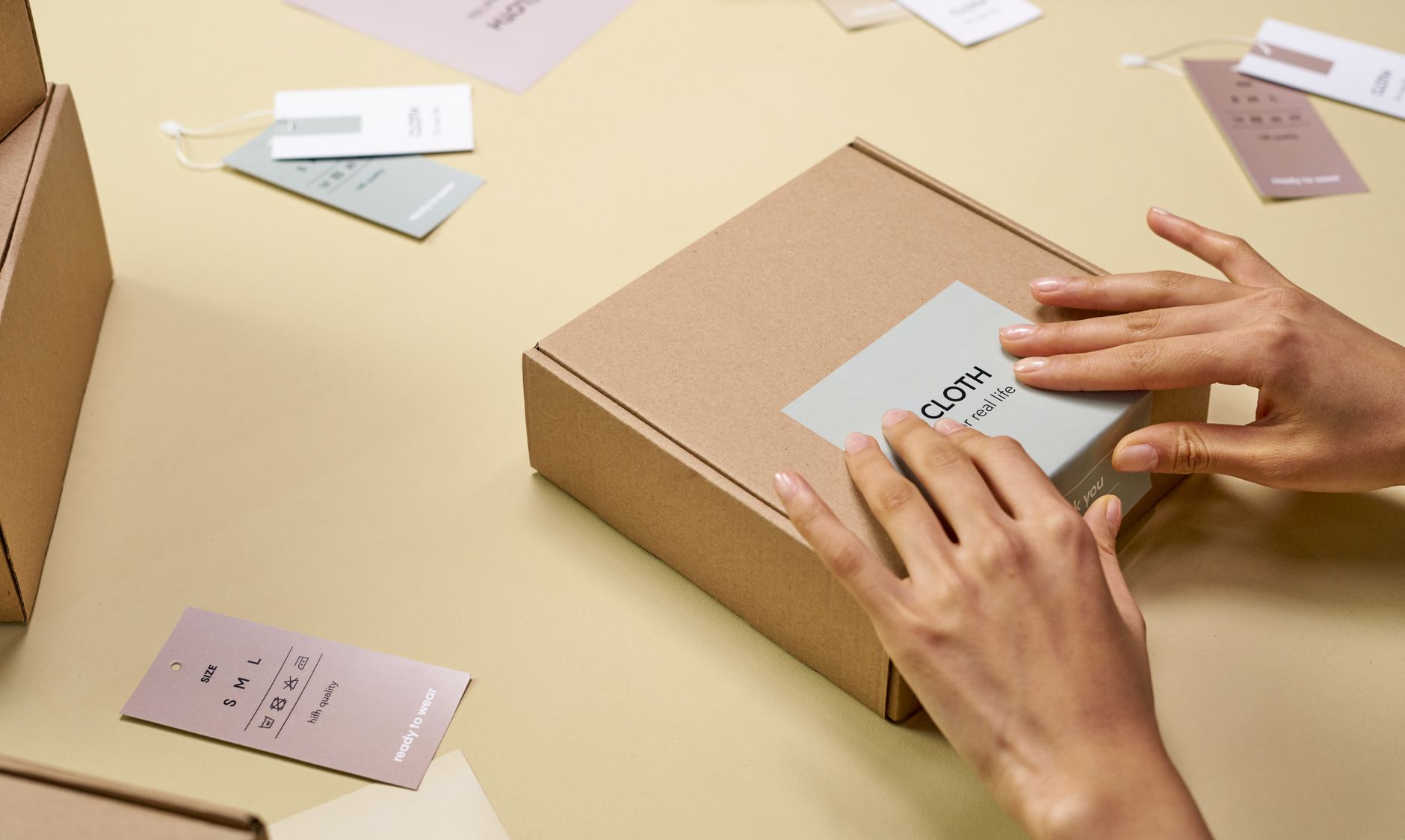
Design can shrink waste without hurting brand appeal. Minimalist structures use less material and reduce handling steps. Multi‑use containers invite customers to keep the package for storage or refills. Clever graphics turn a simple box into a brand story, making the package memorable even when it is small.
Supply chain approaches
A greener lifecycle starts with the people you work with. Partnering with local manufacturers shortens haul distances and lowers carbon intensity. Co‑creating specifications with suppliers ensures you receive consistent quality while keeping inventory lean. Transparent contracts let you trace the origin of each roll of paper or sheet of bio plastic.
Key categories at a glance
- Recycled paper and cardboard
- Plant fiber boards and bags
- Compostable bio plastics
- Reusable glass or metal containers
- Up‑cycled materials from local waste streams
These groups cover most needs for food, cosmetics, accessories and subscription boxes. Choose the one that fits your product’s protection requirements and your brand story.
Why should a small business prioritize each category?
Material selection matters for carbon footprint and cost
Choosing a material with low embodied energy reduces the overall carbon impact of every shipment. Recycled fibers usually require less water and energy than virgin pulp. When you buy locally you also avoid fuel costs associated with long hauls. Practitioners recommend comparing life cycle data rather than relying on marketing claims alone.
Minimalist designs often deliver stronger sustainability results
Fewer layers mean less waste and lower production time. A sleek box that folds from a single sheet can replace a molded clamshell that uses three different polymers. Customers also appreciate clean aesthetics; a simple look can reinforce a premium perception while staying green. Studies from design schools show that minimalist packaging often scores higher on brand recall.
Collaboration with vendors is essential for reliable sourcing
Suppliers who share your sustainability goals become extension of your team. They can help you navigate certifications, suggest alternate inks and advise on optimal run sizes. Consistent dialogue reduces the risk of stockouts and prevents last minute switches to less eco friendly options. When vendors understand your target metrics, they can proactively suggest improvements that keep costs in line.
By treating material, design and supply chain as interconnected pillars, a small business builds a resilient packaging system. The result is a clear story you can tell customers, backed by measurable impact and a stronger connection to the community.
What are the main categories of sustainable packaging for small businesses?
Material‑based options and how they differ
| Material | Typical Use | Decomposition Time | Cost Note |
|———-|————|——————–|———–|
| Recycled cardboard | Shipping boxes, product inserts | Breaks down in a few months in compost | Low cost when sourced locally |
| Plant based bioplastics | Bottle caps, thin film | 6‑12 months in industrial compost | Slightly higher price but carbon advantage |
| Reusable glass or metal | Cosmetics, specialty foods | Indefinite with proper care | Upfront investment pays back over cycles |
| Upcycled fabric | Clothing tags, tote bags | Returns to fiber pool after many washes | Often donated or reclaimed, minimal cost |
Practitioners suggest starting with the material that already exists in your supply chain. If you already receive cardboard pallets, converting that waste into product boxes can shave transport emissions dramatically. When you buy locally you also avoid fuel costs associated with long hauls.
Design‑focused strategies that cut waste without hurting brand appeal
Minimalist designs often deliver stronger sustainability results. Fewer layers mean less waste and lower production time. A sleek box that folds from a single sheet can replace a molded clamshell that uses three different polymers. Customers also appreciate clean aesthetics; a simple look can reinforce a premium perception while staying green. Studies from design schools show that minimalist packaging often scores higher on brand recall.
Supply‑chain approaches that support a greener packaging lifecycle
Collaboration with vendors is essential for reliable sourcing. Suppliers who share your sustainability goals become an extension of your team. They can help you navigate certifications, suggest alternate inks and advise on optimal run sizes. Consistent dialogue reduces the risk of stockouts and prevents last minute switches to less eco friendly options. When vendors understand your target metrics they can proactively suggest improvements that keep costs in line.
By treating material, design and supply chain as interconnected pillars, a small business builds a resilient packaging system. The result is a clear story you can tell customers, backed by measurable impact and a stronger connection to the community.
Why should a small business prioritize each category?
Material selection and its effect on carbon footprint and cost
Choosing a material that aligns with your product’s shelf life and transport requirements can lower emissions by up to ten percent, according to several lifecycle studies. Recycled fibers usually require less energy than virgin pulp, and a well‑chosen bioplastic can avoid the environmental impact of fast fashion packaging that often ends up in landfills.
Minimalist designs and stronger sustainability outcomes
Every extra layer adds weight, adhesive, and processing energy. Stripping back to a single‑sheet structure reduces these hidden costs and creates a visual cue that your brand cares about the planet. Simple designs also make it easier for consumers to understand how to recycle cosmetic packaging safely, reinforcing trust.
Vendor collaboration for reliable eco‑friendly stock
Suppliers who are already experimenting with low carbon inks or renewable adhesives can guide you toward solutions that meet both aesthetic and environmental goals. A partnership that includes regular performance reviews keeps the supply chain agile and avoids costly emergency switches.
How can a small business implement sustainable packaging step by step?
Assess your current packaging and spot quick wins
Start with a visual audit. Note every component – box, tape, label, inner cushion – and ask whether each piece adds value or can be eliminated. A quick win often appears in the form of excess filler that can be replaced with recyclable paper shreds.
Choose a material that balances durability, cost and environmental impact
Match the product’s protection needs with the material’s strength. For a light scented candle, a sturdy recycled cardboard sleeve may be enough, while a premium serum might need a reusable glass bottle. Use the table above as a reference point and request sample sheets from local mills.
Redesign for ease of recycling or reuse
Aim for a single material wherever possible. If a box uses both cardboard and a plastic window, consider swapping the window for a printed paper cutout. Clear instructions printed on the inside of the package can guide shoppers on how to recycle cosmetic packaging safely.
Work with suppliers to secure consistent eco friendly stock
Share your target launch date and volume forecasts with your vendor. Ask them to certify that the paper comes from certified forests and that any inks are soy based. Building a schedule that aligns with their production runs prevents last minute compromises.
Communicate changes to customers and measure brand response
Create a short “Why we changed” story for your website and social channels. Highlight the local sourcing, the reduced carbon footprint and the design simplicity. Track engagement through click‑through rates and ask customers for feedback in a post‑purchase survey.
What are the cost‑effective options that deliver measurable environmental benefits?
Low‑cost biodegradable alternatives for food and cosmetics
Corn starch film and cellulose‑based wraps break down without leaving microplastic residue. They work well for single‑serve snack packs and cream jars when paired with a water based sealant.
Reusable containers for subscription boxes and retail shipments
Sturdy tin or silicone loops can be cleaned and refilled many times. A cosmetics brand that introduced a refillable glass bottle saw a 30 percent reduction in packaging weight after one year of repeat orders.
Up‑cycled solutions sourced from local waste streams
Ask local textile recyclers if they have surplus fabric that can be turned into tote bags or inner sleeves. Turning a discarded billboard into a shipping label backing not only diverts waste but also tells a compelling brand story.
What metrics and tools help track the success of sustainable packaging?
Key performance indicators that reveal real environmental savings
- Carbon avoided per unit – calculate the difference between your new material’s emission factor and that of the previous option.
- Waste diversion rate – percentage of packaging that stays out of landfill.
- Customer reuse frequency – number of times a reusable container is returned for refilling.
Simple audit methods for ongoing improvement
A quarterly “packaging health check” can be done with a spreadsheet. List each component, its cost, weight and source, then score it on a three‑point scale for recyclability, renewability and local availability. Small adjustments each cycle add up to big impact over time.
Frequently Asked Questions
What is the difference between compostable and biodegradable packaging?
Compostable items break down in a compost facility within a set time frame and leave no toxic residue. Biodegradable products may degrade under the right conditions but can leave micro‑fragments if they end up in the ocean.
What common myths about sustainable packaging should small businesses avoid?
One myth is that “green” always means expensive. In many cases, using recycled material locally cuts both material and transportation costs. Another myth is that a fancy design automatically equals sustainability – simplicity often wins the waste battle.
What are the regulatory considerations for labeling eco friendly packaging?
Claims must be verifiable and not misleading. Look for guidance from the FTC Green Guides or your regional consumer protection agency. Certifications such as FSC for paper or BPI for bioplastics add credibility.
What steps can a business take if a chosen material proves unsuitable after launch?
First, collect data on the failure points – is it strength, moisture resistance or customer confusion? Then reach out to the supplier for a replacement or a blended alternative. Communicate transparently with customers and offer a return or exchange program while you transition.
What resources exist for small businesses seeking financial support for green packaging upgrades?
Local economic development offices often run grant programs for sustainability projects. In addition, some large retailers provide financing incentives for suppliers that meet eco criteria. Industry associations such as the Sustainable Packaging Coalition also list funding opportunities.
Ecobeautify writes from a personal perspective, sharing practical tips that make green living feel beautiful and attainable. Our guide aims to help you beautify the eco, one choice at a time. For more inspiration visit our site at https://ecobeautify.com.
Quick‑action summary
- Start with simple, reusable containers that already exist in your workflow.
- Test any new material on a small batch, track performance, and keep a log of any issues.
- Verify any sustainability claim against FTC Green Guides or your local consumer agency.
- Choose certified suppliers such as FSC for paper or BPI for bioplastics to add credibility.
- If a material fails, gather data, talk to the supplier, and offer a clear return or exchange for customers.
- Look for grant programs through local economic development offices and retailer financing incentives.
What are the regulatory considerations for labeling eco friendly packaging?
Claims must be truthful and backed by evidence. Follow the FTC Green Guides and check with regional consumer protection agencies. Adding certifications like FSC or BPI strengthens credibility.
How should a business respond when a chosen material proves unsuitable after launch?
Document the exact failure points such as strength or moisture resistance. Contact the supplier for a replacement or blended alternative and inform customers about the change. Offer a return or exchange while you transition to the new material.
Where can small businesses find financial support for green packaging upgrades?
Local economic development offices often run sustainability grant programs. Large retailers may provide financing incentives for suppliers that meet eco criteria. Industry groups like the Sustainable Packaging Coalition list additional funding opportunities.
How can I keep packaging simple yet effective?
Focus on materials that already serve multiple purposes in your operation. Reduce layers and avoid unnecessary decorative elements that add waste. Simple designs are easier for customers to understand and recycle.
What role do certifications play in building consumer trust?
Third‑party certifications validate that your packaging meets recognized environmental standards. They provide a quick visual cue for shoppers who look for responsible options. When combined with transparent communication, they boost brand credibility.
Ready to make your packaging both beautiful and responsible? Visit Ecobeautify for more hands‑on ideas and start turning sustainability into a daily habit.
Also Read: Fungsi Nyamuk dalam Ekosistem: Penting? Ga Nyangka!











Tinggalkan Balasan