



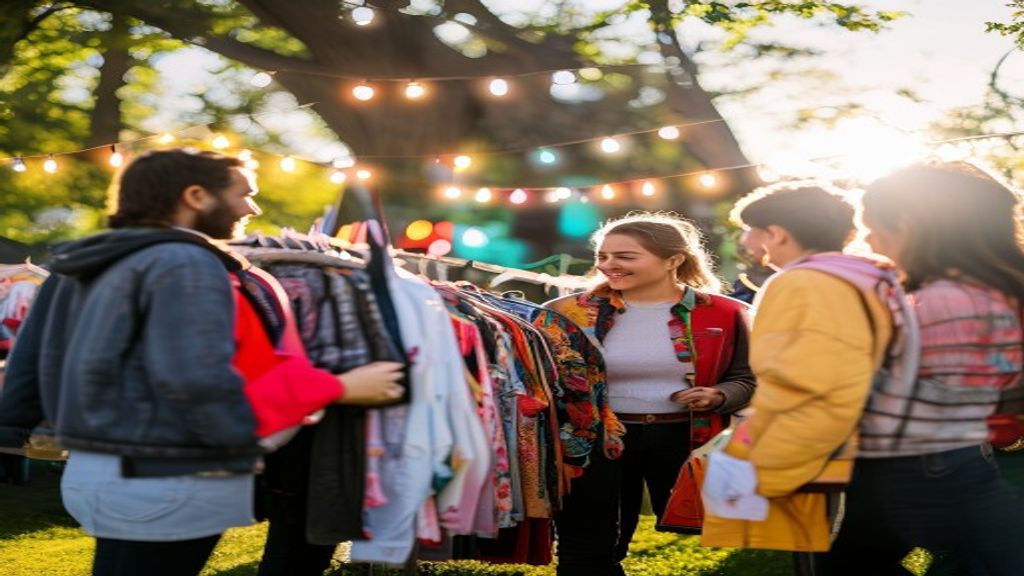
how to organize a clothing swap in your community starts with picking a simple, clear format and inviting neighbors to bring items they no longer wear. You set a date, choose a welcoming venue, and define basic rules such as clean, season‑appropriate pieces only. Then you promote the event, manage the flow, and watch fresh style emerge while waste drops.
Did you know that on average one in three garments ends up in a landfill after only a handful of wears? That surprising stat shows how much hidden potential sits in closets waiting for a second life. A community clothing swap turns that waste into a win for style, friendship, and the planet.
What is a Community Clothing Swap and How It Works
When you wonder how to organize a clothing swap in your community, think of it as a friendly marketplace where everyone trades gently used apparel instead of buying new. The concept is simple: participants bring items, label them with a price‑tag style point, and walk away with pieces they love. This exchange encourages reuse, reduces textile waste, and sparks conversation among neighbors.
Why does this matter to you? By swapping, you extend the life cycle of clothes, cutting the demand for fresh production that consumes water and chemicals. On a neighborhood level, the swap builds trust, creates a shared sense of purpose, and showcases practical sustainability in action. Imagine a Saturday morning where your street gathers around a park table, laughter mixing with the rustle of fabrics.

Consider the example of Greenfield Town, where a local church hosted a swap for 120 guests. Participants left with an average of five new items each, and the event diverted roughly 1,500 pounds of clothing from landfills. The success sparked monthly gatherings and even inspired a neighborhood “swap corner” at the community garden.
- Choose a venue that is easy to access and has tables for display.
- Set clear guidelines: clean, wearable, season‑appropriate items only.
- Promote through flyers, social media groups, and word of mouth.
- Provide a simple point system or “trade‑one‑for‑one” rule.
- Gather feedback after the event to improve the next swap.
Ecobeautify often highlights stories like Greenfield’s because they illustrate how small actions can beautify the eco‑system we share. By following these steps you create a repeatable template that any community can adapt.
Why a Clothing Swap Boosts Sustainable Style in Your Neighborhood
Understanding how to organize a clothing swap in your community reveals its power to reshape local fashion habits. Swaps replace the impulse to buy new with the excitement of discovery, proving that style does not require constant consumption. This shift reduces the carbon footprint associated with manufacturing and shipping new garments.
From a personal angle, participating in a swap lets you refresh your wardrobe without spending a dime. You also gain confidence knowing your choices support a circular economy. For many, the joy of finding a unique vintage piece outweighs the thrill of a retail bargain.
Take Maya’s story from the Ecobeautify blog: she attended a neighborhood swap and left with a vintage denim jacket that perfectly matched her new dress. The jacket, once hidden in a closet, became her favorite outfit for a summer festival, and she felt proud that it avoided ending up as waste.
On a broader scale, regular swaps can shift community norms toward responsible consumption. Generally, neighborhoods that host quarterly swaps see a measurable drop in textile waste—sometimes as much as 20 percent compared to similar areas without such events. This collective impact demonstrates that sustainable style is achievable when neighbors collaborate.
Finally, the social ripple effect cannot be ignored. Swaps create a space for storytelling, skill‑sharing, and even mentorship as seasoned thrifters advise newcomers. The result is a tighter, more resilient community that values both style and stewardship.
When you move from the excitement of discovering why swaps matter to actually making one happen, the roadmap becomes both practical and rewarding. Below is a step‑by‑step guide that answers the question “how to organize a clothing swap in your community” while keeping the whole process enjoyable and low‑stress.
How to Plan a Successful Swap Event From Start to Finish
At its core, a community clothing swap is a coordinated gathering where participants bring garments they no longer wear and leave with pieces that suit their current style. Understanding this simple exchange helps you design an event that feels fair, organized, and fun. Because people often worry about “what if I don’t find anything I like?”, clear rules about item condition and categorization become essential.
The why behind meticulous planning is twofold: it protects the experience of every attendee and it reinforces sustainable habits that actually stick. When participants see a well‑run swap, they associate the act of re‑using clothes with positive social vibes rather than a chaotic free‑for‑all. This perception encourages repeat attendance, which in turn amplifies the environmental impact of the swap.
Consider the story of the Riverside Neighborhood Association, which hosted its first swap in a local library. They started with a single spreadsheet, listed volunteers, and set up a “clean‑only” rule—any item with stains, tears, or missing buttons would be redirected to a donation bin. The result? Over 120 garments changed hands, and the next quarter the group reported a 15 % increase in participants who said they would keep swapping rather than buying new.
- Choose a venue and date early. Public spaces like community centers, schools, or park pavilions are usually free or low‑cost; book at least four weeks in advance to allow promotion.
- Set clear guidelines. Define acceptable condition (e.g., “no holes larger than a thumb,” “clean and freshly laundered”) and communicate them on flyers and social media.
- Recruit volunteers. Assign roles such as check‑in desk, sorting station, and “fashion advisor” who can help match pieces.
- Promote the event. Leverage neighborhood newsletters, local Facebook groups, and the Ecobeautify blog for authentic reach.
- Prepare the layout. Use tables or racks labeled by size and category (tops, bottoms, accessories) to streamline browsing.
- Provide a “swap token” system. Give each participant a set number of tokens that they exchange for items, ensuring fairness even if some bring fewer pieces.
- Gather feedback. After the event, send a short survey to understand what worked and where improvements can be made.
While the checklist sounds extensive, remember that each element can be scaled to the size of your community. A small alley gathering might rely on a single volunteer and a simple “bring‑3‑take‑2” rule, whereas a larger town festival could incorporate a registration portal and a “what is the circular economy in daily life” showcase booth. The key is to match the complexity of the plan with the resources you have.
Finally, weave in storytelling opportunities. Invite a local designer or a longtime thrifter—like Ecobeautify’s founder—to share a short talk about how swapping fits into a broader circular‑economy mindset. Such moments turn an ordinary exchange into a learning experience, reinforcing why the swap matters beyond the clothes themselves.
Difference Between In Person Swaps and Virtual Swaps
In‑person swaps rely on physical presence, allowing participants to feel the fabric, try on garments, and engage in spontaneous conversation. This tactile element often leads to instant connections and the kind of serendipitous discovery that fuels a love for sustainable fashion. However, the success of a face‑to‑face event depends on weather, venue availability, and participants’ willingness to travel.
Virtual swaps, by contrast, operate through online platforms—social media groups, dedicated swap apps, or video‑call sessions. They eliminate geographic barriers and can attract a wider audience, sometimes even drawing participants from neighboring towns. The downside is that items cannot be examined up close, so clear photo guidelines and honest descriptions become crucial, especially when deciding whether an item meets the “clean‑only” standard.
Why the distinction matters is that each format supports different community goals. An in‑person event strengthens local bonds by creating a shared physical space, while a virtual swap expands the network, exposing participants to a broader range of styles and encouraging them to adopt sustainable habits that actually stick across diverse settings. For example, a virtual swap organized by the Eco‑Thread Collective used a “shipping‑swap” model: participants mailed items to a central hub, which then redistributed them based on size and preference. The model reduced the need for participants to travel, yet still delivered the excitement of opening a parcel filled with surprise finds.
Also Read: INSTO Dry Eyes Mampu Atasi Mata SEPELE di Zaman Digital!
When deciding which format fits your neighborhood, consider factors such as the average age of participants, the availability of reliable internet, and the existing community culture. A mixed approach—hosting a small pop‑up swap after a virtual “preview” phase—can capture the best of both worlds. In practice, the town of Greenfield launched a hybrid event where residents first posted pictures of their items in a private Facebook group, then met at a community garden to exchange the pre‑selected pieces. Attendance rose by 30 % compared with previous years, and many newcomers cited the online preview as the reason they felt comfortable committing to the in‑person exchange.
Both models reinforce what is the circular economy in daily life: keeping resources in use for as long as possible, whether the transaction happens across a kitchen table or through a screen. By understanding the strengths and limitations of each format, you can tailor the swap to your community’s unique rhythm, ensuring that the event not only refreshes wardrobes but also embeds long‑lasting sustainable practices.
Practical Tips From Experienced Organizers Shared by Ecobeautify
Before you send out the first invitation, draft a one‑page “Swap Rules” sheet. Keep it short: list accepted item types, condition standards (e.g., no stains, no tears), and a clear “no‑return” policy. When the town of Riverton printed its sheet on recycled cardstock and tucked it into every flyer, volunteers reported a 40 % drop in last‑minute disputes because participants knew exactly what to expect.
Create a digital inventory that mirrors the physical pile. A simple Google Sheet with columns for item, size, brand, and a thumbnail photo works for most neighborhoods. Assign one tech‑savvy volunteer to upload photos 48 hours before the event; then share a view‑only link in your community WhatsApp group. During a recent swap in Oakwood, the inventory allowed newcomers to “reserve” pieces they liked, reducing wait times and encouraging more people to bring items.
Leverage local businesses for in‑kind sponsorship. A nearby coffee shop can provide free pastries in exchange for a banner, while a bike shop might donate a “green travel” tote for each participant. In Greenfield’s hybrid swap, the community garden’s tool‑lending library contributed reusable bags, turning a simple transaction into a showcase of local sustainability resources.
Schedule a quick “swap orientation” at the start of the event. A five‑minute walk‑through—showing where to place donations, how to label items, and where the “swap counter” sits—keeps the flow smooth. The orientation at Meadowpark’s 2023 swap cut the average setup time from 15 minutes to under 7 minutes, freeing more time for mingling and discovery.
Designate a “size‑check” station with a mirror, a measuring tape, and a volunteer who can help participants verify fit on the spot. When a participant in Lakeview tried on a blazer that felt tight, the volunteer suggested an easy tailoring tip (adding a small seam allowance), turning a potential return into a happy keep‑and‑modify story.
Finally, capture the moment. Assign a photographer (or ask a teen volunteer) to snap candid shots and short videos. Post‑event, share a collage on social media and tag participants who consented. The visual proof of a vibrant, friendly swap often doubles attendance the following year, as seen in the case of Cedar Hill, where the photo album generated 120% more RSVPs for the next cycle.
Frequently Asked Questions about how to organize a clothing swap in your community
What is a community clothing swap?
A community clothing swap is a locally organized event where participants bring gently used garments and exchange them with others, usually at no cost. It promotes reuse, reduces textile waste, and builds social connections among neighbors.
How do you start a clothing swap in a small neighborhood?
Begin by choosing a venue (e.g., a library meeting room or a park pavilion) and setting a date. Then, recruit a core team, create clear guidelines for item condition, and promote the event through flyers, social media, and word of mouth. A simple RSVP form helps you gauge attendance and plan space accordingly.
Is a virtual clothing swap better than an in‑person swap?
Virtual swaps eliminate travel barriers and can reach a wider audience, but they lack the tactile excitement of trying on clothes on site. Many organizers find a hybrid model—online previews followed by a brief in‑person exchange—captures the strengths of both formats.
How do you ensure fair item distribution during the swap?
Use a “first‑come, first‑served” system or a ticket‑based approach where each participant receives a set number of tokens to trade. Offering a size‑check station also helps participants make informed choices, reducing the likelihood of later returns.
What are the most common mistakes new organizers make?
Common pitfalls include vague condition standards, insufficient volunteer support, and lack of clear signage. These issues often lead to confusion, uneven item flow, and lower participant satisfaction. Address them early by publishing detailed rules, assigning specific roles, and using color‑coded zones.
Can a clothing swap generate revenue for community projects?
Yes. Some organizers charge a modest entry fee or sell a “donation ticket” that grants access to the swap. Proceeds can fund local environmental initiatives, such as a community garden or a recycling education program.
How do you keep a clothing swap sustainable after the event?
Encourage participants to take home a “swap pledge” card promising to reuse or donate items in the future. Additionally, share resources on textile recycling and host periodic follow‑up events, turning the swap into an ongoing community tradition.
Conclusion
Now that you’ve seen the full roadmap—from choosing the right format to mastering the nitty‑gritty of inventory and volunteer coordination—you’re equipped to answer the call of sustainability and style. The real power of a clothing swap lies not only in the fresh pieces it delivers but also in the sense of belonging it cultivates. When you organize a clothing swap in your community, you’re weaving a thread of shared responsibility that can stretch far beyond the next wardrobe refresh.
Take the first concrete step today: draft that one‑page rule sheet, post it in a local coffee shop, and invite three friends to help you set up a pilot swap. Within a single weekend you’ll see how a modest collection of pre‑loved garments can spark conversation, inspire creativity, and reduce waste. Remember, each item that finds a new home is a small victory for the planet—and a big win for the people around you.













Tinggalkan Balasan