




how to support local economies while traveling means directing the money you spend toward businesses that belong to the community you are visiting and choosing services that keep wealth inside that region. It means buying local food, staying in locally owned lodging, and hiring guides who are residents. In practice it turns every purchase into a small investment in the place you love.
Imagine you arrive in a bustling market town after a long flight. You are hungry, tired, and the first thing you see is a chain coffee shop glowing with familiar branding. You reach for the familiar menu, not knowing that a simple choice could keep money flowing to the people who live there.
How to Support Local Economies While Traveling: Definition and Core Benefits
Supporting local economies while traveling is about prioritizing locally owned businesses over multinational chains. It matters because local businesses typically reinvest a larger share of their earnings back into the community, creating jobs and preserving cultural heritage. For example, when you buy a handmade scarf from a town artisan, the profit often funds the workshop and supports the family that crafted it.
One core benefit is the ripple effect on public services. Generally, when residents have higher disposable income, they can contribute more to local schools, healthcare, and infrastructure. A traveler who dines at a family‑run restaurant indirectly helps keep the street lights on for the next generation.
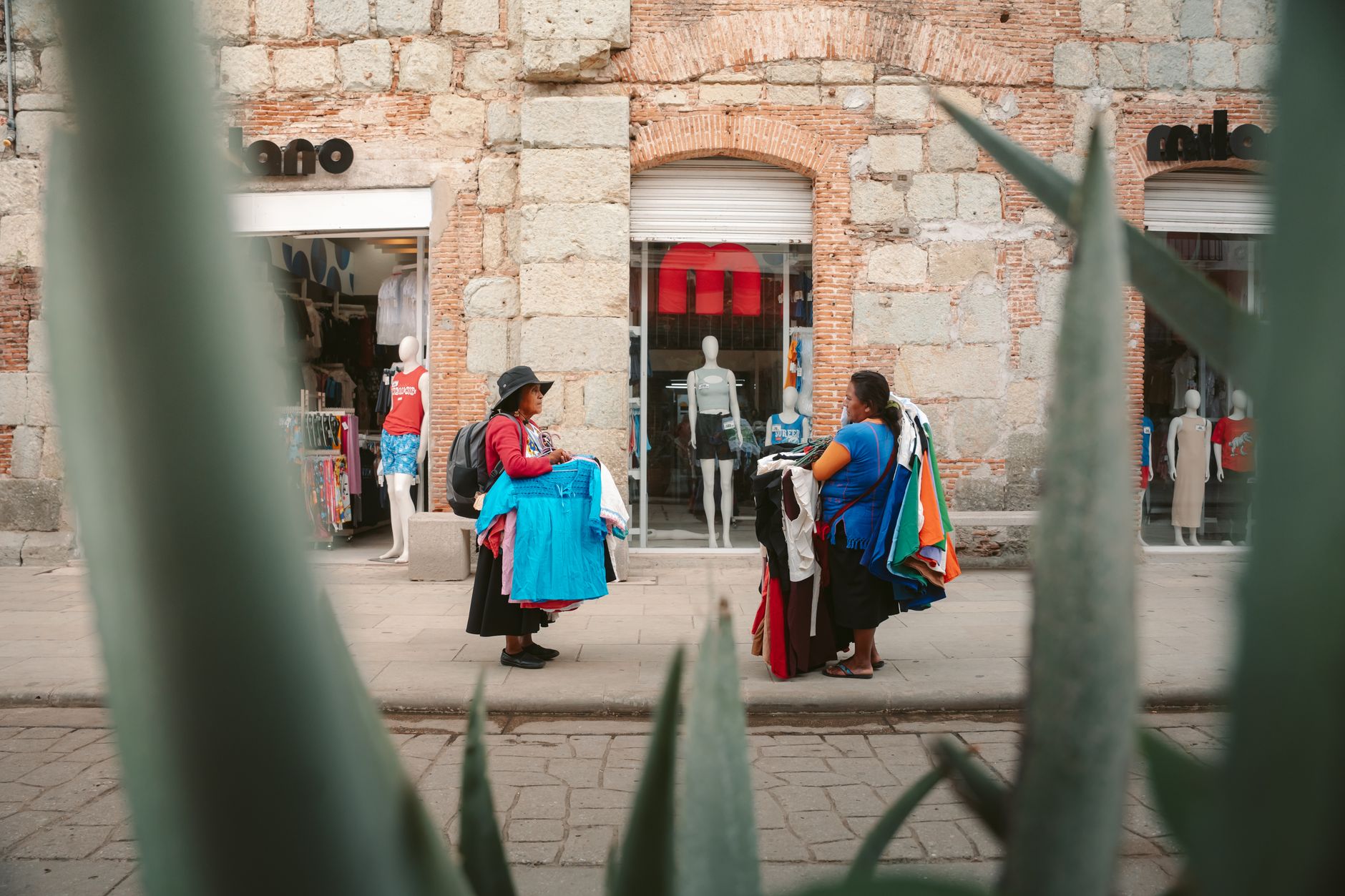
Another advantage is the enrichment of your travel experience. When you engage with a local baker, you hear stories about the recipe’s origin and taste flavors that tourists rarely encounter. That personal connection turns a simple meal into a memorable cultural lesson.
- Identify locally owned eateries, shops, and accommodations before you arrive.
- Choose experiences led by residents such as walking tours, cooking classes, or craft workshops.
- Ask locals for their favorite spots instead of relying on guidebook chains.
How to Choose Local Food and Drink That Actually Works
Choosing local food and drink that actually works starts with looking for places that source ingredients from nearby farms. This matters because farm‑to‑table practices reduce transportation emissions and keep agricultural income within the region. A diner in a coastal village that serves fish caught by local fishermen exemplifies this cycle.
Start by scanning menus for mentions of “farm fresh,” “locally sourced,” or the name of nearby towns. On average, establishments that highlight local sourcing see a higher proportion of repeat visitors, showing that authenticity resonates with travelers. When you sit at a rooftop café that showcases produce from a valley garden, you are tasting the season as the community does.
Ask the staff where their ingredients come from. Most proud owners will point you to the farmer or explain the story behind a spice blend. That conversation not only educates you but also builds trust that your money is supporting the right people.
Finally, embrace street food and market stalls that are run by residents. These vendors often operate on thin margins but rely on daily sales to sustain their families. By buying a bowl of soup from a stall where the cook greets you by name, you help preserve a culinary tradition that might otherwise disappear.
Having lingered over the flavors of a market‑side bowl of soup, the next question many travelers ask is where to spend the rest of their day. The answer isn’t just “the biggest landmark” – it’s about choosing experiences that keep money, culture, and pride within the community you’re visiting.
Difference Between Tourist‑Heavy Attractions and Community‑Focused Experiences
Tourist‑heavy attractions are places that draw large crowds because they’re featured in guidebooks, travel shows, or online itineraries. Think of a famous waterfall accessed by a chartered bus line or a museum whose ticket price funds a distant corporate office. Community‑focused experiences, on the other hand, are often tucked away behind a local’s recommendation: a neighborhood mural walk led by a resident artist, a sunrise hike organized by a family‑run eco‑tour company, or a traditional weaving workshop hosted in a village’s communal hall.
Why does the distinction matter? When you spend time (and money) at a community‑focused site, a larger slice of the revenue stays with the people who maintain the place. This “local multiplier effect” can mean the difference between a shopkeeper hiring an extra employee or closing its doors after a slow season. Moreover, community‑focused experiences tend to foster authentic cultural exchange, allowing visitors to learn the stories behind a craft rather than merely observing a staged performance.
Consider two coastal towns that both boast stunning beaches. In Town A, a multinational cruise line runs daily tours, sells bottled water at a markup, and employs staff from abroad. In Town B, a cooperative of local fishermen offers guided snorkeling trips, provides reusable reef‑safe sunscreen, and serves seafood caught that morning. A traveler who chooses Town B not only enjoys clearer water but also supports families who depend on the reef’s health. Depending on the time of year—high‑season versus shoulder‑season—the impact can amplify; during peak months, local operators often see a 20‑30 % boost in income, whereas large‑scale operators simply spread the same profit across distant shareholders.
- Look for experiences marketed by residents rather than generic travel agencies.
- Check if the guide or host lives in the area and uses the income to sustain local livelihoods.
- Ask how proceeds are shared—does the activity fund community projects or simply cover costs?
When you pack your eco friendly travel essentials for tropical climates—such as reef‑safe sunscreen, a reusable water bottle, and biodegradable toiletries—you’re already signaling respect for the environment. Pair that mindset with a conscious choice of attractions, and you’re actively practicing how to support local economies while traveling.
Common Mistakes and How to Avoid Them
Even well‑meaning travelers can slip into habits that unintentionally drain local resources. One frequent error is assuming that any “local” product automatically benefits the community. In many tourist hubs, souvenir stalls sell mass‑produced items under a veneer of “hand‑crafted” branding, meaning the profit ends up with a distant corporation rather than the artisan.
Another pitfall is over‑relying on “eco‑tour” labels without checking their authenticity. Some operators tout green credentials while outsourcing guides or using fuel‑intensive transport, which negates the promised environmental and economic benefits. A third mistake is neglecting to negotiate or ask questions, especially when prices appear inflated for a short‑term experience. When travelers accept high fees without understanding where the money goes, they inadvertently reinforce pricing structures that favor middlemen.
Also Read: Eco Enzyme Adalah: Panduan Lengkap & Cara Membuatnya
Why do these missteps matter? They create a leakage effect where money bypasses the local economy, reducing the capacity for community development and eroding cultural preservation. For example, buying a t‑shirt from a chain store in a market may cost the same as a locally woven garment, but the latter often sustains a family’s income, preserves traditional techniques, and contributes to a vibrant local economy.
- Verify the origin of goods: look for maker names, production stories, or certifications.
- Ask tour operators about their staffing, transport, and profit distribution.
- Prefer cash‑less transactions only when they benefit the local vendor, not a third‑party platform.
The Ecobeautify blog frequently highlights these nuances, urging readers to pause and consider the ripple effect of each purchase. By swapping a generic souvenir for a locally crafted piece, or by choosing a community‑run kayak tour over a large‑scale adventure package, you transform a simple outing into a catalyst for stewardship. Incorporating thoughtful choices—like bringing eco friendly travel essentials for tropical climates that reduce waste—reinforces the habit of mindful spending. In doing so, you master how to support local economies while traveling, turning every step into a purposeful act of empowerment.
Practical Tips From Experienced Practitioners At Ecobeautify
Ecobeautify’s field team has spent years walking the streets of small towns, negotiating with artisans, and testing “green” travel hacks. Below are the exact steps they follow, so you can replicate the impact on your next trip.
- Map the micro‑economy before you arrive. Open a simple spreadsheet titled “Local Boost List.” In the first column, write the names of markets, farms, or co‑ops you’ve discovered on travel forums. In the second column, note the type of product or service each offers (e.g., “hand‑woven scarves – family‑run shop”). In the third column, add a contact phone number or Instagram handle. This visual cue forces you to choose locally every time you need a snack or a souvenir.
- Buy the “story, not the brand.” When you spot a beautifully crafted ceramic mug, ask the vendor who made it and how the process works. If the maker can point to a specific village or tell you the piece supports a women’s cooperative, purchase it. The extra minute of conversation turns a transaction into a direct investment in that family’s livelihood.
- Use “cash‑plus‑conversation” technique. Carry a modest amount of local currency for small stalls, but pair each payment with a brief question about the product’s origin. For example, “Is this honey harvested from nearby apiaries?” Vendors often share extra details—and you’ll avoid funneling money through third‑party platforms that keep a large cut.
- Prefer community‑owned tours over big‑agency packages. Search for “community‑led kayaking [city]” or “locally guided hike [region]” on social media. Book directly with the guide, who typically earns 70 % of the fee, compared with 30 % retained by a corporate office. A 2‑hour paddling session on a village river, therefore, puts more money into the host family’s school fund.
- Leave a “skill seed” instead of a tip. If you’re staying in a homestay, offer a short class (e.g., basic English pronunciation, yoga flow, or photo editing) that aligns with the host’s interests. This non‑monetary contribution can be just as valuable as cash, especially in remote areas where skills diversify income streams.
- Document and share responsibly. After a purchase, tag the maker in your social post and mention the specific technique used (e.g., “hand‑loomed ikat pattern”). This free marketing amplifies the vendor’s reach, turning a single buyer into a network of potential customers.
By following these concrete actions, you move from “tourist” to “partner,” and each choice becomes a measurable boost for the community you’re visiting. The habit of asking “who made this?” and “where does the money go?” is the most reliable way to master how to support local economies while traveling.
Frequently Asked Questions about how to support local economies while traveling
What is meant by “supporting local economies while traveling”?
It refers to deliberately directing your spending, time, and attention toward businesses and services owned by residents of the destination. The goal is to keep money, skills, and cultural exchange within the community rather than allowing profits to flow to multinational chains or distant shareholders.
How do you identify genuinely local vendors in a foreign market?
Look for signs such as a maker’s name, a family logo, or a story about the product’s origin. Vendors who can explain the production process, cite a specific village, or share a social‑media page are usually locally owned. Avoid stalls that display only corporate branding or that cannot answer basic questions about their goods.
Is buying souvenirs from a local market better than using online platforms like Amazon?
Yes. Purchasing directly from a market ensures the seller receives the full price, whereas online platforms often deduct a sizable commission and may ship products from overseas. The local purchase also reduces carbon emissions from long‑distance shipping and provides immediate economic feedback to the community.
How can travelers reduce the “middle‑man” effect when paying with credit cards?
Use cash for small purchases whenever possible, because cash passes straight to the vendor. If you must use a card, choose a payment processor that does not charge extra fees to the merchant, or ask the vendor if they can absorb the fee without raising the price. Some community‑run businesses even offer QR‑code payments that bypass large payment networks.
Are community‑led tours really more beneficial than large tour operators?
Typically, community‑led tours allocate a larger portion of the fee to local guides—often 60‑80 % versus 30‑40 % for big operators. This means more income stays in the area, supporting families, schools, and conservation projects. Additionally, these tours usually emphasize cultural immersion, giving travelers a richer experience.
What simple habit can travelers adopt to keep their impact positive every day?
Ask one “where does this come from?” question for each purchase or activity. This habit forces you to consider the supply chain, and it often leads to discovering hidden local gems. Over a week‑long trip, that single question can change dozens of transactions into direct community support.
Is it possible to support local economies while staying in a major city?
Absolutely. Even in large metros, neighborhoods have independent cafés, bookstores, and markets. Prioritize eateries that source ingredients from nearby farms, shop at farmer’s markets instead of supermarket chains, and attend events hosted by local cultural centers. These micro‑choices add up to a noticeable economic ripple.
Conclusion
Travel is a conversation between you and the places you visit. When each purchase, meal, and activity is framed as a question—“Who benefits?”—the dialogue shifts from passive observation to active partnership. By applying the practical tips from Ecobeautify, you transform ordinary moments into meaningful contributions that nurture local livelihoods, preserve traditions, and keep the destination thriving long after you leave.
Take the next step today: open a new tab, search for a community‑run tour in your upcoming destination, and add it to your itinerary. Pack a reusable tote, a handful of local cash, and a curiosity for stories. With each mindful decision, you’ll discover that supporting local economies while traveling isn’t a lofty ideal—it’s a series of small, intentional actions that together rewrite the narrative of tourism.
Ready to explore more resources and join a network of responsible travelers? Visit Ecobeautify for guides, tools, and community stories that keep your adventures both enriching and sustainable.













Tinggalkan Balasan