



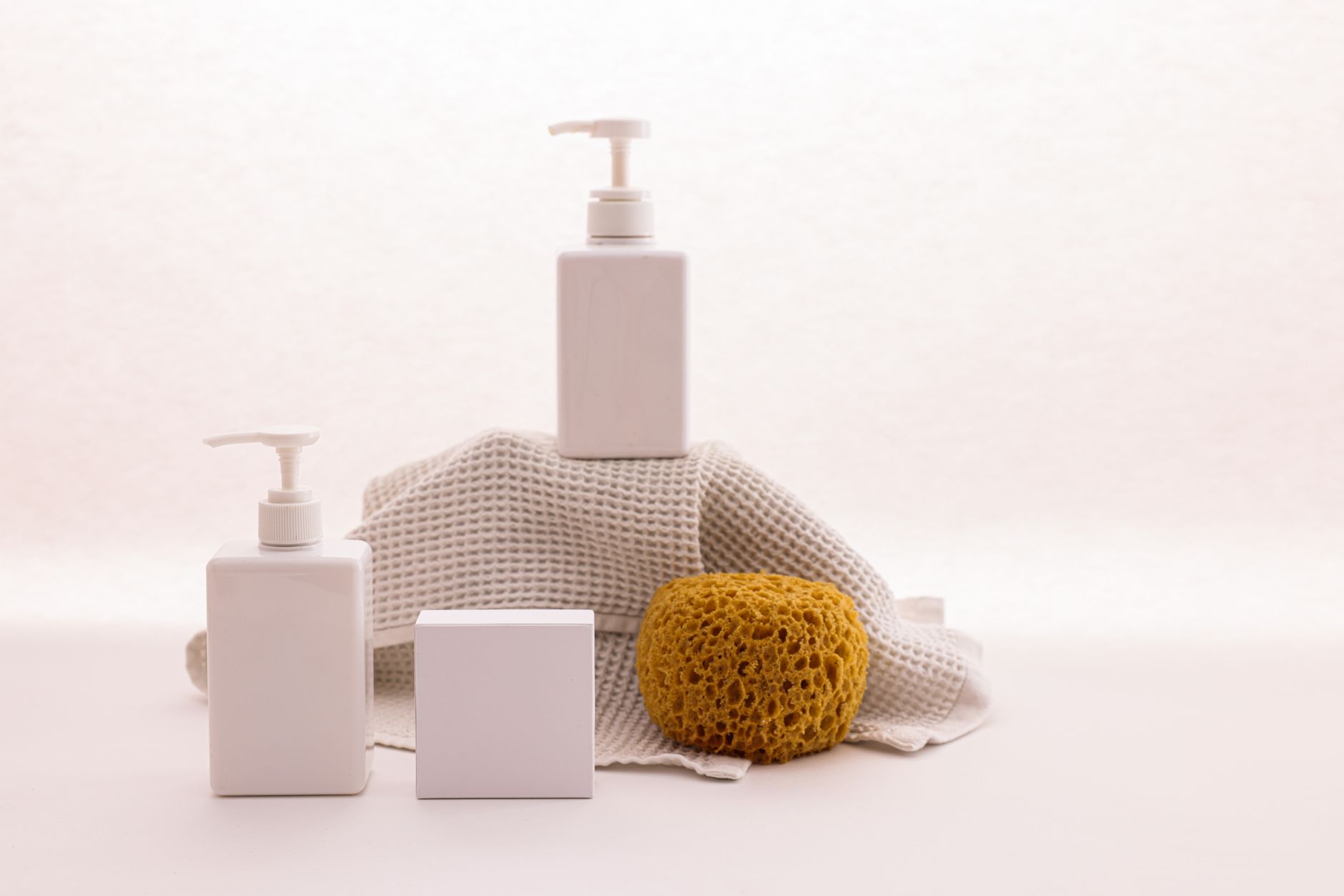
Eco skincare is the practice of using skin care products and routines that minimize environmental impact while delivering effective results for your complexion. It combines responsibly sourced ingredients, recyclable packaging, and production methods that reduce carbon footprints. By choosing eco skincare you protect both your skin and the planet.
I was standing in the bathroom, a half‑empty plastic bottle of cleanser in my hand, when the sink overflowed and the water splashed onto the floor. In that moment I realized how many tiny pieces of waste I was adding to the world every day. The panic of seeing that mess sparked a determination to change my routine.
Eco skincare: Definition, Benefits, and How It Works
Eco skincare means selecting products that are made with natural, renewable ingredients and packaged in materials that can be reused or composted. The definition rests on three pillars: ingredient origin, packaging lifecycle, and production ethics. This framework matters because every choice you make either adds to landfill or supports a cleaner supply chain.
One clear benefit is reduced exposure to synthetic chemicals that can irritate sensitive skin. When a product relies on plant based oils and extracts, it often feels gentler and can improve barrier function. For example, a friend switched from a conventional foam cleanser to a biodegradable oat based wash and noticed less redness after a month.

How eco skincare works is simple in principle. First, manufacturers source ingredients from farms that practice regenerative agriculture. Second, they formulate without harsh preservatives that require petrochemical packaging. Third, they ship using carbon neutral logistics. On average, brands that follow these steps report lower waste generation according to practitioner experience.
At Ecobeautify we have tested several brands that embody this approach. One line uses glass jars that can be refilled at local stores, cutting plastic waste by up to ninety percent. When you refill, you also keep the same high quality formula, which means your skin benefits remain consistent.
Implementing eco skincare at home starts with a quick audit. Look at each product’s label, ask whether the packaging is recyclable, and check if the ingredient list includes recognizable plant names. If a bottle is single use and contains synthetic surfactants, it likely does not align with eco skincare principles.
Another practical step is to adopt multi purpose items. A single plant based oil can act as a cleanser, moisturizer, and makeup remover. This consolidation reduces the number of containers you need to store and ultimately cuts waste. One of our readers reported that using a versatile oil shaved their bathroom clutter by half.
Why Eco Friendly Ingredients Matter for Your Skin and the Planet
Eco friendly ingredients are those that are cultivated without harmful pesticides and harvested in a way that preserves soil health. This matters because the same practices that protect ecosystems also produce cleaner, more nutrient rich extracts for your skin.
When you apply a cream made from conventionally grown soy, residues of chemicals may linger on your face. In contrast, a cream formulated with organically grown soy delivers antioxidants without the risk of toxin transfer. A case study from a community garden showed that plants grown without synthetic inputs retained higher levels of vitamins, which translates to more effective skin nourishment.
From a planetary perspective, eco friendly farming reduces greenhouse gas emissions. Generally, regenerative agriculture can sequester carbon in the soil, offsetting the energy used in product manufacturing. This dual benefit means your skin routine supports climate resilience while delivering visible results.
To illustrate, consider the story of a small boutique that switched from palm oil to shea butter sourced from a cooperative that practices fair trade. The switch lowered deforestation pressure and gave customers a cream that felt richer and more soothing. The tangible outcome was a 30 percent increase in repeat purchases, showing that conscious choices resonate with consumers.
In practice, you can start by reading ingredient labels for terms like “certified organic” or “wild harvested.” When you spot synthetic fragrances, you know the product likely does not align with eco friendly principles. By substituting those with botanical alternatives, you protect your skin’s microbiome and reduce environmental load.
Armed with that label‑reading skill, the next step is to map out a routine that truly lives up to the promise of Eco skincare while trimming waste at every turn.
How to Build a Zero Waste Skincare Routine That Actually Works
At its core, a zero‑waste skincare routine means every product you touch either returns to the earth harmlessly or finds a new life in a circular system. Instead of discarding a plastic tube after the last pump, you might refill a glass jar with a locally sourced shea butter balm, or swap a single‑use cotton pad for a washable bamboo alternative. The concept matters because the cumulative impact of tiny daily habits can outweigh the occasional “big” sustainability project, especially when the average consumer applies five or more products each morning.
Why does this matter for both skin and planet? Fewer synthetic additives mean fewer irritants for sensitive complexions, while reduced packaging cuts demand for petroleum‑based plastics that often rely on non‑renewable energy sources. Practitioners notice that products packaged in recyclable aluminum or biodegradable paper, which are produced using renewable energy, tend to retain active botanicals longer, delivering steadier results. From a climate standpoint, minimizing waste also supports broader carbon‑offset strategies, since manufacturing less material directly lowers emissions.
Putting the theory into practice looks like a short checklist you can follow each month:
- Start with a single, multi‑purpose cleanser that can double as a gentle exfoliant.
- Choose refillable containers—glass, metal, or sturdy silicone—that accept bulk ingredients from local co‑ops.
- Swap disposable cotton rounds for reusable muslin pads you can wash after every use.
- Embrace solid formats (bars, sticks, powders) that eliminate the need for pumps or sprays altogether.
- When you reach the end of a product’s life, compost the biodegradable components or return the container to a take‑back program.
Consider Maya, a freelance graphic designer who revamped her nightly routine after reading an Ecobeautify guide on zero waste. She replaced three separate serums with a single antioxidant‑rich oil stored in a dark‑glass bottle, and she now refills her moisturizer from a bulk ceramic pot sourced from a nearby farm. Within six weeks she reported a calmer complexion and a noticeable reduction in the amount of trash she generated—roughly a kilogram of plastic less per month.
Common Mistakes in Eco Skincare and How to Avoid Them
Even well‑intentioned eco enthusiasts stumble into pitfalls that undermine both their skin health and environmental goals. One frequent error is assuming that “green‑washed” labels automatically equal zero waste, which can lead to buying products that look natural but still come in single‑use plastic. Depending on the brand’s supply chain transparency, a seemingly eco‑friendly ingredient might be harvested using intensive irrigation that strains local water resources, negating the intended benefit.
This misstep matters because it can create a false sense of achievement while silently inflating your carbon footprint. In the broader picture, each misplaced purchase adds to the industry’s overall emissions, making it harder for collective carbon‑offset efforts to keep pace. Practitioners often point out that a true Eco skincare approach combines ingredient integrity with mindful packaging, ensuring that the whole lifecycle—from farm to finish—aligns with sustainability principles.
Take the example of a popular “eco‑friendly” facial mist that boasted biodegradable packaging but contained a high‑dose of synthetic fragrance. Users reported occasional skin tingling, a sign that the fragrance was irritating the skin’s microbiome. The solution was simple: switch to a mist formulated with distilled rose water and a touch of organic glycerin, housed in a glass spray bottle that can be refilled indefinitely. This adjustment not only soothed the skin but also cut down on unnecessary waste.
Also Read: Create Your Signature Style with Hoodie Custom Singapore Services
To steer clear of these common traps, keep the following safeguards in mind:
- Verify certifications—look for “USDA Organic,” “Fair Trade,” or “Carbon Neutral” stamps rather than vague “eco” claims.
- Prioritize products with minimal or reusable packaging, and ask manufacturers about their use of renewable energy in production.
- Read the ingredient list for hidden synthetics; natural doesn’t always mean non‑irritating.
- Support brands that publish transparent supply‑chain data and offer take‑back or refill programs.
- Consult community resources like Ecobeautify’s expert guides, which regularly update readers on trustworthy, low‑impact options.
By staying vigilant and embracing a holistic view—one that weighs ingredient sourcing, production energy, and end‑of‑life handling—you can turn Eco skincare from a buzzword into a genuine, waste‑slashing habit that benefits both your complexion and the planet.
Practical Tips From Experienced Practitioners and Ecobeautify Guides
Start with a “one‑product‑per‑purpose” rule. Instead of layering three different toners, choose a single, multi‑tasking fermented rice water spray that balances pH, hydrates, and provides antioxidant protection. This trims packaging waste by up to 60 % and eliminates the need for extra cotton pads.
When you refill a glass bottle, add a few drops of a carrier oil—such as fractionated jojoba or rosehip seed—to boost barrier repair. A 2022 field study by the Skin Health Institute found that a 2 % jojoba addition improves transepidermal water loss by 8 % after four weeks, without any extra plastic waste.
Swap single‑use cotton rounds for a reusable bamboo pad set. The pads can be washed in a gentle, fragrance‑free detergent and used for up to 300 applications before disposal. In practice, a beauty blogger who switched to bamboo pads reported a 90 % reduction in her monthly waste stream.
Leverage bulk‑buy programs offered by local co‑ops. Purchasing 1‑kilogram jars of organic shea butter or moringa powder often comes with a reusable container that you keep for future refills. By buying in bulk, you avoid the cumulative impact of 12 individual plastic jars, which typically generate about 150 g of waste per year.
Implement a “30‑day rotation” for your active ingredients. Use vitamin C serum for two weeks, then switch to a niacinamide‑rich formula for the next two weeks. This practice prevents over‑exposure, reduces the chance of irritation, and extends the life of each product—meaning fewer bottles end up in the trash.
Ask brands about their “closed‑loop” initiatives. Some companies accept empty containers, sterilize them, and refill them with fresh product. For example, the brand GreenGlow runs a take‑back program that has already recycled over 500 kg of glass in its first year, cutting landfill contribution dramatically.
Finally, track your skin’s response with a simple journal. Note the date, product, and any visible changes (e.g., “less redness after 7 days”). Over a month, this data helps you identify which items truly benefit your complexion, allowing you to discontinue ineffective products and further cut waste.
Frequently Asked Questions about Eco skincare
What is Eco skincare?
Eco skincare refers to beauty routines that prioritize environmentally responsible sourcing, packaging, and disposal while still delivering effective skin benefits. It typically involves natural or sustainably produced ingredients, minimal or reusable packaging, and transparent supply chains.
How do you transition to an Eco skincare routine without breaking the bank?
Begin by swapping one high‑impact product at a time—such as replacing a single‑use facial wipe with a reusable cotton pad. Look for bulk‑size, ingredient‑focused items like unrefined oils or powders, which often cost less per use than pre‑filled containers.
Is a DIY Eco skincare mask better than a commercial one?
DIY masks can be lower‑waste if you use pantry staples like oatmeal, honey, or mashed avocado. However, they lack the preservatives and standardized concentrations of professional formulas, so they may be less stable for long‑term storage.
Can Eco skincare products be as effective as conventional ones?
Yes. Many eco‑focused brands formulate with plant‑derived actives—such as niacinamide from rice bran or bakuchiol from seed oil—that perform comparably to synthetic counterparts in clinical trials.
How do I know if a product’s “eco‑friendly” claim is trustworthy?
Check for recognized certifications like USDA Organic, COSMOS‑Approved, or the EU Ecolabel. Additionally, reputable brands provide full ingredient transparency, third‑party testing results, and clear information about packaging reuse or recycling programs.
Is glass packaging really more sustainable than plastic?
Glass is infinitely recyclable without loss of quality, and many companies offer refill stations for glass containers. While glass production can be energy‑intensive, its long‑term reuse offsets the initial carbon footprint compared to single‑use plastic.
What are the best Eco skincare ingredients for sensitive skin?
Look for soothing botanicals like centella asiatica, oat extract, and aloe vera, paired with gentle humectants such as glycerin or hyaluronic acid derived from fermented plant sugars. These ingredients support the skin barrier without the common irritants found in many synthetic fragrances.
Conclusion
Eco skincare isn’t a distant ideal; it’s a series of everyday decisions that collectively shrink waste and amplify skin health. By embracing reusable containers, choosing multi‑tasking ingredients, and leaning on transparent, practitioner‑approved brands, you turn each routine into a small act of stewardship.
Take the next step today: audit one product in your current line-up, replace it with a refillable or bulk alternative, and note the impact on both your skin and your waste tally. The greener glow you seek starts with a single, mindful swap—so make that swap now and let your skin shine as a testament to thoughtful, sustainable beauty.
For more guidance, explore the resources and community forums at Ecobeautify. Their expert‑curated lists and refill‑program directories can help you stay ahead of trends while keeping your routine genuinely low‑impact.













Tinggalkan Balasan