

difference between vegan and cruelty free makeup is that vegan describes products that contain no animal derived ingredients, while cruelty free describes products that were never tested on animals. Both labels can appear together but they address separate ethical concerns. Knowing the distinction lets you choose products that match both your skin values and your moral compass.
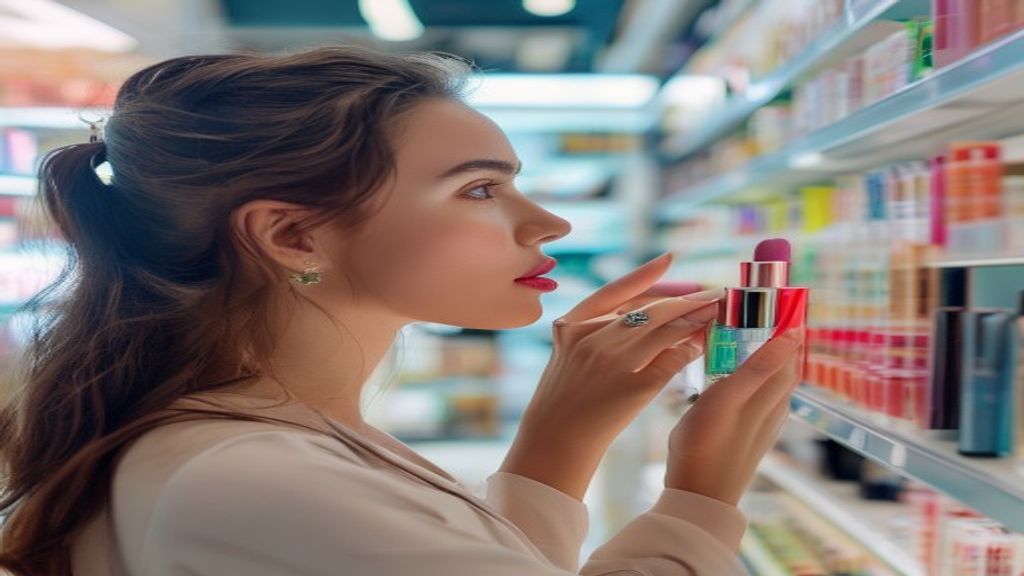
Imagine you are standing in the cosmetics aisle, palette in hand, feeling a flutter of excitement. You glance at the front of the bottle and see “cruelty free” printed in bright letters. A quick breath later you wonder if that also means the cream is free of any animal ingredients. The confusion lingers as you try to remember whether your friend mentioned “vegan” as the true green standard. You leave the store with a half‑filled cart and a lingering doubt about the impact of your purchase.
What the difference between vegan and cruelty free makeup means
First, let’s untangle the two terms. Vegan focuses on the source of every ingredient. If a lipstick contains beeswax, carmine or lanolin, it fails the vegan test regardless of how it was tested. Cruelty free, on the other hand, looks at the testing pathway. A brand may never touch a rabbit or a mouse in the lab, yet still use animal derived waxes in its formula.
Why does this matter to you? Your skin reacts differently to plant oils versus animal fats, and your conscience reacts to the story behind each component. When you know the difference, you can avoid unexpected breakouts and align purchases with your ethical standards. It also helps you communicate clearly with friends who share similar concerns.

Consider a real world scenario. You love a buttery smooth foundation that glides on like a dream. The label proudly states “cruelty free”. A deeper look reveals the presence of cetyl alcohol, a fatty alcohol derived from whale oil in some regions. Because the product is not vegan, your skin may receive a hidden animal protein that could trigger a reaction, especially if you have a sensitive complexion.
- Beeswax – a common thickening agent in lip balms.
- Carmine – the red pigment sourced from cochineal insects.
- Lanolin – a wool grease used in many moisturizers.
- Keratin – often extracted from feathers for hair serums.
When you scan the ingredient list, look for these names. If you see any, the product is not vegan even if the front of the package says cruelty free. Many brands now include a small “V” or “Vegan” badge to make the search easier. Spotting the badge can save you from a costly mistake and keep your routine aligned with your values.
Why the ingredient source matters for your skin and conscience
The origin of each component can influence how your skin feels and reacts. Plant based oils such as jojoba or argan tend to be lighter and less likely to clog pores. Animal derived fats, by contrast, can be heavier and sometimes carry residual hormones that sensitise the skin. On average, practitioners notice that users with acne prone skin report fewer flare ups when switching to fully vegan formulas.
Your conscience also plays a subtle role in daily confidence. Knowing that no animal was harmed or harvested for the product you wear can lift a weight off your mind. This mental ease often translates into a brighter demeanor, which many readers of Ecobeautify share as part of their green beauty journey. When you feel good about a product, you are more likely to wear it with pride.
Take the example of a popular eyeshadow palette that advertises cruelty free testing. The palette contains a shimmer derived from mica that has been processed using animal based binding agents. A vegan alternative uses plant cellulose to hold the pigment in place. Both palettes perform equally well, but the latter respects both animal welfare and ingredient purity, giving you a clear choice.
Based on practitioner experience, consumers who prioritize ingredient source tend to stick with a brand longer. They report feeling a stronger connection to the brand’s mission and are more willing to recommend it to friends. This loyalty loop benefits both the consumer and the company, creating a market where ethical transparency thrives.
Ecobeautify often highlights brands that manage to check both boxes. When you read our reviews, you will see a focus on products that are both vegan and cruelty free, because we believe the best beauty routine honors the planet, the animals, and your skin. By following these guidelines, you can curate a makeup bag that feels as clean as your conscience.
With that foundation in place, let’s dig deeper into what the difference between vegan and cruelty‑free makeup really means for your everyday beauty routine.
What the difference between vegan and cruelty free makeup means
At first glance “vegan” and “cruelty‑free” can feel like interchangeable buzzwords, but they address distinct aspects of a product’s life cycle. “Vegan” tells you that no animal‑derived ingredients—such as beeswax, lanolin, or carmine—are present in the formula. “Cruelty‑free” signals that the brand has not tested the product on animals, either in‑house or through third‑party labs.
Why does this matter? If you’re avoiding animal ingredients for ethical, health, or allergy reasons, a cruelty‑free seal alone won’t guarantee compliance. Conversely, a vegan label without a cruelty‑free claim could hide animal testing practices that conflict with your values.
Consider two liquid foundations: one carries a vegan certification but lists “tested on rabbits” in its fine print; the other is certified cruelty‑free but includes a dash of silk protein. Both will sit on your vanity, yet only the first respects the vegan principle, while the second upholds animal‑testing ethics. Spotting the difference between vegan and cruelty‑free makeup lets you align each purchase with the exact priority that matters to you.
Why the ingredient source matters for your skin and conscience
The source of each ingredient shapes how your skin reacts and how your conscience feels at night. Plant‑based pigments, for example, tend to be lighter on sensitive complexions, reducing the risk of irritation that can arise from animal‑derived proteins. Moreover, many animal‑based components carry trace hormones that, while usually harmless, can trigger sensitivities for some users.
From a moral standpoint, knowing that every hue comes from renewable crops rather than animal by‑products adds a layer of satisfaction. Practitioners often recommend checking the ingredient list when you have eczema or rosacea, because a vegan formula may be less likely to provoke flare‑ups.
Take the case of a mascara that uses beeswax to achieve curl. A vegan alternative swaps in plant‑based waxes like candelilla, delivering the same hold without the bee‑derived element. The switch not only steadies your skin’s response but also aligns with a conscience that values both animal welfare and eco‑friendly sourcing—key considerations when you ask “what is eco effective skincare?”
How certification processes differ and what to look for on a label
Certification bodies create the safety net that lets shoppers trust a claim. The Leaping Bunny program, for instance, audits manufacturers for animal‑testing policies and issues a globally recognized cruelty‑free logo. The Vegan Society, on the other hand, verifies that a product contains no animal ingredients and awards a distinct V‑label.
Why should you care? A logo is only as reliable as the audit behind it. Some brands self‑declare “cruelty‑free” without third‑party verification, leaving room for loopholes like “not tested on animals in our own labs, but we haven’t ruled out contracted testing.” Certified seals cut through that ambiguity.
When you scan a product, keep an eye out for these markers:
- Leaping Bunny or PETA “Cruelty‑Free” emblem – indicates no animal testing at any stage.
- Vegan Society “V” logo – confirms zero animal‑derived ingredients.
- Ingredient list phrasing such as “plant‑based” or “synthetic” – often accompanies vegan certifications.
By matching the seal to your priority, you can confidently navigate the shelf without second‑guessing the brand’s integrity.
Also Read: Perjalanan Inspiratif Santoso: Dari Musisi Jalanan Hingga Panggung Internasional
Common misconceptions that mix vegan and cruelty free claims
A frequent myth is that “cruelty‑free” automatically means “vegan.” In reality, many cruelty‑free products still rely on animal‑derived ingredients for texture or color, which can be a surprise for consumers who assume the two are synonymous. Another misconception is that “vegan” guarantees a cruelty‑free supply chain; the opposite can happen when a vegan brand outsources testing to labs that still perform animal studies.
Why does untangling these myths matter? Misreading a label can lead to unintended support of practices you’d rather avoid, whether that’s animal ingredient sourcing or animal testing. It also clouds the conversation about environmental impact, since animal‑based ingredients typically have higher carbon footprints than their plant‑based counterparts.
Imagine picking up a lipstick advertised as “vegan‑approved” because it contains no animal fats, yet discovering the brand’s certification partner still conducts rabbit skin irritation tests. The product satisfies the ingredient question but fails the ethical testing one, illustrating how mixed claims can mislead even the most diligent shopper.
Practical tips from seasoned green beauty enthusiasts
Seasoned green‑beauty fans have turned the learning curve into a routine, and their hacks can shortcut your research. First, create a cheat sheet of the most common vegan and cruelty‑free symbols; keep it on your phone for quick reference while you browse. Second, lean on community reviews—forums and blogs often flag products that falsely claim both attributes.
Why these steps work is simple: they reduce decision fatigue and protect you from green‑washing. A third tip is to batch‑shop: buy a starter set of products that meet both standards, then plug in additional items as you discover new brands. This approach also aligns with “easy zero waste swaps for beginners,” because bulk purchasing often means less packaging waste.
- Start with a vegan, cruelty‑free primer—you’ll notice a smoother base and feel confident about the ingredient purity.
- Swap out traditional makeup remover pads for reusable cotton rounds; they’re gentle on skin and cut down on landfill waste.
- When a brand launches a new shade, check the ingredient list before the hype takes over; a quick glance can save you from hidden animal derivatives.
These practices let you build a collection that feels responsible, stylish, and sustainable.
Frequently Asked Questions about vegan versus cruelty free makeup
Q: Can a product be vegan but not cruelty‑free? Yes. Vegan status only addresses ingredient origin; a brand could still test the finished product on animals via third parties.
Q: Is cruelty‑free always better for the environment? Not necessarily. Some cruelty‑free formulas contain animal‑derived ingredients that have higher ecological footprints than plant alternatives, so the “difference between vegan and cruelty free makeup” still matters for sustainability.
Q: Do certifications guarantee that a product is 100 % vegan? Certified vegan logos aim for that standard, but occasional cross‑contamination can occur, especially in shared manufacturing facilities. Reading the full ingredient list adds an extra layer of assurance.
Q: How can I verify a brand’s claims? Look for third‑party audit logos, check the brand’s transparency page, and consult trusted green‑beauty resources such as Ecobeautify, which often publishes detailed breakdowns of ingredient sourcing and testing policies.
Take the next step with Ecobeautify and make a mindful beauty choice
Ecobeautify’s mission—to beautify the eco, one choice at a time—means we curate guides that help you spot the subtle but important distinction between vegan and cruelty‑free makeup. By following the tips above, you’ll move beyond surface‑level labels and make purchases that truly reflect your values. Dive into our latest reviews, explore easy zero waste swaps for beginners, and discover what is eco effective skincare for your unique complexion.
Now that you’ve untangled the nuance behind the difference between vegan and cruelty‑free makeup, it’s time to turn knowledge into action. The next few sections give you concrete steps you can take today, plus quick answers to the most common questions that pop up when you start shopping with a conscience.
Practical tips from seasoned green‑beauty enthusiasts
- Build a label cheat‑sheet. Write down the three icons you look for: the certified vegan leaf, the cruelty‑free bunny, and the ingredient‑source note (e.g., “no animal‑derived”). Keep the sheet on your vanity so you can glance at it while you’re applying or before you click “add to cart.”
- Scan before you buy. Use the “CodeCheck” or “Think Dirty” app to read barcodes in the aisle. The app will flag any animal‑derived ingredients and tell you whether the brand’s cruelty‑free policy is backed by a third‑party audit. A single scan can save you from purchasing a product that looks “green” but isn’t truly vegan.
- Swap one product per month. Start with the easiest category—often mascara or lipstick. Replace your old mascara with a vegan, cruelty‑free alternative such as Ilia’s Cleanline Mascara, which uses plant‑based waxes and is certified by PETA. By the end of the year you’ll have a fully‑aligned routine without feeling the pinch of a massive price tag.
- Choose refillable or bulk options. Many brands now sell foundation in recyclable refill pods. Buying a refill reduces packaging waste and lets you stay consistent with vegan ingredients, because the base formula stays the same while the packaging is refreshed.
- Support transparent supply chains. When a brand publishes a detailed ingredient sourcing page (like Ecobeautify’s “Ingredient Transparency Report”), you can verify that no hidden animal derivatives sneak in. Follow those brands on social media; they often announce new vegan launches before they hit mainstream retailers.
- Test for skin compatibility. Even the most ethically produced makeup can irritate sensitive skin. Patch‑test a new foundation on the inside of your wrist for 48 hours before committing the full face. This small step ensures your conscience‑driven purchase also respects your skin’s health.
Frequently Asked Questions about vegan versus cruelty free makeup
What is the difference between vegan and cruelty‑free makeup?
Vegan makeup contains no animal‑derived ingredients (like beeswax or carmine), while cruelty‑free makeup means the product was never tested on animals. A product can be cruelty‑free but still include animal‑based components, which is why the distinction matters.
How do I identify vegan makeup on a product label?
Look for a certified vegan logo (often a leaf or “Vegan Society” symbol) and read the ingredient list for animal‑derived terms such as “lanolin,” “collagen,” or “squalane derived from shark liver.” If the label provides a “vegan” claim without certification, cross‑check the ingredients online.
Is cruelty‑free makeup always better for the environment than vegan makeup?
Not always. Some cruelty‑free formulas rely on animal‑based ingredients that have high ecological footprints (e.g., palm‑derived squalane from endangered species). Vegan alternatives often use plant‑based oils that require less land and water, making them a greener choice in many cases.
Are there vegan makeup brands that are also certified cruelty‑free?
Yes. Brands like Milk Makeup, Bite Beauty, and The Ordinary carry both the vegan leaf and the cruelty‑free bunny logos. Checking both certifications on the packaging ensures you meet both ethical criteria.
How can I avoid cross‑contamination if I want 100 % vegan products?
Choose brands that manufacture vegan lines in dedicated facilities or provide a “no‑cross‑contamination” statement. Some companies, such as Too Faced, disclose that their vegan products are produced on equipment exclusively for vegan lines, reducing the risk of accidental animal‑derived residues.
Is vegan makeup more expensive than cruelty‑free makeup?
Vegan products can be slightly pricier, but the gap is narrowing as demand grows. Many drugstore brands now offer vegan options at comparable prices to their conventional lines, so you don’t have to break the bank to stay ethical.
Conclusion
The difference between vegan and cruelty‑free makeup isn’t just semantics; it directly influences what lands on your skin and how you align your beauty ritual with your values. By applying the practical tips above—building a label cheat‑sheet, scanning barcodes, and choosing refillable vegan products—you can navigate the beauty aisle with confidence and clarity.
If you’re ready to put these ideas into practice, start with a single product swap this week. Visit Ecobeautify for curated reviews, ingredient breakdowns, and a community of like‑minded green‑beauty enthusiasts. Every mindful purchase adds up, turning personal care into a powerful statement for the planet and for the animals we share it with.






Tinggalkan Balasan