



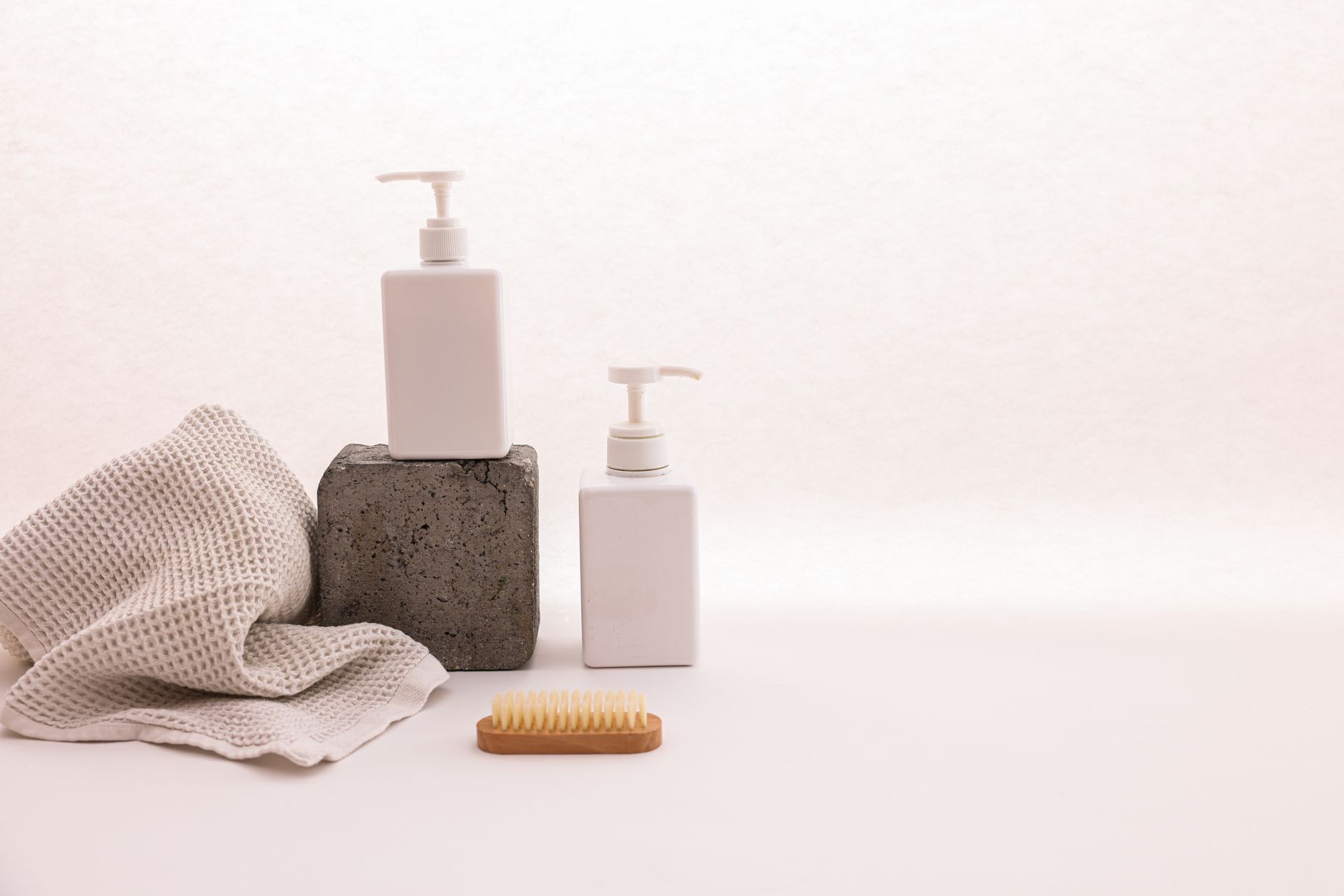
Clean beauty means choosing skin products that are formulated without ingredients known to irritate, disrupt hormones, or pollute the environment, and that are transparent about sourcing and manufacturing practices.
Imagine you are standing in front of your bathroom mirror, fresh towel wrapped around your face, and you notice a faint, lingering scent that makes you feel uneasy.
We uncover the hidden toxins in everyday cosmetics and share practical clean beauty habits you can start now.
Clean beauty: Definition, Benefits, and How It Works
Clean beauty is a philosophy that prioritizes safety, sustainability, and simplicity in personal care.
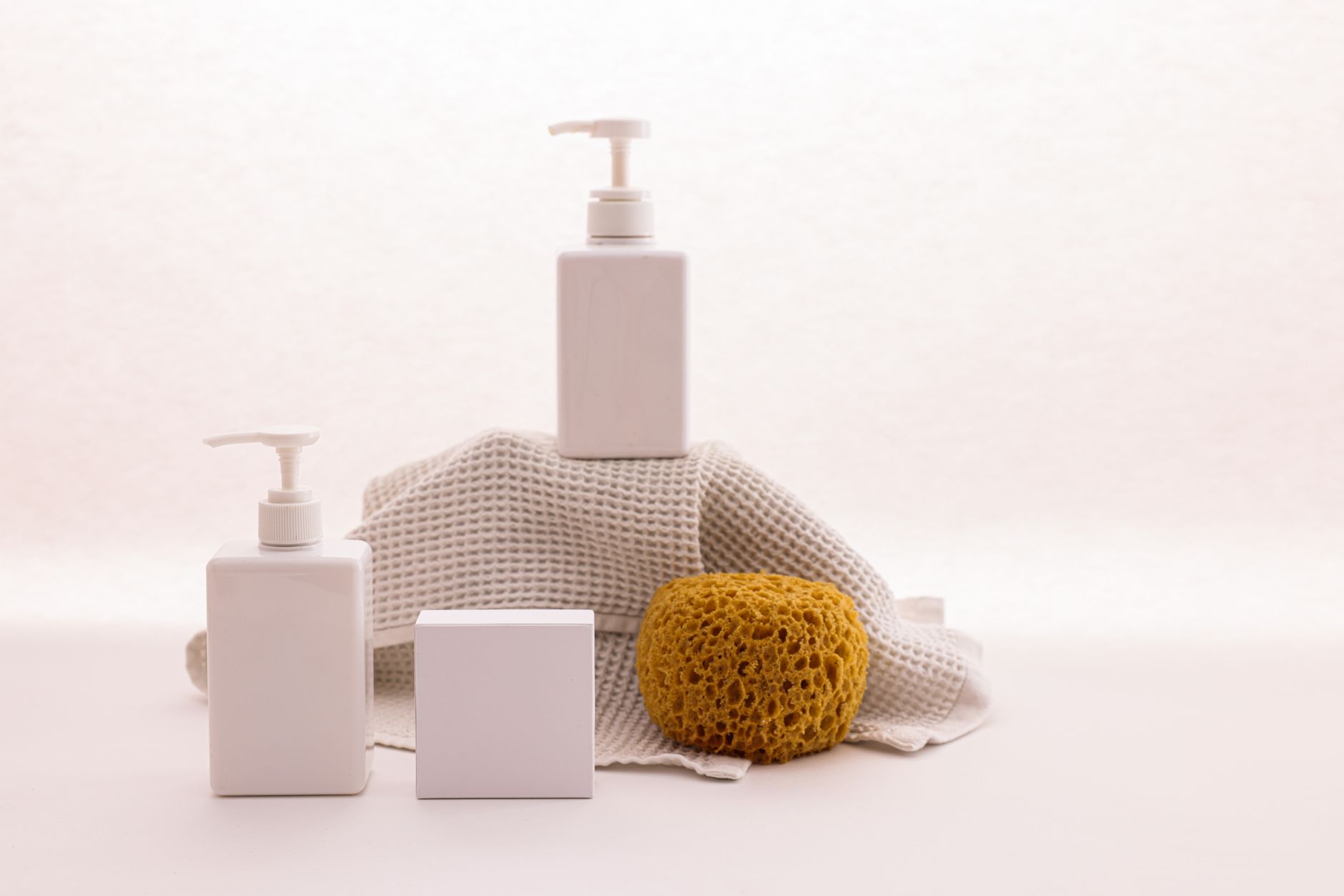
It matters because the skin is a living organ that absorbs what you put on it, and long‑term exposure to harsh chemicals can lead to dryness, breakouts, or even deeper health concerns.
For example, a friend of mine switched to a clean facial cleanser that uses oat extract and she saw her redness fade within weeks, without needing to patch with heavy creams.
- Gentler ingredients reduce the risk of irritation and allergic reactions.
- Transparent labeling empowers you to make informed choices.
- Eco friendly sourcing supports a healthier planet.
Generally, on average, about one in three conventional products contain at least one ingredient that dermatologists flag as potentially problematic.
At Ecobeautify we break down the science behind each ingredient so you can see why a simple switch can protect your skin and the world around you.
How it works is straightforward: manufacturers select ingredients that are biodegradable, non toxic, and derived from renewable resources, then they avoid synthetic fragrances, parabens, and sulfates that often cause issues.
Because the supply chain is traceable, you also get the benefit of knowing that the product supports fair trade farms and reduces carbon emissions.
Why Hidden Toxins Slip Into Everyday Products
Hidden toxins often appear in products because the beauty industry balances cost, performance, and consumer expectations, and sometimes cheaper synthetics win the race.
This is important to you because even trace amounts of certain preservatives or fragrance mimics can accumulate on the skin over months, leading to subtle yet persistent sensitivity.
A real world scenario is the popular “silky” body lotion that lists “fragrance” as an ingredient; that term can hide dozens of undisclosed chemicals that trigger reactions for people with sensitive skin.
Based on practitioner experience, many formulators use these “secret” additives to extend shelf life or give a product a pleasant scent, without considering the long term impact on the user.
Another factor is regulatory loopholes that allow manufacturers to label a product as “natural” while still including petrochemical derivatives, creating confusion for shoppers.
When you read a label that says “paraben free” but still contains a synthetic preservative such as phenoxyethanol, you are still exposed to a substance that can irritate.
Understanding these shortcuts helps you spot red flags and choose brands that truly commit to clean beauty values, like the ones we review at Ecobeautify.
Armed with that awareness, let’s dig into what Clean beauty really means, why it matters, and how you can start applying its principles today.
Clean beauty: Definition, Benefits, and How It Works
Clean beauty isn’t a buzzword; it’s a philosophy that prioritizes transparency, safety, and environmental stewardship in every formulation. Practitioners define it as products that avoid known irritants, endocrine disruptors, and animal‑derived microplastics while still delivering performance. Because the skin is our largest organ, even subtle irritants can trigger inflammation, so a cleaner palette often translates into calmer, more resilient skin.
The benefits ripple beyond the surface. When a moisturizer uses plant‑based humectants instead of synthetic glycols, it tends to support the skin’s natural barrier without over‑loading it with chemically aggressive agents. In real‑world terms, users of Eco effective skincare have reported fewer “break‑out” days after switching from conventional creams that list “fragrance” as the only scent descriptor. Moreover, clean formulations typically degrade faster in the environment, reducing the ecological footprint of each wash.
How does the system work? Brands adhering to clean standards often adopt a “ingredient‑first” workflow: they start with a safe, functional base, then layer actives that are either botanical or minimally processed. This approach contrasts with the “add‑on” model where a synthetic matrix is retro‑fitted with a handful of “green” claims. By building from the ground up, manufacturers can ensure that each component serves a purpose rather than simply masking flaws.
Why Hidden Toxins Slip Into Everyday Products
Even with rising consumer demand for safety, hidden toxins still creep into shelves because cost efficiencies and regulatory gray areas create incentives for shortcuts. For instance, a popular “silky” body lotion may list “fragrance” without detailing the dozens of volatile organic compounds (VOCs) that create that scent; these VOCs can linger on the skin and contribute to sensitization over time. Depending on the manufacturing region, the same product might replace a banned preservative with a less‑regulated alternative, keeping the label technically “paraben‑free” while still exposing users to irritants.
Another driver is the marketing allure of “natural” labeling. In many jurisdictions, a product can contain up to 95 % synthetic ingredients and still carry a “natural” badge if the remaining fraction includes a plant extract. This loophole confuses shoppers and allows brands to claim eco‑friendliness without truly committing to a toxin‑free profile. Practitioners note that such mixed formulations often perform inconsistently, delivering the promised texture but sacrificing long‑term skin health.
Understanding these shortcuts empowers you to spot red flags. When a label boasts “non‑toxic” yet lists a long‑chain polymer like polyethylene glycol, ask whether the claim refers to skin safety or merely to the absence of a specific list of banned chemicals. The nuance matters because a product can be free of one class of toxins while still harboring another that triggers reactions for sensitive individuals.
How to Read Ingredient Labels Like a Pro
Reading a cosmetics label is a bit like decoding a recipe: the order, the terminology, and the hidden aliases all convey clues about what you’re really applying. Ingredients are listed by weight, so the first three components dominate the formula; if “water,” “glycerin,” and “fragrance” occupy those spots, you can already anticipate a high likelihood of hidden irritants.
Look for parenthetical disclosures, a common tactic to hide problematic chemicals. A line that reads “fragrance (parfum, limonene, linalool)” is essentially a list of the individual scent molecules, many of which are allergens. Knowing that “limonene” is a citrus‑derived solvent helps you decide whether the product aligns with your Non‑toxic makeup preferences.
Also Read: 4 Perbedaan Serum dan Emulsion: Mana yang Lebih Baik?
- Tip: Create a personal cheat‑sheet of commonly concerning ingredients—such as phenoxyethanol, synthetic silicones, and certain colorants—and cross‑reference it each time you shop.
Beyond the ingredient list, the packaging can reveal a brand’s commitment to transparency. Some clean‑beauty pioneers print a QR code that links to a full ingredient dossier, including safety assessments and sourcing origins. When a product provides this depth of information, it signals that the company is confident about its formula’s safety and efficacy.
Difference Between Natural and Synthetic Fragrances
Natural fragrances are derived from plant oils, essential extracts, or fermented botanicals, while synthetic fragrances are engineered in a lab to mimic or amplify those scents. The key distinction lies in predictability: natural extracts contain a complex blend of dozens of molecules, some of which may be allergens, whereas synthetic versions can be isolated to a single, well‑studied compound.
Why does this matter for clean beauty? A natural perfume might include trace amounts of coumarin, a known sensitizer for some users, whereas a synthetic counterpart could be formulated without that specific allergen. Conversely, certain synthetics are designed to be hypoallergenic from the start, offering a safer alternative for people with delicate skin.
Consider a real‑world comparison: a boutique perfume labeled “rose‑scented” could be composed of 30 % actual rose oil, bringing along natural sesquiterpenes that might irritate rosacea‑prone skin. A synthetic “rose” fragrance, on the other hand, can be stripped of those irritants while still delivering a pleasant aroma. In clean‑beauty circles, the preference often leans toward synthetic fragrances that have undergone rigorous safety testing, especially when the goal is Non‑toxic makeup that won’t trigger reactions.
Common Mistakes When Switching to Clean Beauty and How Ecobeautify Helps
One frequent misstep is assuming that “green” automatically equals “clean.” Many first‑time adopters buy a product advertised as “eco‑friendly” only to discover it still contains hidden preservatives or fragrance mimics. Another common error is “over‑cleansing”—replacing every product at once, which can strip the skin’s natural oils and provoke rebound oiliness.
Ecobeautify tackles these pitfalls by offering nuanced, research‑backed guides that differentiate between truly clean formulations and merely marketable green claims. Their articles often include step‑by‑step transition plans, recommending a gradual swap of staples like cleanser, moisturizer, and sunscreen, while preserving the skin’s barrier function. By highlighting brands that prioritize ingredient transparency, Ecobeautify helps readers avoid the trap of “green‑washing” and stay aligned with their clean‑beauty goals.
Additionally, the blog’s focus on Eco effective skincare means they evaluate products not just on safety but also on performance. Readers learn how to match clean ingredients to specific skin concerns—whether it’s hyaluronic acid sourced from fermented plant sugars or vitamin C derived from citrus bio‑fermentation—so the switch feels like an upgrade rather than a compromise.
Frequently Asked Questions about Clean Beauty
Is clean beauty only for people with sensitive skin? Not at all. While those with sensitivities benefit most from reduced irritants, anyone can enjoy the long‑term health advantages of fewer synthetic additives. The principle is akin to choosing whole‑food nutrition over processed snacks—both improve overall well‑being.
Can clean products be as effective as conventional ones? Yes, especially when the formulation leverages modern botanical actives. For example, a clean facial serum using fermented niacinamide can rival a traditional serum that relies on synthetic stabilizers, delivering comparable brightening results without the potential side effects.
Do clean beauty products cost more? Generally, the price point reflects ingredient sourcing and transparent manufacturing practices. However, many clean brands now offer entry‑level lines that rival mid‑range conventional products, making the transition financially feasible.
How do I know if a fragrance is truly natural? Look for detailed disclosures such as “essential oil (lavender, bergamot, etc.)” rather than a generic “fragrance” label. Certificates from recognized bodies like the USDA Organic or Ecocert can also provide additional assurance.
Will switching to clean beauty reduce my carbon footprint? Typically, yes. Clean brands often emphasize sustainable packaging, biodegradable ingredients, and low‑impact manufacturing, all of which contribute to a smaller environmental imprint compared with traditional, petrochemical‑heavy lines.
Conclusion: Simple Steps to Protect Your Skin Today
Practical Tips to Make Clean Beauty Work for You Today
Transitioning to Clean beauty doesn’t have to feel like a marathon; a few focused actions can create immediate, noticeable changes in your skin’s comfort and clarity.
- Swap one product at a time. Choose the item you use most—often a cleanser or moisturizer—and replace it with a clean alternative. For instance, swapping a conventional foaming wash for a plant‑based, sulfate‑free cleanser reduces exposure to harsh surfactants while still delivering a fresh feeling.
- Set a “label‑reading” routine. Before each purchase, spend 30 seconds scanning the ingredient list. Highlight any term ending in “‑phosphate,” “‑paraben,” “‑phthalate,” or simply “fragrance.” If you spot any, add the product to a “review later” pile and look for a cleaner version online.
- Prioritize multi‑purpose formulas. A clean facial oil that doubles as a nighttime lip balm not only trims your routine but also limits the number of containers you open each day, decreasing the chance of hidden toxins creeping in.
- Leverage sample packs. Many clean brands, including Ecobeautify, offer trial sizes. Testing a tiny vial of a new serum lets you gauge skin reactions before committing to a full‑size bottle.
- Adopt a “clean‑first” shopping list. Write down the categories you need—clean cleanser, antioxidant serum, mineral sunscreen—and only browse brands that meet your ingredient standards. This proactive list prevents impulse buys that often contain hidden synthetics.
- Recycle or up‑cycle packaging. When you discard a conventional product, repurpose its container for DIY projects such as a cotton‑ball dispenser or a brush holder. This habit reinforces the sustainability ethos at the heart of clean beauty.
By integrating these micro‑habits, you’ll notice smoother texture, fewer breakouts, and a sense of confidence that comes from knowing exactly what’s touching your skin.
Frequently Asked Questions about Clean beauty
What is clean beauty?
Clean beauty refers to cosmetics and personal‑care products formulated without ingredients that are known or suspected to cause irritation, hormonal disruption, or environmental harm. The focus is on transparency, non‑toxic ingredients, and often includes sustainably sourced botanicals.
How do you verify if a product is truly clean?
Start by checking the ingredient list for red‑flag terms like parabens, phthalates, synthetic fragrances, and PEGs. Then look for third‑party certifications (e.g., USDA Organic, Ecocert) and manufacturers that disclose concentrations or sources of each component.
Is clean beauty more expensive than conventional beauty?
Generally, clean products can carry a higher price tag because sourcing premium botanicals and maintaining transparent supply chains cost more. However, many brands now offer entry‑level lines that match the price of mid‑range conventional items, making clean choices accessible for most budgets.
How do natural fragrances differ from synthetic ones?
Natural fragrances are derived from essential oils or plant extracts and are usually listed with specific botanical names (e.g., “lavender essential oil”). Synthetic fragrances are labeled simply as “fragrance” and may contain undisclosed allergenic compounds.
Can clean beauty products be as effective as traditional formulas?
Yes. Modern clean formulations often harness fermented botanical actives, such as fermented niacinamide or bakuchiol, which can deliver comparable results to synthetic retinol or preservatives while minimizing irritation risk.
Is clean beauty better for sensitive skin?
Because clean products avoid many common irritants, they tend to be gentler on sensitive or reactive skin. Users with conditions like rosacea or eczema frequently report fewer flare‑ups after switching to clean alternatives.
How do I transition to clean beauty without overwhelming my routine?
Adopt a phased approach: replace one product per week, starting with the item you use most frequently. Keep a simple “swap list” and test each new product on a small skin patch before full application.
Conclusion
Embracing Clean beauty is less about a dramatic overhaul and more about mindful, incremental choices that safeguard both your skin and the planet. The habits outlined above—label literacy, thoughtful product swaps, and leveraging sample sizes—equip you to navigate a market flooded with mixed claims, turning confusion into confidence.
When you choose clean, you’re not just avoiding hidden toxins; you’re actively supporting a supply chain that values transparency and sustainability. Your skin will thank you with fewer irritations, a steadier barrier, and a radiant glow that stems from truly nourishing ingredients. Take the next step today: pick one product from your bathroom cabinet, research its ingredients, and replace it with a clean alternative from a reputable brand like Ecobeautify. Small, consistent actions compound into lasting benefits—your skin, your health, and the environment will all reap the rewards.












Tinggalkan Balasan