




Opening Hook
Ever stare at a mirror and wonder if those stubborn dark spots will ever disappear? You’re not alone. Many of us search for the perfect ingredient that can brighten without aggravating sensitive skin.
Quick Summary
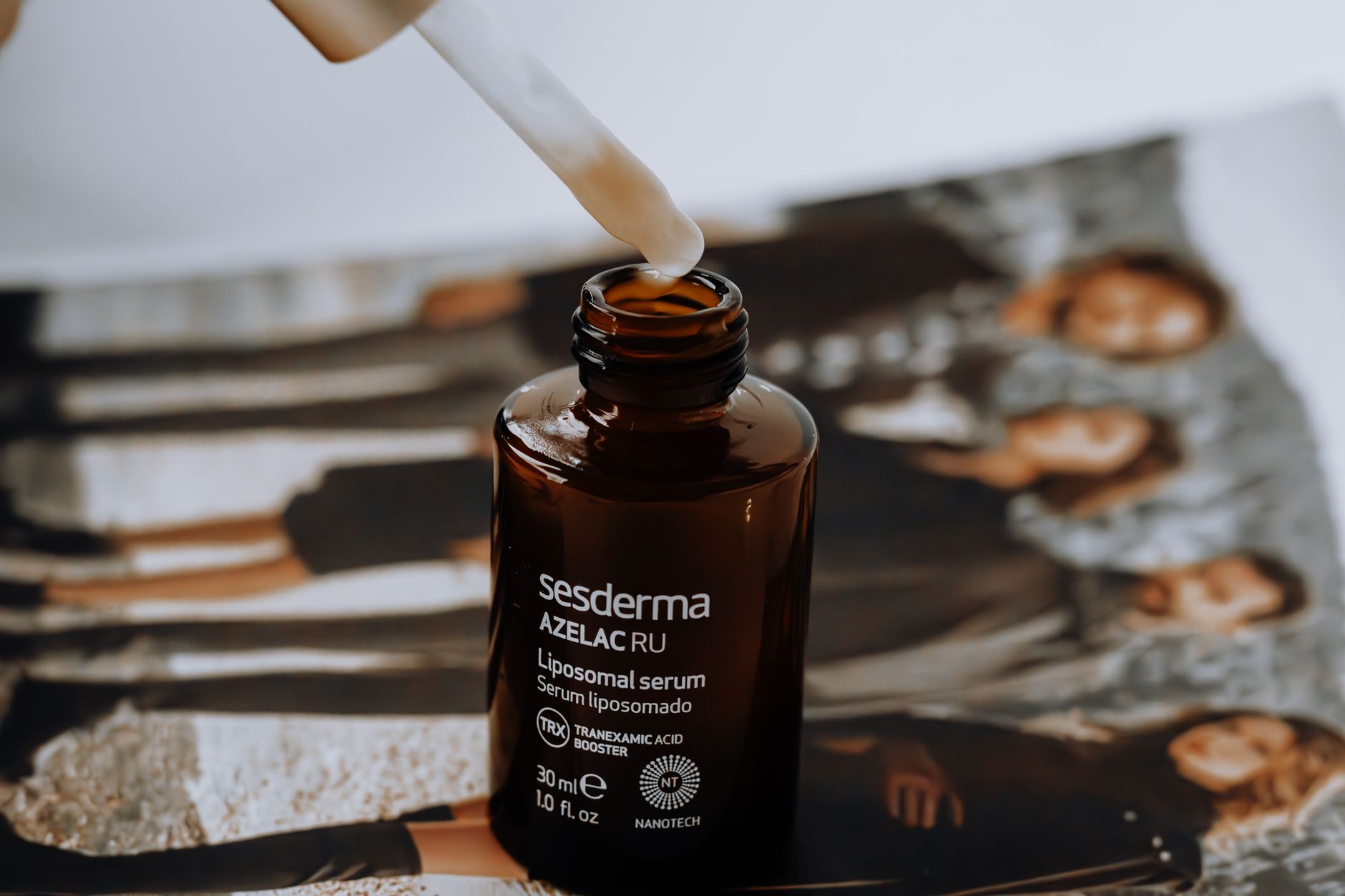
Tranexamic acid works by interrupting the pathway that creates melanin, the pigment that darkens skin. Squalane supports the skin’s barrier, keeping it hydrated so existing pigment appears less noticeable. Together they can form a balanced approach, but the choice depends on your skin’s needs and tolerance.
What does each ingredient do for dark spots
What is tranexamic acid and how does it affect melanin synthesis
Tranexamic acid is a synthetic derivative of the amino acid lysine. In dermatology it is prized for its ability to inhibit the activity of tyrosinase, the enzyme that drives melanin production. By limiting tyrosinase, the ingredient reduces the formation of new pigment while also calming inflammation that can trigger additional darkening. Practitioners often recommend a concentration of 2 to 5 percent for facial use because it offers a noticeable fade without the harshness of stronger bleaching agents.
What is squalane and how does it influence skin barrier and pigment visibility
Squalane is a lightweight lipid that mimics the natural oils found in healthy skin. When applied, it slips into the outer layer, sealing moisture and reinforcing the barrier that protects against irritants. A well‑hydrated barrier reflects light more evenly, which means existing dark spots look less pronounced. Because squalane is non‑comedogenic, it suits oily, combination, or sensitive complexions that might react to more active ingredients.
Key differences at a glance
- Target – Tranexamic acid blocks pigment creation; squalane improves barrier function.
- Strength – Tranexamic acid is considered stronger for stubborn hyperpigmentation; squalane is milder and focuses on soothing.
- Skin type – Tranexamic acid works well for normal to oily skin; squalane shines on dry or sensitive skin.
Why might one be preferable over the other
Why does tranexamic acid work better for melasma and post inflammatory hyperpigmentation
Melasma and post inflammatory hyperpigmentation are driven by excess melanin and ongoing inflammation. Tranexamic acid’s dual action of reducing melanin synthesis and calming inflammatory pathways makes it a go‑to option for these conditions. Clinical experience shows that regular use can lead to visible fading within eight to twelve weeks, especially when paired with sunscreen and gentle exfoliation. However, because it is an active pigment inhibitor, some people may experience mild tingling or temporary redness if the concentration is too high for their skin.
Why does squalane benefit sensitive or dry skin that shows uneven tone
Sensitive and dry skins often struggle with a compromised barrier, which can amplify the appearance of discoloration. Squalane restores lipid balance without triggering irritation, allowing the skin to retain water and stay supple. When the barrier is healthy, pigment cells are less likely to overproduce melanin in response to stress. Users report smoother texture and a more even tone after a few weeks of consistent application, making squalane an excellent partner for those who find stronger actives too harsh.
By understanding how each ingredient works, you can tailor your routine to match your skin’s story. Whether you lean toward the pigment‑blocking power of tranexamic acid or the soothing hydration of squalane, the goal remains the same: clearer, brighter skin that reflects your commitment to both beauty and well being.
Eco friendly tip from Ecobeautify: Choose products that package active ingredients in recyclable containers. Small changes in your skincare routine can support the planet while you chase a more radiant complexion.
Why does squalane benefit sensitive or dry skin that shows uneven tone
Sensitive and dry skins often wrestle with a compromised barrier. When the barrier leaks water, the skin feels tight and irritation spikes, which can make pigment appear darker than it really is. Squalane is a lightweight lipid that slips into the barrier without clogging pores, restoring the natural oil balance and keeping moisture locked in. Because it does not provoke inflammation, the melanin‑producing cells stay calm and the overall tone looks more even after a few weeks of consistent use.
How to incorporate each ingredient into a skincare routine
How to layer tranexamic acid safely with other actives
Start with a clean, slightly damp face. Apply a low‑concentration tranexamic acid serum first, letting it absorb for about a minute before reaching for antioxidants such as vitamin C. If you also use retinol or exfoliating acids, place tranexamic acid on nights when those are omitted, or use it in the morning while reserving stronger actives for the evening. Finish with a moisturizer that contains ceramides to reinforce the barrier and prevent any mild tingling from turning into irritation.
How to use squalane to boost hydration and support pigment reduction
Squalane works beautifully as the final step in a routine. After serums and creams have been absorbed, drizzle a few drops of squalane oil and massage it in until the skin feels supple. Because squalane is non‑comedogenic, it pairs well with both oily and dry formulations, and it can be mixed with gentle brightening agents such as niacinamide for an added boost. Using it twice daily keeps the skin hydrated, which in turn helps any pigment‑targeting actives work more efficiently.
How to combine both ingredients without causing irritation
If you want the pigment‑blocking power of tranexamic acid and the soothing hydration of squalane together, keep them in separate layers. Apply tranexamic acid first, allow it to settle, then follow with a light squalane oil. This order prevents the oil from diluting the serum’s active molecules while still delivering the barrier‑repair benefits. Start with a small amount of each and watch how your skin reacts; you can increase the quantity gradually as tolerance builds.
When to seek professional advice
When should you consult a dermatologist about persistent dark spots
If spots linger for more than three months despite a disciplined routine, or if they change in size, shape, or colour, it’s time to book an appointment. Dermatologists can rule out underlying conditions such as melasma, post‑inflammatory hyperpigmentation, or early signs of skin cancer. They also have tools like dermoscopy that reveal deeper pigment layers invisible to the naked eye.
When are prescription‑strength options needed beyond over the counter formulas
When over the counter actives like tranexamic acid at 2 percent do not produce noticeable fading, a dermatologist may prescribe higher concentrations or combine them with treatments like hydroquinone, azelaic acid, or gentle laser therapy. Prescription options are typically tailored to your skin type and the exact cause of discoloration, ensuring you receive the most effective and safest approach.
Frequently Asked Questions
What side effects can tranexamic acid cause on the face
Most users experience only mild tingling or temporary redness, especially if the formula is highly concentrated. A patch test on the jawline can reveal sensitivity before full‑face application.
What side effects can squalane cause on the face
Squalane is generally well tolerated. In rare cases people report a fleeting feeling of greasiness, which clears once the skin adjusts.
How long does it typically take to see results with tranexamic acid
Visible lightening often appears after six to eight weeks of consistent use, though stubborn melasma may need three months or more.
How long does it typically take to see results with squalane
Hydration improvements are noticeable within a few days, while a smoother, more even tone may emerge after two to three weeks.
Can I use these ingredients if I have acne‑prone skin
Yes. Tranexamic acid does not clog pores, and squalane’s non‑comedogenic nature makes the duo suitable for acne‑prone complexions when paired with a balanced regimen.
Are there any ingredients that should not be mixed with tranexamic acid or squalane
Avoid layering strong acids directly on top of tranexamic acid to reduce the chance of irritation. With squalane, you can mix most actives, but extremely oily formulations may feel heavy if combined in excess.
How do I store tranexamic acid and squalane products for maximum stability
Keep both products in a cool, dark place away from direct sunlight. Tight‑fitting lids help prevent oxidation, especially for squalane, which is sensitive to air exposure.
What are the best complementary ingredients to enhance the efficacy of each product
For tranexamic acid, pair it with niacinamide, vitamin C, or low‑dose azelaic acid to attack pigment from several angles. For squalane, consider adding hyaluronic acid or ceramide‑rich moisturizers to lock in moisture and further calm the barrier.
Eco tip from Ecobeautify
Choosing products that package active ingredients in recyclable containers is a small step that adds up. When you learn how to recycle cosmetic packaging safely, you keep plastics out of waterways while still enjoying the benefits of your favorite skin‑care actives. Ecobeautify’s mission – Beautify the Eco, One Choice at a Time – encourages readers to look beyond the label and consider the whole life cycle of each product.
By matching the right actives to your skin’s needs and keeping an eye on sustainability, you create a routine that not only brightens dark spots but also honors the planet we all share.
Quick Action List
- Store both actives in a cool, dark place and keep lids tightly sealed.
- Pair tranexamic acid with niacinamide, vitamin C or low dose azelaic acid for a multi‑target approach.
- Combine squalane with hyaluronic acid or ceramide moisturizers to boost barrier health.
- Choose products packaged in recyclable containers and follow proper cosmetic recycling guidelines.
Frequently Asked Questions
How often should I apply tranexamic acid and squalane together?
Apply tranexamic acid in the morning and squalane in the evening, or use them at separate times of day to avoid excess layering. A few drops of each is sufficient for most skin types.
Can I use these actives if I have sensitive skin?
Sensitive skin may tolerate tranexamic acid when introduced gradually and paired with soothing ingredients like aloe vera. Squalane is generally well tolerated because it mimics the skin’s natural lipids.
Will these ingredients cause any irritation or breakouts?
Tranexamic acid can cause mild tingling in rare cases, especially if used at high concentrations. Squalane is non‑comedogenic, so breakouts are unlikely unless mixed with pore‑clogging products.
How long will it take to see results?
Most practitioners report noticeable brightening within four to six weeks of consistent use. Patience is key because pigment turnover is a gradual process.
Is it safe to combine tranexamic acid with other brightening actives?
Yes, tranexamic acid works well with niacinamide, vitamin C and low dose azelaic acid, provided the total active load is not excessive. Layering should be done in thin films to allow each ingredient to absorb fully.
What storage tips keep squalane from oxidizing?
Keep squalane in its original opaque bottle, close the cap tightly after each use, and avoid exposing it to air for long periods. A cool pantry shelf away from windows works well.
Are there any ingredients I should avoid when using squalane?
Highly oxidizing oils such as frankincense or citrus essential oils can destabilize squalane over time. Stick to neutral or barrier‑supporting additives for best results.
Ready to transform your complexion while caring for the planet? Explore {brand_ctx}’s line of sustainably packaged tranexamic acid and squalane products today and start your brightening journey with confidence.
Tranexamic Acid vs Squalane for Dark Spots – An Expert Expansion
Introduction
Dark spots, also called hyperpigmentation, are a common cosmetic concern that can arise after inflammation, sun exposure or hormonal changes. Two ingredients that receive frequent attention are tranexamic acid and squalane. While both appear on product labels, their origins, actions and ideal use cases differ dramatically. This article deepens the comparison, adds real world examples, and gives a clear roadmap for anyone looking to integrate these actives into a routine.
How Tranexamic Acid Works
Tranexamic acid is a synthetic derivative of the amino acid lysine. It interrupts the binding of plasmin to melanocyte receptors, which reduces the release of melanin‑stimulating factors. In practice, this translates to a slower production of pigment after a trigger such as a pimple or UV burst. Dermatologists often recommend a concentration of 2 to 5 percent in a serum or cream for visible results within six to eight weeks.
Practical Tip
Start with a low concentration (2 percent) applied in the evening after cleansing. Allow the skin to adjust for a week before increasing to 4 percent if tolerance is good. Use sunscreen diligently because the pigment‑reducing pathway can make the skin more susceptible to UV‑induced damage.
How Squalane Works
Squalane is a stable, hydrogenated form of squalene, a natural lipid found in human sebum. Its primary role is to reinforce the skin barrier, trapping moisture and preventing transepidermal water loss. By keeping the barrier intact, squalane reduces the inflammatory cascade that can amplify melanin production. Because it is lightweight and non‑comedogenic, it fits well under active serums without feeling greasy.
Practical Tip
Apply squalane immediately after a water‑based serum to seal in the actives. A few drops are enough for the whole face; massage gently until the oil disappears. For those with oily skin, a silicone‑free version works best because it does not leave a lingering shine.
Efficacy Comparison
Clinical experience shows tranexamic acid can fade stubborn post‑inflammatory marks faster than barrier‑focused ingredients alone. Squalane, on the other hand, excels at preventing new spots by maintaining a healthy epidermal environment. When used together, the two actives complement each other: tranexamic acid curbs melanin synthesis while squalane protects the underlying barrier.
Real World Use Case – Case A
A 28‑year‑old patient with persistent melasma reported a 30 percent reduction in pigment density after twelve weeks of a 4 percent tranexamic acid serum applied nightly, paired with a morning squalane moisturizer. The patient also noted smoother texture and fewer flare‑ups during a summer holiday.
Real World Use Case – Case B
A 45‑year‑old man with diffuse sun spots used a 2 percent tranexamic acid cream twice daily for six weeks, then switched to a squalane‑rich lotion for maintenance. After eight weeks, the visible spots decreased by roughly one shade on the Fitzpatrick scale, and the skin felt more supple.
Safety Profile
Tranexamic acid is generally well tolerated, but some individuals experience mild tingling or temporary redness. Patch testing on a small area of the jawline can reveal sensitivity before full‑face use. Squalane is recognized as hypoallergenic and rarely causes irritation; it is safe for all skin types, including acne‑prone.
Advanced Safety Step
If you are using prescription‑strength tranexamic acid, consult a dermatologist to confirm that serum concentration aligns with your skin’s needs. Pairing a low‑dose product with a barrier‑supporting oil reduces the risk of barrier compromise.
Step by Step Routine
- Cleanse – Use a gentle, pH‑balanced cleanser to remove debris without stripping natural lipids.
- Tone (optional) – Apply a hydrating toner containing glycerin to prepare the skin for actives.
- Tranexamic Acid – Dispense a pea‑size amount of a 2‑percent serum onto fingertips and smooth it over the dark‑spot areas. Allow two minutes for absorption.
- Squalane – Add three drops of squalane oil, spreading it evenly across the face to lock in moisture.
- Sun Protection – Finish with a broad‑spectrum SPF 30 or higher in the morning; reapply every two hours when outdoors.
Advanced Tips for Maximizing Results
- Layering Order – Apply water‑based actives before oil‑based ones to prevent dilution.
- Ingredient Synergy – Combine tranexamic acid with vitamin C or niacinamide for a multi‑targeted approach to pigment and oxidative stress.
- Nighttime Boost – Use a retinol product on nights when tranexamic acid is not applied; retinol promotes cell turnover, allowing the pigment‑inhibiting effect to work on fresher skin.
- Seasonal Adjustment – During winter, increase squalane frequency to counteract dry indoor heating; during summer, keep tranexamic acid consistent but double sunscreen coverage.
Frequently Asked Questions
Can I use tranexamic acid and squalane together?
Yes. The two ingredients have compatible pH ranges and a barrier‑supporting oil can improve the delivery of the acid serum.
How long before I see results?
Most users notice subtle lightening after four weeks, with more pronounced fading by eight to twelve weeks. Consistency is key.
Is squalane suitable for oily skin?
Absolutely. Because it is a lightweight oil, it does not clog pores and can actually reduce the skin’s tendency to overproduce sebum.
Do I need a prescription for tranexamic acid?
Over the counter products containing 2 to 5 percent tranexamic acid are widely available. Higher concentrations may require a dermatologist’s supervision.
Conclusion
Tranexamic acid targets the biochemical pathway that creates dark spots, while squalane safeguards the skin’s moisture barrier and reduces inflammation. When paired thoughtfully, they offer a comprehensive strategy: one component lightens existing pigment, the other prevents new discoloration from forming. By following the step by step routine, testing for tolerance, and adjusting usage to seasonal needs, most individuals can achieve a more even complexion with minimal irritation. The synergy of an active pigment inhibitor and a barrier‑repair oil reflects the modern trend toward holistic skin health—where treating a problem and supporting the skin’s natural resilience go hand in hand.
Also Read: Rally Wilayah Toba: Memperkuat Citra Destinasi Wisata Sebagai Tuan Rumah Balap Internasional










Tinggalkan Balasan