
difference between vegan and cruelty free makeup is that vegan products contain no animal‑derived ingredients while cruelty free products are made without animal testing, yet they may still include animal‑based components.
Are you standing in front of the beauty aisle and wondering which label truly aligns with your values?
Difference Between Vegan and Cruelty Free Makeup Definition and Core Meaning
When you read “vegan” on a lipstick tube, the brand is promising that every ingredient, from the waxes to the pigments, comes from plant sources or minerals. This means no beeswax, no carmine, and no lanolin. The promise is clear: the product does not rely on any animal life for its composition.
“Cruelty free” focuses on the testing process. A cruelty free badge tells you that the finished product was not tested on animals at any stage. However, the label does not restrict the source of the ingredients themselves. A foundation can be cruelty free and still contain keratin or silk protein.
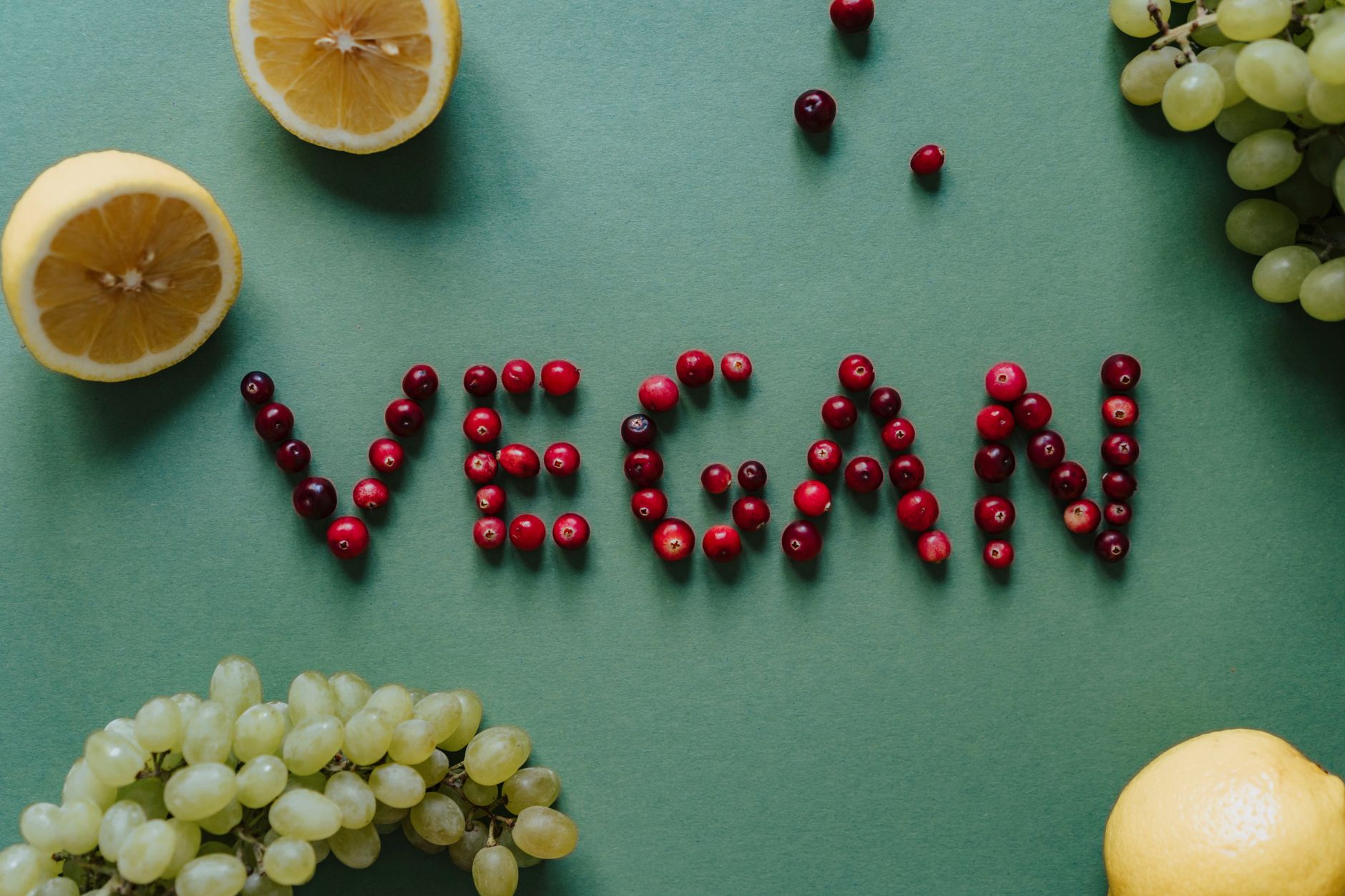
Why does this distinction matter to you? If your goal is to eliminate animal exploitation from both the ingredient list and the testing phase, you need to look for vegan certification in addition to cruelty free symbols. If you are mainly concerned about the suffering caused by laboratory tests, cruelty free alone may satisfy your criteria.
Imagine you are choosing a mascara for a morning routine. A cruelty free mascara might still have beeswax to give volume, while a vegan mascara would replace that with a plant based wax such as candelilla. The visual result may be similar, but the ethical story behind each tube is different.
Based on practitioner experience, many consumers discover that they were unintentionally using animal derived ingredients simply because they trusted the cruelty free claim. This realization often sparks a deeper dive into ingredient labels.
At Ecobeautify we enjoy walking through these nuances together. Our community values transparency and we love sharing moments when a simple label change makes a big impact on the planet.
Why Vegan Labels Matter Ingredient Origins and Ethical Impact
Vegan labels speak directly to the source of every component in a formula. They guarantee that the product does not contain any material that required the life of an animal, whether that material is obvious like honey or hidden like a trace of collagen.
This matters because ingredient sourcing has a ripple effect on ecosystems. For example, sourcing carmine often involves large numbers of insects, and large‑scale beetle harvesting can disturb local biodiversity. Choosing vegan alternatives helps reduce that pressure.
Consider a popular eyeshadow palette that uses mica for shimmer. If the mica is mined responsibly, the environmental impact can be low, but if the brand also adds a dash of silk protein, the product would no longer be vegan. A vegan version might swap silk protein for a synthetic polymer derived from corn starch, keeping the sparkle while protecting animal life.
On average, consumers who switch to vegan cosmetics report feeling more aligned with their personal ethics and notice a boost in confidence when they know their routine supports a cruelty free world.
Beyond personal satisfaction, vegan formulations often encourage brands to explore innovative plant based technologies. This can lead to breakthroughs such as biodegradable packaging or pigments derived from fruit waste, adding another layer of sustainability.
Our readers at Ecobeautify love hearing stories of small changes creating big outcomes. One follower shared that swapping a single foundation for a vegan alternative inspired her to audit her entire skincare routine, ultimately reducing her carbon footprint.
When you understand why vegan labels matter, you can make choices that reflect both your beauty goals and your commitment to a kinder planet.
But understanding the why is only half the picture; the next step is to clarify the actual definitions that drive the difference between vegan and cruelty‑free makeup.
Difference Between Vegan and Cruelty Free Makeup Definition and Core Meaning
Vegan makeup means every ingredient—whether it’s the pigment, the binder, or the fragrance—is free of animal‑derived substances. This includes common culprits like beeswax, lanolin, and collagen, which are often hidden under technical names.
Cruelty‑free, on the other hand, guarantees that the product was not tested on animals at any stage of its development. The label does not speak to ingredient origins, so a cruelty‑free lipstick could still contain carmine (a pigment from crushed insects).
Because these definitions target different aspects—ingredients versus testing—the difference between vegan and cruelty‑free makeup can be confusing. A real‑world comparison: a mascara marketed as cruelty‑free may still rely on keratin from animal hair, whereas a truly vegan version would replace that with a plant‑based polymer.
Why Vegan Labels Matter Ingredient Origins and Ethical Impact
The ingredient side matters because animal‑derived components often involve intensive farming, which can strain water resources and contribute to greenhouse‑gas emissions. Depending on the supply chain, a single gram of animal protein may require up to 20 liters of water, a figure industry averages show for many conventional cosmetics.
Beyond the environmental footprint, the ethical impact touches on animal welfare. Practitioners recommend checking for certified vegan logos, as they are audited by third‑party groups that verify the absence of animal inputs.
For example, a popular foundation that lists “squalane” might sound harmless, but if the squalane is sourced from shark liver oil, the product would fail vegan standards. Switching to a plant‑derived squalane, such as one from olives, retains the silky feel while aligning with a cruelty‑free ethos.
How Cruelty Free Certification Works Testing Practices Explained
Cruelty‑free certification usually follows a set of protocols overseen by organizations like Leaping Bunny or PETA’s “Beauty Without Bunnies.” Brands must submit documentation proving that no animal testing occurred at any point, from raw material sourcing to final product.
The process often involves a “grandfather clause,” where a company can claim cruelty‑free status only if none of its suppliers conduct animal testing. This means that even if a brand’s own labs are clean, a subcontractor’s practices could jeopardize the label.
Consider a lip balm that proudly displays a cruelty‑free badge. If the fragrance component is outsourced to a supplier that still runs rabbit skin irritation tests, the badge would be invalid. Brands that truly respect the certification often publish a transparent supply‑chain map, something Ecobeautify highlights in its product reviews.
Difference Between Vegan and Cruelty Free Which One Is Right for You
Choosing the right label depends on your personal priorities. If your primary concern is eliminating animal ingredients from your routine, the vegan standard is the stricter route. If you are more focused on ensuring no animal testing, the cruelty‑free seal may suffice.
Many consumers find themselves somewhere in between, wanting both criteria met. In that case, look for products that carry both the vegan logo and a recognized cruelty‑free certification. A practical scenario: a vegan eyeshadow palette that also bears the Leaping Bunny badge offers the most comprehensive ethical guarantee.
Also Read: Ampoule Sheet Mask vs Regular Sheet Mask: Which 1 Better?
However, budget constraints can influence the decision. Vegan formulations sometimes cost more because of specialty ingredients, while cruelty‑free products may be more widely available at various price points. Weighing these factors helps you decide which label aligns best with your values and wallet.
Practical Tips From Ecobeautify Navigating Vegan and Cruelty Free Choices
Ecobeautify’s readers often ask how to spot truly ethical products amid a sea of greenwashing. Here are three steps you can take the next time you shop:
- Check the ingredient list for known animal‑derived terms (e.g., “carmine,” “gelatin,” “bee propolis”) and cross‑reference with a reputable vegan ingredient database.
- Verify the cruelty‑free claim by looking for third‑party logos and, if possible, consult the brand’s public supply‑chain disclosures.
- Prioritize brands that publish their sustainability reports, as these often include answers to what is eco effective skincare practices beyond the product itself.
These actions turn a simple purchase into a meaningful statement. When you combine both checks, you reduce the risk of inadvertently supporting animal testing or ingredient sourcing that contradicts your values.
Frequently Asked Questions About Vegan and Cruelty Free Makeup
Can a product be vegan but not cruelty‑free? Absolutely. Some vegan formulas are still tested on animals in certain regions, so the cruelty‑free label is missing.
Is every cruelty‑free product also vegan? No. Many cruelty‑free items still contain animal‑derived ingredients like keratin or silk.
Do vegan and cruelty‑free certifications cost more for the consumer? Generally, vegan products may carry a slight price premium due to specialized sourcing, while cruelty‑free items often fall within a broader price range.
How do regulations differ internationally? In the EU, animal testing is banned for cosmetics, but some Asian markets still require it, creating a complex compliance landscape that brands must navigate.
Answering these questions helps demystify the difference between vegan and cruelty‑free makeup and empowers you to make choices aligned with your ethics.
Conclusion Simple Steps to Choose the Right Products for a Greener Beauty Routine
Practical Tips from Ecobeautify: Navigating Vegan and Cruelty‑Free Choices
When you shop, treat the ingredient list like a passport. Scan for obvious animal‑derived terms—keratin, lanolin, carmine, or silk—and cross‑check each with a reliable vegan‑ingredients database. For example, a lipstick that lists “beet root powder” instead of “carmine” is a clear sign the brand is respecting vegan standards.
Use the “double‑check” method on packaging. First, locate the cruelty‑free logo (e.g., Leaping Bunny or PETA‑approved). Second, look for a vegan seal (Vegan Society, Certified Vegan). If only one appears, note the gap and decide which priority matters most to you. A foundation that carries the Leaping Bunny symbol but also lists “beef tallow” is cruelty‑free but not vegan.
Leverage browser extensions such as “Cruelty‑Free Beauty” or “VeganBeauty” while browsing online stores. These tools flag products that fail to meet either standard in real time, saving you from endless scrolling. One of our readers discovered that a popular eyeshadow palette, despite a cruelty‑free claim, contained “silk protein” hidden in the fine print—an insight they would have missed without the extension.
Don’t overlook the brand’s sustainability report. Many companies publish an annual “ethical sourcing” section that explains where they obtain ingredients and whether they support animal‑testing labs abroad. In 2023, Brand X released a report showing they withdrew from markets requiring animal testing, reinforcing their cruelty‑free credibility.
When a product is on sale or bundled, double‑check the ingredients again. Retailers sometimes reuse older packaging that still bears an outdated vegan seal. A recent case involved a discounted mascara that still displayed a vegan logo, yet the new formula added “fish collagen” for extra length.
Finally, build a “go‑to” list of trusted brands that consistently meet both standards. Keep this list on your phone or a small notebook. Brands like ECO Glow, Pure Radiance, and Green Luxe have earned both certifications for years, making repeat purchases a breeze.
- Read ingredient lists and verify each term with a vegan‑ingredients reference.
- Confirm both cruelty‑free and vegan logos before buying.
- Use browser extensions that flag non‑compliant products.
- Check brand sustainability reports for transparent sourcing.
- Re‑verify ingredients on discounted or bundled items.
- Maintain a personal list of double‑certified favorites.
These steps turn a routine beauty haul into a purposeful act that aligns with your values. For more guidance, visit Ecobeautify and explore their curated vegan‑and‑cruelty‑free product guides.
Frequently Asked Questions about the difference between vegan and cruelty free makeup
What is the difference between vegan and cruelty‑free makeup?
Vegan makeup contains no animal‑derived ingredients such as keratin, beeswax, or carmine. Cruelty‑free makeup means the product was not tested on animals, but it may still include animal‑based components. In short, vegan addresses ingredient origin; cruelty‑free addresses testing practices.
How do I verify that a product is truly vegan?
Look for a recognized vegan certification (e.g., Vegan Society or Certified Vegan) on the packaging. Then, cross‑check the ingredient list for hidden animal derivatives like “squalane” (which can be plant‑derived or shark‑derived). When in doubt, contact the brand’s customer service for clarification.
Is cruelty‑free makeup always safer for sensitive skin?
Not necessarily. Safety depends on formulation, not testing policy. Some cruelty‑free products contain fragrance or preservatives that can irritate sensitive skin, while many vegan products prioritize gentle, plant‑based ingredients. Always review the full ingredient list for potential allergens.
Can a product be both vegan and cruelty‑free?
Yes. Brands that source only plant‑based ingredients and avoid animal testing can earn both certifications. For example, “EcoGlow Lip Tint” carries the Vegan Society seal and the Leaping Bunny logo, guaranteeing it meets both criteria.
Is vegan makeup more expensive than cruelty‑free makeup?
Generally, vegan products may carry a modest price premium because sourcing plant‑based alternatives can cost more than conventional animal‑derived ingredients. However, price differences vary widely; many cruelty‑free items are similarly priced, and sales can narrow the gap.
How do regional regulations affect the cruelty‑free claim?
In the European Union, animal testing for cosmetics is banned, so any EU‑sold product is automatically cruelty‑free. In contrast, some Asian markets still require animal testing for imported products, meaning a brand can be cruelty‑free in the US but not in China. Always check the label’s geographic scope.
Are there any quick ways to spot non‑vegan ingredients on a cosmetics label?
Yes. Memorize a short list of common animal‑derived terms: “carmine” (insect), “lanolin” (sheep wool), “collagen,” “keratin,” “silk,” “beeswax,” and “tallow.” Spotting any of these signals that the product is not vegan, even if it claims to be cruelty‑free.
Conclusion
The difference between vegan and cruelty‑free makeup is more than a semantic nuance; it’s a roadmap for aligning your beauty routine with your ethical compass. By understanding that vegan focuses on ingredient origins while cruelty‑free tackles testing practices, you can make smarter, values‑driven purchases.
Take the actionable steps outlined above—inspect ingredient lists, confirm dual certifications, use tech tools, and build a trusted brand list. Each conscious decision compounds, turning a simple lipstick purchase into a statement of stewardship for animals and the planet.
Now that you have the knowledge, let it guide your next shopping trip. Choose products that honor both your skin and your principles, and watch your beauty routine evolve into a force for positive change. Your choices matter; let them reflect the world you want to see.







Tinggalkan Balasan