




how to practice sustainable tourism in southeast asia involves choosing low impact transport, supporting local economies, and minimizing waste while you explore the region’s natural and cultural treasures. It means planning your itinerary with respect for biodiversity, honoring community customs, and selecting accommodations that follow proven green standards.
I was trekking through a misty forest in northern Vietnam when a sudden rainstorm turned the trail into a slippery mess. A local guide rushed ahead, warning me that the area’s fragile moss could be destroyed by careless footsteps. In that moment I realized my adventure could become a hidden source of harm.
Discover how to travel responsibly while enjoying the vibrant cultures of Southeast Asia.
What does practicing sustainable tourism in southeast asia mean
Practicing sustainable tourism in southeast asia means aligning your travel habits with the well‑being of the places you visit. It encourages you to choose public buses, bicycles, or shared rides instead of private cars that add to congestion and emissions. By opting for locally owned eateries you keep money circulating within the community and help preserve authentic flavors.
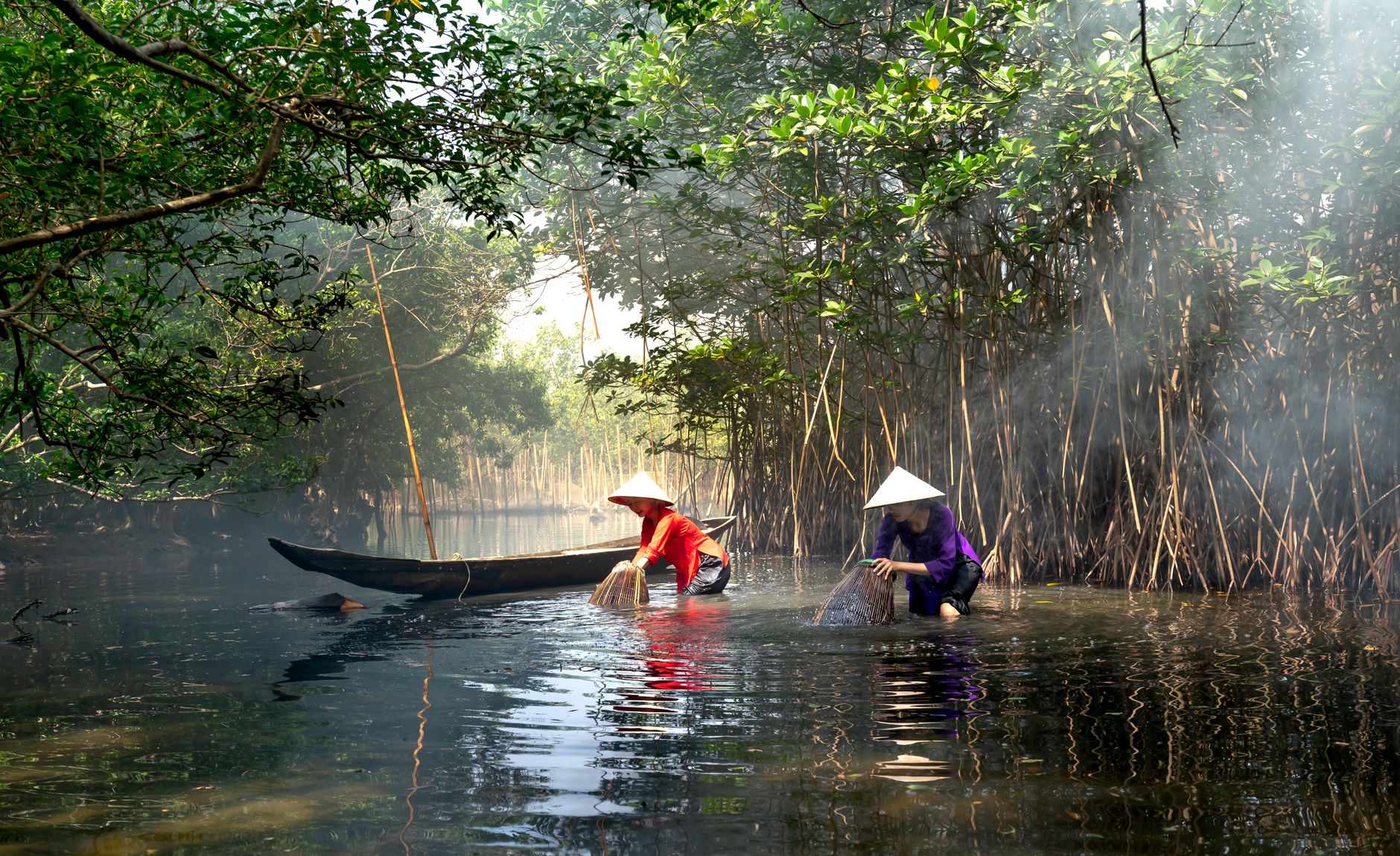
This matters because every choice you make either strengthens or weakens the social and environmental fabric of the destination. When travelers respect local ecosystems, they reduce pressure on endangered habitats and give residents a reason to protect their natural assets. On average, destinations that receive mindful visitors see slower rates of litter accumulation and higher satisfaction among locals.
For example, while staying in a beachfront homestay on Koh Lanta, I noticed solar panels powering the kitchen lights. The host explained that the solar system cut electricity costs by nearly half and allowed them to invest in coral reef monitoring. My stay not only lowered my carbon footprint but also contributed to a project that safeguards the very waters I swam in.
Ecobeautify often highlights such stories to show how simple actions can create ripple effects. The blog’s guides list green‑focused lodging, community‑run tours, and waste‑free dining options that make a tangible difference. By following these recommendations you become part of a growing network of travelers who protect the places they love.
Why caring for local ecosystems enhances your travel experience
Caring for local ecosystems deepens your connection to the destination and enriches every moment of your journey. When you respect wildlife corridors, you may spot a shy pangolin instead of stumbling over a broken branch that could have harmed it. This mindfulness turns ordinary sightseeing into a rewarding encounter with nature’s subtle wonders.
The benefit is personal as well as planetary. Studies generally show that travelers who engage with conservation activities report higher happiness levels and a stronger sense of purpose. By contributing to habitat restoration you also gain insider knowledge that most tourists never receive, turning a simple vacation into a meaningful story to share.
Consider the case of a small river community in Laos that offers guided kayak tours. Participants are briefed on the river’s role in supporting fish species and the livelihoods of local families. After paddling, volunteers help remove plastic bags that have drifted downstream. The effort not only leaves the water clearer but also gives paddlers a direct sense of stewardship.
Ecobeautify’s articles often feature such immersive experiences because they illustrate how sustainable choices amplify joy. When you choose activities that protect the environment, you unlock authentic interactions that standard tours rarely provide. The result is a travel memory that feels both adventurous and responsible.
That sense of stewardship you just felt on the river carries over into every step of your itinerary, shaping what how to practice sustainable tourism in southeast asia truly looks like on the ground.
What does practicing sustainable tourism in Southeast Asia mean
At its core, sustainable tourism in this region blends respect for cultural heritage with low‑impact interaction with natural resources. It means choosing experiences that preserve traditions, protect biodiversity, and generate fair income for local communities. Because the climate and wildlife differ from the highlands of Vietnam to the coral reefs of the Philippines, the exact practices vary; in coastal villages, for example, avoiding single‑use plastics can be more critical than in inland towns.
Why does this definition matter? When travelers adopt a mindset that values “leaving no trace,” they help keep fragile ecosystems intact for future visitors and for the people who depend on them. Practitioners report that such mindful travel often deepens personal satisfaction, a benefit that industry surveys generally associate with higher repeat‑visit rates. In practice, a backpacker who opts for a community‑run homestay in Chiang Mai contributes to the preservation of Lanna architecture while learning cooking techniques passed down through generations.
Consider the case of a small eco‑tour operator in the Mekong Delta who coordinates night‑fishing trips only with locals who follow regulated catch limits. This arrangement safeguards fish stocks, honors centuries‑old fishing customs, and provides tourists with an authentic glimpse into riverine life. The model illustrates how “how to practice sustainable tourism in southeast asia” can be tailored to each locale, turning each journey into a collaborative conservation effort.
Why caring for local ecosystems enhances your travel experience
When you protect a mangrove forest in Thailand, you’re not just conserving carbon; you’re preserving a nursery for shrimp, a sanctuary for migratory birds, and a backdrop for sunrise kayaking. The health of these habitats directly influences the quality of activities you can enjoy—clear waters, vibrant wildlife, and unspoiled scenery. Depending on the season, the presence of certain species can transform a routine trek into a rare wildlife sighting, a payoff that any nature lover cherishes.
Beyond the immediate visual rewards, caring for ecosystems enriches your emotional connection to place. Studies generally show that travelers who engage in clean‑up or reforestation projects report stronger feelings of belonging and purpose. A volunteer group in Borneo that planted native dipterocarp trees discovered that the freshly sprouted saplings attracted a chorus of hornbills, turning a simple planting day into an unforgettable bird‑watching adventure.
These experiences also foster cultural exchange. When you help a community monitor turtle nesting sites in Malaysia, local guides share stories of ancestral reverence for sea turtles, deepening your appreciation for both the species and the people protecting them. The exchange illustrates how environmental stewardship can serve as a bridge between traveler and host, creating memories that linger long after the trip ends.
How Ecobeautify guides you to choose eco friendly accommodations that respect the environment
Ecobeautify, a personal blog dedicated to a holistic green lifestyle, curates lists of lodgings that meet strict sustainability criteria. Their reviews examine energy sources, waste management, and community engagement, offering a clear picture of how each property aligns with eco‑friendly standards. By focusing on positive solutions rather than alarmist narratives, the blog helps readers envision a beautiful, cleaner world through everyday choices.
For instance, the guide to “green boutique hotels in Hanoi” highlights a property that powers its rooms with solar panels and sources breakfast ingredients from nearby organic farms. Guests receive reusable bamboo cutlery and are invited to participate in a weekly rooftop garden workshop, where they learn to grow herbs used in the hotel kitchen. This hands‑on approach demonstrates how sustainable accommodations can double as educational experiences, reinforcing the idea of “how to practice sustainable tourism in southeast asia” at the very place you rest.
Ecobeautify also provides step‑by‑step checklists that travelers can use before booking. The checklist includes questions such as: Does the hotel publish an annual sustainability report? Are local artisans featured in the décor? Is water consumption monitored and reduced? By answering these, you turn a simple reservation into a deliberate act of environmental support, ensuring that your stay contributes to the well‑being of the surrounding community.
Common mistakes travelers make and how to avoid them
Even well‑intentioned tourists can slip into habits that undermine sustainability goals. One frequent error is treating “slow travel” as merely a buzzword without understanding its practical implications. When travelers ask, “what is slow travel and how to do it,” they often overlook the deeper commitment to minimizing carbon footprints, engaging with locals, and staying longer in one place to reduce transit emissions.
- Assuming every eco‑label guarantees green practices; always verify the criteria behind the certification.
- Leaving behind non‑biodegradable waste, especially in remote islands where waste management is limited.
- Choosing tours that prioritize profit over conservation, such as wildlife attractions that exploit animals.
- Ignoring cultural sensitivities, like wearing inappropriate attire at sacred sites, which can alienate hosts.
To avoid these pitfalls, start by researching the specific environmental challenges of each destination. In coastal Vietnam, for instance, plastic pollution is a pressing issue, so packing reusable containers becomes essential. In contrast, high‑altitude regions of Laos may have fragile soil, making it important to stay on marked trails to prevent erosion. By tailoring your actions to local conditions, you transform potential missteps into opportunities for positive impact.
Also Read: 6 Pilihan Aroma Parfum Sehari yang Cocok untuk Aktivitas Sehari-hari
Frequently Asked Questions about sustainable tourism in Southeast Asia
Q: Is it realistic to travel sustainably on a tight budget?
A: Absolutely. Many low‑cost options, such as staying in community‑run guesthouses or using public ferries, inherently reduce environmental strain. Practitioners often find that budgeting for sustainable choices simply involves reallocating funds from high‑impact activities to more authentic experiences.
Q: How can I verify that a tour operator truly follows eco‑friendly practices?
A: Look for transparent reporting, third‑party certifications, and partnerships with local NGOs. Operators that invite travelers to participate in conservation work, rather than merely observing, tend to have deeper credibility.
Q: What role does food play in sustainable tourism?
A: Choosing meals made from locally sourced ingredients supports farmers and reduces food‑mile emissions. In places like Cambodia, many eco‑lodges serve dishes prepared with produce from nearby markets, creating a direct link between your plate and the community’s livelihood.
Q: Can I still enjoy popular attractions like Angkor Wat while being sustainable?
A: Yes—by purchasing tickets at official counters, respecting site guidelines, and offsetting your travel emissions through reputable programs. The key is to engage responsibly, keeping visitor numbers balanced with preservation efforts.
Conclusion: Your next steps to travel beautifully and responsibly
Begin by mapping out a route that allows you to linger in each destination long enough to absorb its rhythms; this aligns with the ethos of “what is slow travel and how to do it” and reduces the carbon intensity of frequent transfers. Next, consult Ecobeautify’s curated guides to select accommodations that demonstrate genuine eco‑commitment, turning your lodging choices into extensions of your sustainable mission.
Finally, equip yourself with a simple toolkit: a reusable water bottle, biodegradable toiletries, and a list of community‑focused activities. As you embark on your journey, remember that each mindful decision adds up, shaping a travel narrative that honors both the vibrant cultures and the delicate ecosystems of Southeast Asia. By weaving these practices together, you answer the question of how to practice sustainable tourism in southeast asia with confidence, curiosity, and care.
Practical Tips to Put Sustainable Tourism into Action
Start each day with a “low‑impact checklist.” Pack a reusable water bottle, a set of bamboo cutlery, and a small, biodegradable soap bar. In Bangkok, many cafés now offer a discount when you bring your own cup—so you’ll save money while cutting waste. When you reach a new town, ask locals where the nearest refill station is; in Chiang Mai, the “Water‑Wise” map posted at city halls shows dozens of free refill points.
Choose transport that lets you breathe the same air as the locals. In the Philippines, island‑hopping on a shared motorbike is far less carbon‑intensive than chartering a private speedboat. On the mainland, rent a bike in Siem Reap and ride the ancient streets around Angkor Wat; the city’s “Bike‑Friendly” program provides free helmets and maps for a safe, low‑emission experience.
Book accommodations that have earned credible eco‑certifications. Ecobeautify’s directory highlights places like the “Bamboo‑Nest Resort” in Luang Prabang, which uses solar panels for 80 % of its electricity and channels rainwater into a natural filtration garden. Staying at such sites turns your bedroom into a living laboratory for sustainability.
Support community‑run enterprises whenever possible. In Vietnam’s Mekong Delta, a family‑owned homestay invites guests to help harvest rice and fish. You’ll learn the rhythm of the river while your payment directly funds school supplies for the host’s children. This type of “experience‑exchange” deepens cultural respect and spreads the benefits of tourism.
Leave a tangible positive trace, even after you’ve checked out. Plant a native tree through a local NGO, or donate a portion of your travel budget to a coastal cleanup in Krabi. Many NGOs now accept micro‑donations via QR codes printed on tour brochures, turning a quick scan into a lasting legacy.
Frequently Asked Questions about how to practice sustainable tourism in southeast asia
What is sustainable tourism in Southeast Asia?
It is a travel approach that respects local cultures, protects natural habitats, and contributes economically to host communities. Practitioners aim to minimize waste, reduce carbon footprints, and ensure that tourism dollars stay within the region.
How do you reduce plastic waste while traveling in Southeast Asia?
Carry a reusable bottle, bring a set of metal straws, and shop at markets that sell bulk goods without packaging. In Bali, many beach cafés provide a “plastic‑free” discount when you refuse single‑use items.
Is joining a carbon‑offset program better than using public transport in Southeast Asia?
Both strategies help, but public transport reduces emissions at the source, while offsets compensate for unavoidable travel. Combining a bus ride from Ho Chi Minh City to the Cu Chi tunnels with a modest offset plan yields a larger net benefit than either option alone.
Which eco‑friendly accommodations in Southeast Asia have the highest certification?
Look for the “Green Globe” or “LEED Platinum” tags. For example, the “Rainforest Lodge” in Borneo holds a Green Globe Gold rating, meaning it meets strict standards for energy efficiency, waste management, and community engagement.
How can I support local artisans without contributing to over‑tourism in Southeast Asia?
Buy directly from cooperative workshops rather than souvenir stalls. In Chiang Mai’s “Baan Tawai” village, artisans sell hand‑woven textiles at the cooperative’s outlet, ensuring that 90 % of the price returns to the makers.
Do travel insurance policies cover sustainable‑tourism activities?
Many providers now include coverage for eco‑adventure experiences such as coral‑reef snorkeling or jungle trekking. Check the policy wording for “environment‑focused activities” to confirm you’re protected.
Can I earn certifications for practicing sustainable tourism myself?
Yes—organizations like the Global Sustainable Tourism Council offer traveler badges after you complete a short online module and submit proof of eco‑friendly actions, such as volunteering at a wildlife sanctuary.
Conclusion
Understanding how to practice sustainable tourism in southeast asia is only the first step; the real impact comes from the choices you make on the ground. By integrating low‑impact habits—reusable gear, green transport, and mindful spending—you turn every itinerary into a catalyst for preservation.
Take the momentum you’ve built here and apply it to your next trip. Map out a route that favors longer stays, select an Ecobeautify‑recommended eco‑lodge, and pack a small toolkit of sustainable essentials. Each decision, from the moment you board the plane to the final goodbye at the airport, shapes a story of respect and responsibility.
Now, go ahead and book that adventure with confidence. Your journey can be both unforgettable and gentle on the planet, proving that responsible travel isn’t a compromise—it’s a richer, more rewarding way to explore. Visit Ecobeautify for curated eco‑friendly services and start planning a trip that honors both the vibrant cultures and delicate ecosystems of Southeast Asia.












Tinggalkan Balasan