



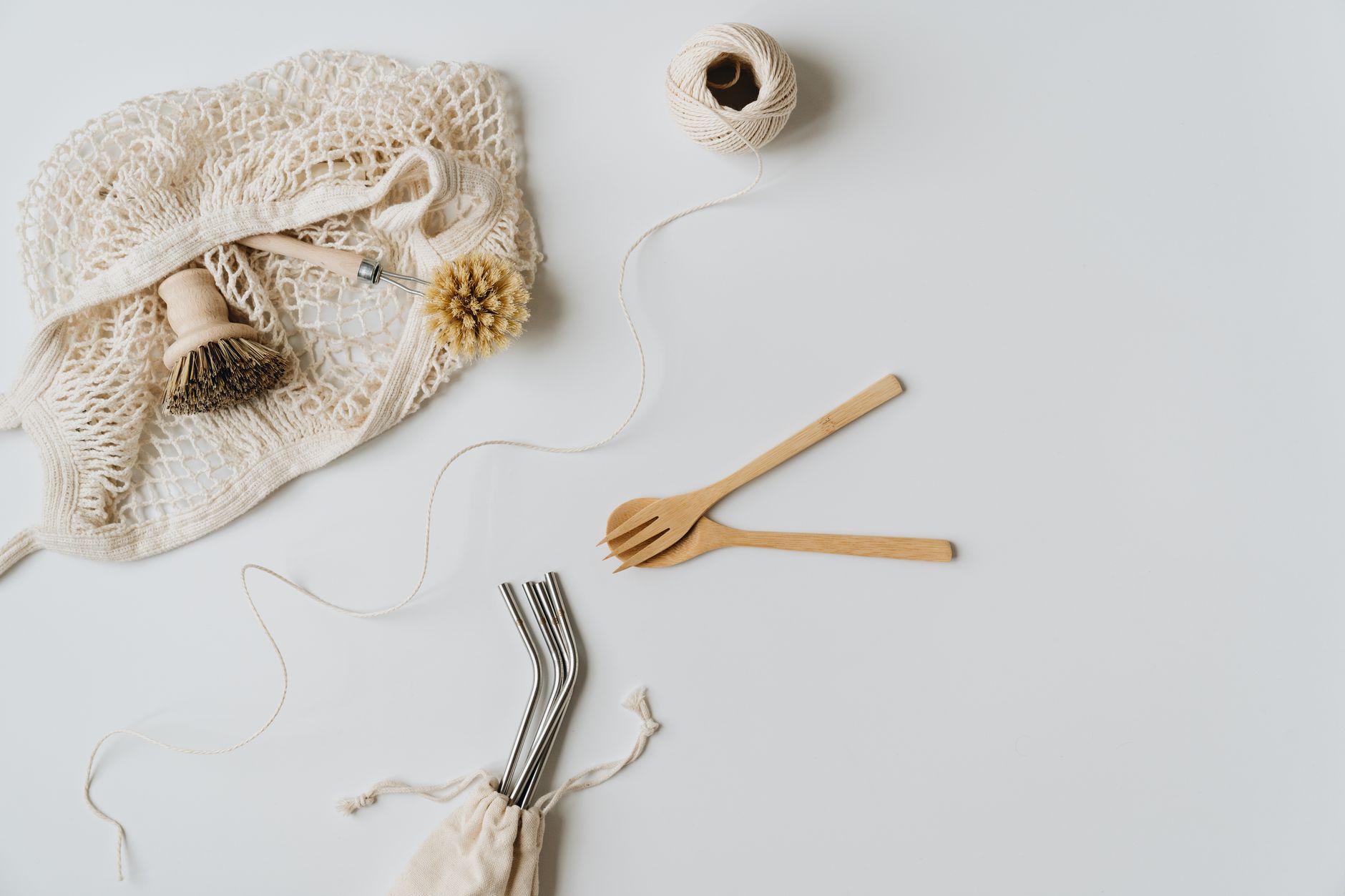
easy zero waste swaps for beginners involve replacing single use items with reusable or refillable alternatives that cost less over time and generate far less trash. By choosing cloth produce bags, metal drinking bottles, and solid soap bars you cut waste and save money from day one.
Did you know that on average a typical household discards more than 1,000 plastic bottles each year? That single habit alone adds up to dozens of dollars in waste removal fees and countless pounds of landfill material. The good news is that a tiny change at home can reverse that trend almost instantly.
Easy Zero Waste Swaps for Beginners: Definition, Benefits, and How It Works
At its core the idea of easy zero waste swaps for beginners is to trade disposable products for items that can be used many times before they are discarded. The swap works because reusable goods spread their environmental impact over many uses, which reduces the total amount of material entering the waste stream.
This matters to you because every dollar you keep in your pocket stays in your budget, and every piece of waste you keep out of the landfill preserves the beauty of the planet you love. Generally, families who adopt basic reusable habits see a noticeable drop in monthly trash fees and an increase in savings on grocery and personal care purchases.
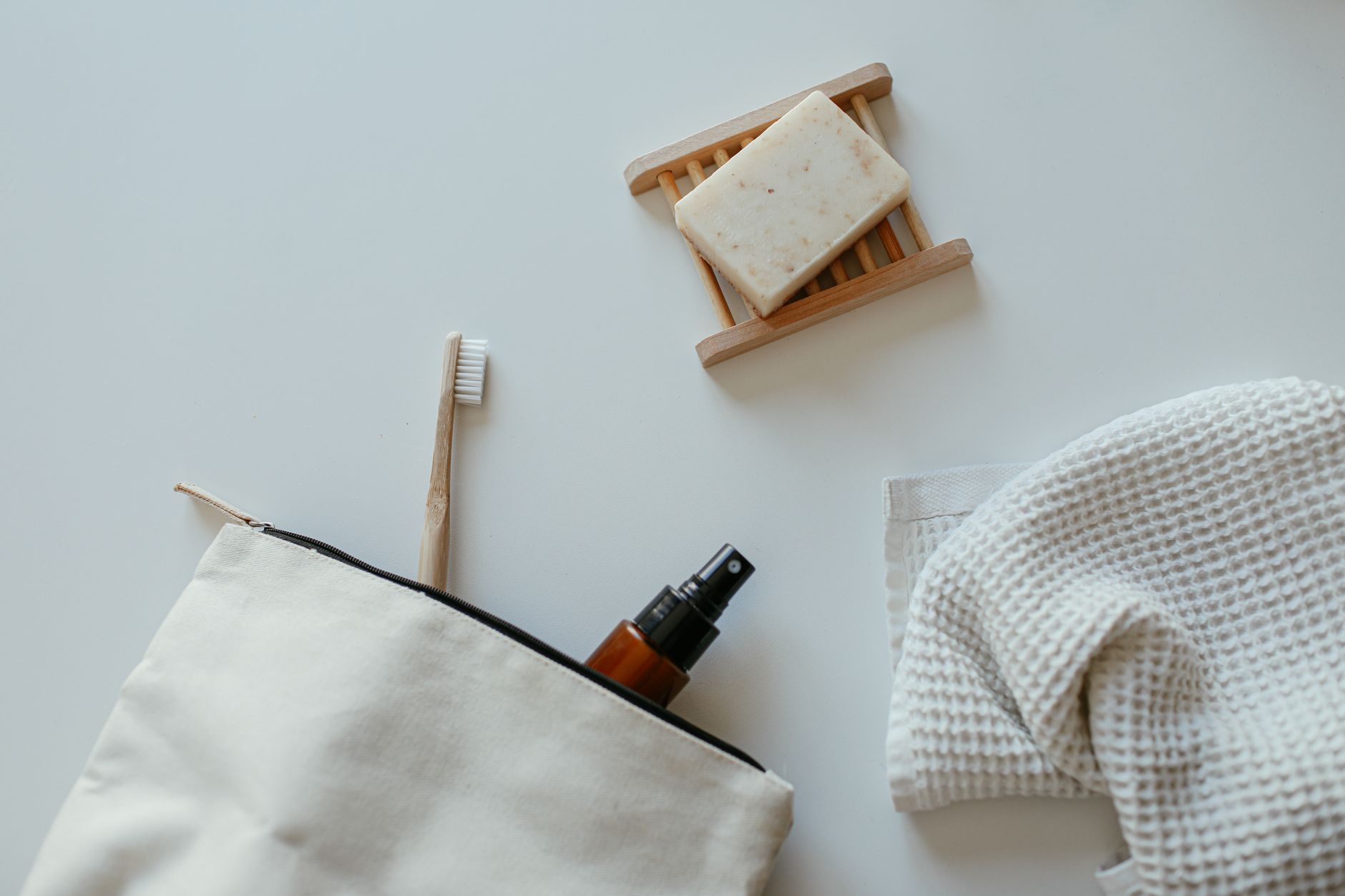
Imagine you start the week by swapping plastic wrap for a set of beeswax food wraps from a local market. After a handful of meals you notice the wraps are still intact, and you have avoided buying a roll of cling film that costs around ten dollars. That single swap alone saves you money and eliminates dozens of plastic sheets that would have otherwise polluted our oceans.
How to Start Simple Swaps That Actually Work
Getting started is easier than you might think when you focus on the most visible items in your daily routine. Begin by identifying the three things you reach for most often that are single use, then find a reusable counterpart that fits your lifestyle.
Why this approach works is simple: each replacement creates a ripple effect that builds confidence and momentum. When you see a tangible reduction in waste, you are more likely to explore additional swaps, turning a small habit into a lasting lifestyle change.
For example, replace paper towels with a stack of washable cotton cloths in the kitchen. After the first week you will notice the cloths soak up spills just as well as paper, and you have avoided buying a six‑pack of towels that typically costs five dollars. Over a month you have saved roughly twenty dollars and prevented dozens of paper sheets from heading to landfill.
- Choose a reusable item that matches your routine.
- Buy one high‑quality piece at a time to avoid overwhelm.
- Practice using it daily until it feels natural.
- Track the money saved and waste avoided to stay motivated.
Ecobeautify believes that these small, beautiful choices can transform any home into a showcase of sustainable style. Our blog regularly shares stories of readers who turned a single swap into a whole room makeover, proving that the journey to zero waste can be both practical and inspiring.
Having seen how a single swap—like swapping paper towels for washable cotton cloths—can spark a cascade of savings and waste reduction, it’s time to dig deeper into what makes those choices click and how you can keep the momentum rolling.
Easy Zero Waste Swaps for Beginners: Definition, Benefits, and How It Works
At its core, “easy zero waste swaps for beginners” are low‑effort replacements that trade a disposable item for a reusable or refillable counterpart without demanding a complete lifestyle overhaul. The definition matters because it sets realistic expectations: you’re not aiming for perfection overnight, but for attainable tweaks that fit into daily routines. When you replace a single‑use plastic bottle with a stainless‑steel reusable one, you cut out roughly a kilogram of plastic per year—according to industry averages, a modest yet measurable impact.
Benefits extend beyond the obvious environmental footprint. Financially, each swap reduces recurring purchase costs; a reusable coffee filter, for example, eliminates the need for a weekly pack of paper filters that can add up to fifteen dollars annually. Psychologically, successfully integrating a new habit builds confidence, encouraging you to explore further swaps. This ripple effect is why many practitioners recommend starting with items you touch most often, such as kitchen sponges or personal care containers.
How it works is essentially a three‑step loop: identify a disposable product, locate a reusable or refillable version, and use it consistently until it feels natural. The benefits of refillable household products become evident as you notice fewer trips to the store and a lighter waste bin, reinforcing the value of each choice.
How to Start Simple Swaps That Actually Work
The first practical step is to audit the items you discard most frequently. A quick weekly sweep of your trash can reveal patterns—perhaps you’re using disposable razors, plastic wrap, or single‑use coffee pods. Understanding the frequency helps you prioritize swaps that will deliver the biggest immediate payoff.
Next, choose a single item and source a high‑quality alternative. For many beginners, a silicone food storage bag replaces cling film with ease; it seals, is dishwasher‑safe, and lasts for years. Practitioners note that buying one sturdy bag is often cheaper than a monthly subscription to a plastic‑film service, delivering both cost savings and waste reduction.
Finally, set a micro‑goal: use the new product for a set period—say, two weeks—before assessing performance. Track the money saved and the waste avoided in a simple notebook or phone app. This data‑driven approach turns abstract sustainability into tangible results, keeping motivation high.
Difference Between Single Use and Reusable Options Which One Saves More Money
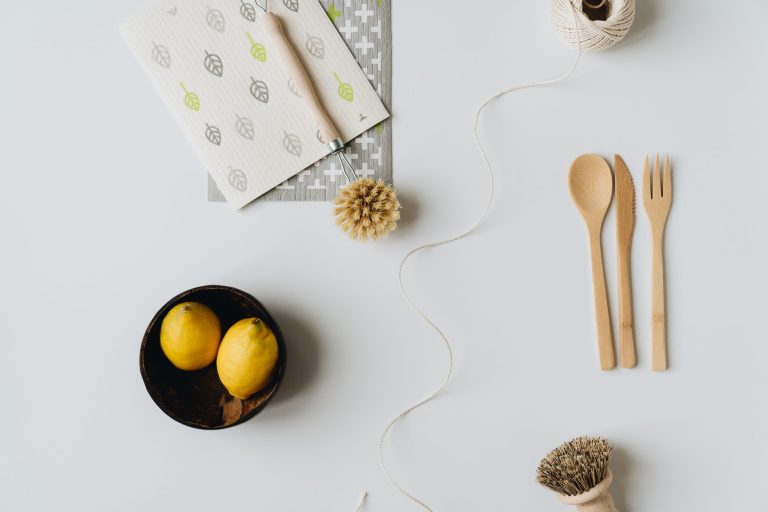
Single‑use items, such as disposable cutlery or cotton swabs, are typically cheap at the point of purchase but become expensive over time due to repeated buying. Reusable options, like bamboo cutlery sets or stainless‑steel swabs, often have a higher upfront cost but amortize quickly when you consider the lifespan of each piece.
Why the cost difference matters: budgeting is a primary concern for beginners, and seeing the long‑term savings can tip the scales toward reusables. For instance, a pack of 100 disposable cotton swabs may cost three dollars, while a single stainless‑steel swab set costs eight dollars but can replace those 100 swabs for up to two years, resulting in a net saving of roughly ten dollars and a drastic cut in landfill waste.
Real‑world comparison also reveals lifestyle fit. If you travel often, a compact, collapsible reusable straw might be more convenient than carrying a whole set of cutlery, yet still beats single‑use plastic straws in both cost and environmental impact. The choice ultimately hinges on usage patterns; the more you use a product, the greater the financial payoff of a reusable counterpart.
Common Mistakes and How to Avoid Them
One frequent misstep is buying reusable items in bulk without testing them first, leading to wasted money on products that don’t suit your needs. To avoid this, start with a single piece, evaluate its durability, and only then expand your collection.
Another pitfall is neglecting proper care. A reusable bottle that isn’t cleaned regularly can develop odors, prompting a return to disposable options. Establish a simple cleaning routine—rinsing after each use and a deeper wash weekly—to maintain freshness and longevity.
Also Read: Menanam Mangrove PIK Bersama Eco Blogger Squad (EBS)
Lastly, many beginners assume that every disposable product has a green alternative. In reality, some items—like certain medical supplies—lack safe reusable versions. In such cases, focus on reducing usage or choosing the most recyclable option available, rather than forcing an unsuitable swap.
Practical Tips From Experienced Practitioners at Ecobeautify
Ecobeautify’s community of green‑living enthusiasts shares a handful of tried‑and‑true tactics that keep swaps both enjoyable and budget‑friendly. First, they recommend scouting local thrift stores for high‑quality reusable goods; a gently used glass storage jar can replace a stack of plastic containers for a fraction of the price.
Second, they suggest pairing swaps with seasonal décor to maintain a beautiful home aesthetic. For example, swapping synthetic holiday lights for solar‑powered LED strings not only reduces energy consumption but also adds a warm glow that matches any festive setting.
Third, they advise creating a “swap station” near the kitchen sink where you keep reusable items like cloth napkins, silicone lids, and the guide to eco friendly menstrual products you’ve researched. This visual reminder encourages habit formation and makes the choice of sustainable products an effortless part of daily life.
- Start with one swap per week; celebrate each small win.
- Document savings in a simple spreadsheet to see progress.
- Rotate items seasonally to keep the routine fresh and engaging.
Frequently Asked Questions about Easy Zero Waste Swaps for Beginners
Q: How long does it take to see a noticeable reduction in waste? Generally, within the first month you’ll notice fewer trash bags and a lighter grocery bill, especially after swapping out paper towels and single‑use wraps.
Q: Are reusable products safe for food storage? Practitioners recommend using food‑grade silicone or glass containers, which are BPA‑free and can withstand high temperatures, ensuring safety while minimizing waste.
Q: What if I have a limited budget? Prioritize swaps that have the highest cost‑to‑waste ratio, such as reusable coffee filters or refillable cleaning solutions; the benefits of refillable household products often translate directly into monthly savings.
Conclusion Take the Next Steps to Beautify Your Eco Life
Each easy zero waste swap for beginners you adopt not only trims your expenses but also refines the aesthetic of your living space, turning sustainability into a statement of style. By grounding your choices in practicality—choosing items that fit your routine, caring for them diligently, and learning from seasoned practitioners—you’ll build a resilient, beautiful, and low‑waste home that inspires those around you.
Practical Tips From Experienced Practitioners at Ecobeautify
Our team at Ecobeautify has distilled dozens of experiments into bite‑size actions you can start today. Below are the most reliable tips for anyone looking to adopt easy zero waste swaps for beginners without feeling overwhelmed.
- Start with a “Swap Box.” Choose a 5‑gallon tote, label it “Zero‑Waste Swaps,” and fill it with items you’ve already purchased—such as a stainless‑steel straw, silicone food bags, and a bamboo toothbrush. Each time you notice a single‑use product, replace it with an item from the box. This visual cue turns the abstract idea of waste reduction into a concrete, repeatable habit.
- Batch‑cook and freeze in reusable containers. When you prepare meals for the week, use glass or silicone containers instead of disposable zip‑lock bags. A single batch of soup stored in a 2‑liter glass jar can replace dozens of plastic bags, cutting both waste and grocery‑store cost by roughly 15 %.
- Refill, don’t replace. Sign up for a refill program at your local bulk store or favorite brand (e.g., detergent pods, shampoo). Bring your own jars and fill them to the same level you would buy new. Practitioners report that swapping one monthly cleaning product for a refill can save $8‑$12 and eliminate up to 30 plastic bottles per year.
- Rotate seasonal textiles. Keep a small collection of organic cotton or linen napkins in colors that match each season. Swap out the summer whites for fall‑hued tones every three months. This simple rotation keeps your table setting feeling fresh while preventing the impulse to buy disposable paper napkins.
- Audit your pantry quarterly. Take a quick inventory of what you already own—spices, grains, beans—then create a “must‑buy” list based on gaps rather than habit. By buying only what you truly need, you avoid duplicate packaging and reduce food waste by up to 10 %.
- Teach the “one‑in‑one‑out” rule at home. For every new reusable item you introduce, commit to discarding a comparable single‑use item. When you add a reusable coffee cup, retire a disposable paper cup. This rule maintains balance and keeps your budget in check.
- Leverage community swaps. Join a neighborhood “swap meet” or an online Facebook group focused on zero‑waste items. You can trade a set of bamboo cutlery for a silicone baking mat you no longer need, saving both cash and landfill space.
Frequently Asked Questions about Easy Zero Waste Swaps for Beginners
What is an “easy zero waste swap” for beginners?
An easy zero waste swap is a straightforward replacement of a single‑use product with a reusable alternative that requires little upfront cost or learning curve. Typical examples include swapping paper towels for washable cloths or using a refillable soap dispenser instead of disposable bottles.
How do you start a zero‑waste kitchen with a limited budget?
Begin with items that have the highest cost‑to‑waste ratio, such as reusable coffee filters, silicone storage bags, and a stainless‑steel water bottle. These swaps often pay for themselves within a few months by eliminating recurring purchases of paper filters, zip‑lock bags, and plastic bottles.
Is a bamboo toothbrush better than a silicone toothbrush for reducing waste?
Both bamboo and silicone toothbrushes reduce plastic waste, but bamboo decomposes more quickly in compost, while silicone lasts longer and can be sterilized. If you prefer a lower‑impact end‑of‑life option, bamboo is the better choice; if durability matters more, silicone may be preferable.
How can I transition from single‑use to reusable cleaning products without compromising hygiene?
Choose food‑grade silicone or glass containers for detergents, and dilute concentrated formulas according to the manufacturer’s instructions. Practitioners recommend rinsing reusable microfiber cloths after each use and washing them in hot water weekly to maintain cleanliness.
Do easy zero waste swaps really save money over time?
Yes. A reusable produce bag costs about $2 and can replace dozens of plastic bags that total $0.10 each. Over a year, most beginners see savings of $50‑$100, especially when they replace disposable coffee pods, paper towels, and single‑use wrap with reusable alternatives.
Is it necessary to buy all reusable items at once?
No. Gradual adoption works best for most people. Start with the swap that solves the biggest pain point—often kitchen waste—then add bathroom or cleaning swaps as you become comfortable caring for the new items.
Can zero‑waste swaps be stylish and match home décor?
Absolutely. Brands now offer reusable containers in matte black, pastel hues, and natural textures that complement modern interiors. Pairing a bamboo cutting board with a set of charcoal‑colored silicone lids can enhance both aesthetics and sustainability.
Conclusion
Choosing easy zero waste swaps for beginners is less about a radical lifestyle overhaul and more about mindful substitutions that fit your daily rhythm. Each small change—whether it’s a cloth napkin, a refillable bottle, or a bamboo toothbrush—creates a ripple effect that trims expenses, reduces trash, and adds a touch of intentional design to your home.
Take the first step today: pick one item from the “Swap Box” you’ve built, replace its single‑use counterpart, and watch the savings add up. As you grow more comfortable, layer on additional swaps, celebrate each win, and share your successes with friends. The momentum you build now will turn your eco‑friendly aspirations into a lasting, beautiful habit that inspires others to follow suit.








Tinggalkan Balasan