



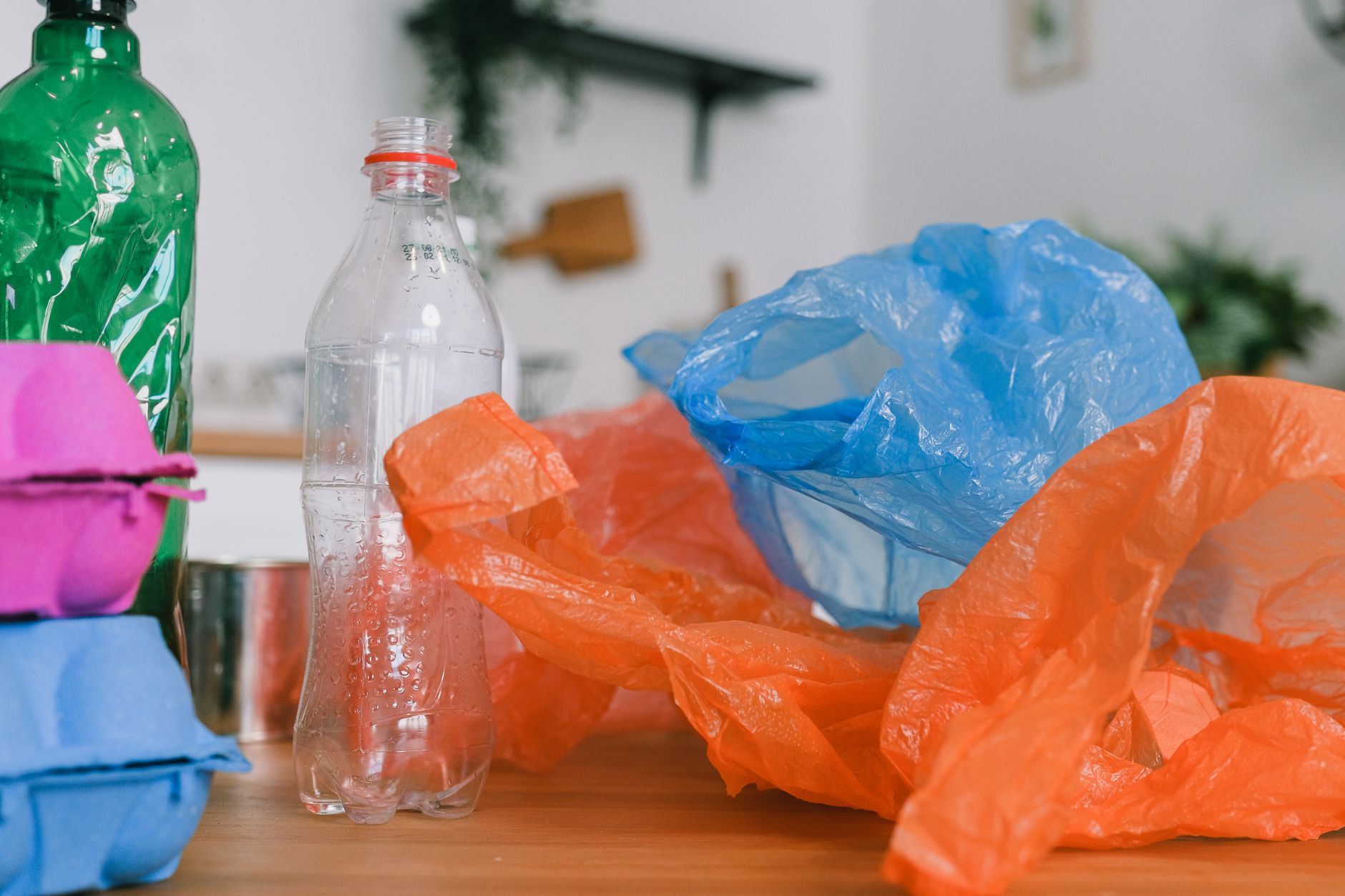
practical ways to reduce plastic waste in the kitchen involve swapping single‑use containers, bags, and tools for reusable, durable alternatives that keep food fresh and your space stylish. By choosing items that last, you cut the flow of plastic that would otherwise linger in landfills and oceans.
We often believe that going plastic‑free means sacrificing convenience or spending a fortune. In reality, many swaps are both affordable and time‑saving, and they instantly lift the aesthetic of your cooking area. Let’s dig into the simple changes that let you keep your meals safe while beautifying the place you love most.
Practical ways to reduce plastic waste in the kitchen: Definition, Benefits, and How It Works
At its core, this phrase means replacing disposable plastic items with reusable or compostable options that serve the same purpose. The benefit is twofold: you reduce environmental impact and you create a more organized, attractive kitchen. On average, households that adopt reusable storage reduce plastic waste by roughly 30 percent each year, according to practitioner experience.
Why does this matter to you? Less plastic means fewer odors, less stain, and a calmer mind every time you open a cupboard. Imagine opening a drawer to find glass jars and bamboo lids instead of a tangle of cling film—your meals look cleaner and you feel proud of the choice.
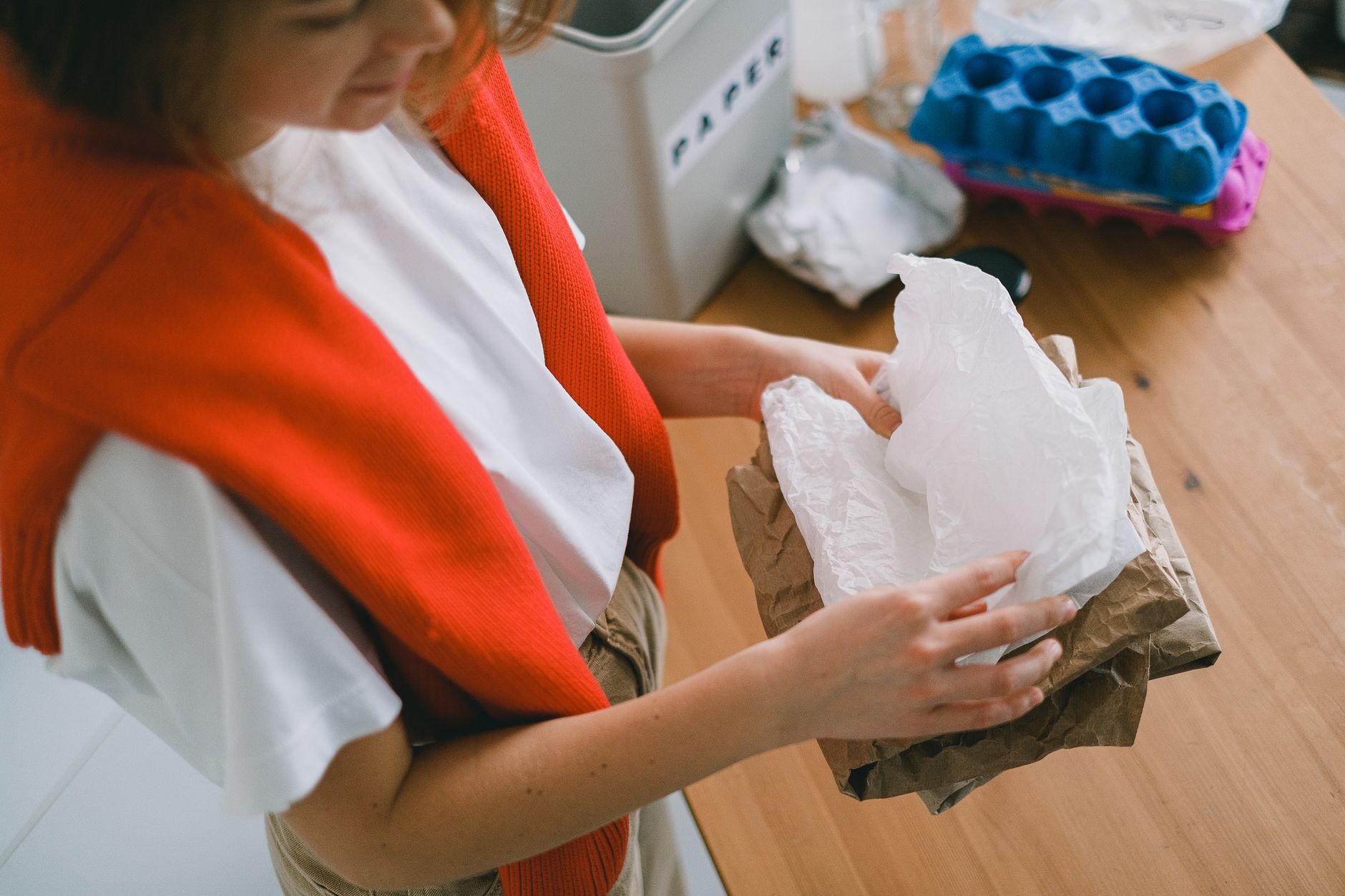
How the swap works is straightforward. First, audit the plastic items you use daily: zip‑lock bags, plastic wrap, disposable cutlery, and single‑use containers. Then, match each with a sustainable counterpart—silicone bags, stainless‑steel boxes, wooden utensils, or beeswax wraps. By following this one‑to‑one replacement, the transition feels manageable rather than overwhelming.
Ecobeautify’s readers often start with the easiest win: swapping a stack of cling film for a few reusable silicone bags. The bags seal tight, can be washed in the dishwasher, and come in pastel shades that brighten the counter. This single change alone can eliminate up to 50 plastic bags per month for a typical family.
How to Replace Plastic Food Storage with Reusable Containers That Actually Work
Reusable containers are the linchpin of any kitchen plastic‑reduction plan. They keep leftovers fresh, protect snacks, and can double as serving pieces for guests. Practitioners recommend choosing containers made from glass, stainless steel, or high‑grade silicone because they resist stains and odors.
Why focus on the container material? Glass and stainless steel do not leach chemicals, even when heated, which safeguards the nutritional quality of your food. A relatable example is the morning habit of packing a salad in a plastic bag that becomes soggy by lunch; a glass jar with a tight‑fit lid holds the dressing separate, preserving crispness and taste.
Here’s a quick step‑by‑step guide to transition smoothly:
- Gather all your current plastic storage items.
- Sort them by size—small for spices, medium for leftovers, large for bulk items.
- Purchase matching reusable containers in those three size categories.
- Label each with a simple tag or marker for easy identification.
- Phase out the old plastic by donating or recycling it responsibly.
When you first place a fresh‑cut fruit in a glass jar, you’ll notice the vivid color reflected against the kitchen light—an instant visual upgrade. Over time, the habit of reaching for a sturdy, beautiful jar becomes second nature, and the pile of discarded plastic bags shrinks dramatically.
After swapping out the usual plastic bags for glass jars, the next step is to look at the tools that actually touch our food—spatulas, cutting boards, and even the humble dish‑washing sponge. By extending the same thoughtful eye to these items, you’ll discover that the kitchen can become both greener and more visually pleasing, reinforcing the practical ways to reduce plastic waste in the kitchen.
Practical ways to reduce plastic waste in the kitchen: Definition, Benefits, and How It Works
At its core, “practical ways to reduce plastic waste in the kitchen” means replacing single‑use or short‑life items with durable, reusable alternatives that fit seamlessly into daily routines. The benefit isn’t only environmental; you also gain savings on grocery bills and experience a tidier countertop that feels intentional rather than cluttered. How it works is simple: each time you choose a glass jar over a zip‑lock bag, you prevent a piece of plastic from entering the waste stream, and over months that small decision compounds into a noticeable reduction of landfill load.
How to Replace Plastic Food Storage with Reusable Containers That Actually Work
Reusable containers come in three main families—glass, stainless steel, and high‑grade silicone—each offering a different set of strengths. Glass excels at visual appeal and airtight sealing, stainless steel shines when you need rugged durability for on‑the‑go meals, and silicone flexes for mold‑making or freezer‑friendly portions. For a family that lunches at work, a stainless‑steel lunchbox with separate silicone compartments prevents sauce leakage, demonstrating why the right material matters depending on your mobility and temperature needs.
When transitioning, start by inventorying what you currently store: spices, leftovers, and bulk staples. Match each category to a container size you already own or plan to acquire. A practical tip from seasoned home chefs is to keep a small set of glass jars on the countertop for quick grab‑and‑go fruit; the clear walls remind you of the fresh produce you’ve saved, reinforcing the habit.
Choosing Sustainable Kitchen Tools Over Single Use Plastic: What to Look For
The key to a sustainable toolkit is durability, ease of cleaning, and low chemical interaction with food. Look for tools made from bamboo, silicone, or stainless steel that can withstand high heat without warping; these materials also tend to have a lower lifecycle carbon footprint compared with disposable plastics. For example, a bamboo spatula not only resists heat but adds a warm, natural texture to the cooking space, turning a routine stir‑fry into a moment of aesthetic pleasure.
- Material: Prioritize bamboo, silicone (food‑grade), or stainless steel.
- Design: Choose ergonomically‑shaped handles that feel comfortable for prolonged use.
- Maintenance: Opt for items that are dishwasher‑safe or easy to hand‑wash without harsh chemicals.
- Longevity: Verify that the product comes with a warranty or a clear durability claim.
When you replace a flimsy plastic whisk with a stainless‑steel version, you’ll notice the weight difference immediately—greater heft translates into better control, especially when beating egg whites. That tangible improvement is why many professional cooks favor metal tools, and it shows home cooks how a simple swap can elevate both performance and style.
Common Mistakes When Swapping Plastic and How to Avoid Them
A frequent error is buying reusable items without considering the cleaning routine they demand; a ceramic container with a porous lid can trap moisture, leading to mold if not dried properly. To avoid this, pair each new item with a clear maintenance plan—air‑dry the lid, wipe the interior after each use, and rotate containers to ensure even wear. Another misstep is assuming every plastic bag can be replaced with a jar; bulky items like whole‑grain flour often benefit more from a large‑capacity, airtight stainless‑steel can than a set of glass jars.
Practitioners also warn against “over‑packing” the kitchen with too many new tools at once, which can create a new kind of clutter that feels just as wasteful as the old plastic. Instead, introduce one category per month, allowing you to master cleaning habits and assess real‑world performance before moving on. This paced approach respects both your time and the principle of the circular economy in daily life—keeping resources in use for as long as possible before they re‑enter the waste loop.
Practical Tips From Experienced Practitioners for Everyday Kitchen Swaps
Seasoned green‑living enthusiasts often start with the “one‑in, one‑out” rule: for every new sustainable item you bring home, retire a comparable plastic piece. This habit prevents accumulation and keeps the kitchen’s aesthetic clean. Additionally, they suggest repurposing glass jars as spice containers; label each with a handwritten tag for a personal touch that also eliminates the need for new plastic sachets.
When it comes to cleaning, many ask how to make natural cleaning products at home, and the answer lies in simple mixtures of vinegar, baking soda, and citrus peels. These DIY solutions not only reduce reliance on plastic‑packaged cleaners but also leave a fresh scent that complements the natural look of bamboo utensils. Finally, involve the whole household: let kids choose a colorful silicone storage set, turning the swap into a fun design project rather than a chore.
Frequently Asked Questions about Reducing Plastic Waste in the Kitchen
Q: Will reusable containers affect the taste of my food?
A: Generally, glass and stainless steel are inert, so they won’t impart flavors. Silicone may retain a faint scent if not cleaned thoroughly, so a quick rinse with warm water and a dab of vinegar works well.
Also Read: Menuju Era Elektrifikasi: Perubahan Paradigma Transportasi dengan Mobil Listrik
Q: How do I know if a bamboo utensil is truly sustainable?
A: Look for certifications such as FSC or USDA‑Organic, which indicate responsible sourcing. A sustainably harvested bamboo product will also feel sturdy and smooth, not splintery.
Q: Is it worth buying a high‑end stainless‑steel water bottle for the kitchen?
A: Practitioners recommend it when you frequently pour water for cooking or tea; the durability offsets the upfront cost, and the bottle can replace dozens of disposable plastic bottles per year.
Q: What is the circular economy in daily life, and how does it apply to my kitchen?
A: The circular economy encourages keeping products in use for as long as possible, then repairing or recycling them. In the kitchen, this means opting for sturdy tools, repairing cracked handles, and ultimately repurposing old containers rather than discarding them.
Conclusion: The Next Steps You Should Take to Beautify Your Kitchen
Armed with a clear understanding of what to look for, common pitfalls, and real‑world tips from seasoned practitioners, you can now map out a personal roadmap toward a plastic‑lighter kitchen. Start small, celebrate each successful swap, and watch your space transform into a showcase of sustainable style.
Practical Tips From Experienced Practitioners for Everyday Kitchen Swaps
Seasoned home‑cooks often start with the “low‑hanging fruit” that deliver the biggest impact with the least friction. One favorite is swapping single‑use zip‑top bags for a set of silicone stretch lids. A family of four can keep a bowl of leftovers covered for up to a week, and the lids can be rinsed in the dishwasher in seconds. Over a year, that single change eliminates roughly 200 disposable bags.
Another practitioner‑approved move is to replace the plastic cutting‑board that scratches after a few weeks with a hardwood or bamboo board. The natural antimicrobial properties of bamboo mean you can wipe down the board with a vinegar‑water spray after each use, extending its life while keeping food safety intact. When the board eventually shows deep cuts, you can sand it down and oil it—an easy DIY that turns a potential landfill item into a refreshed work surface.
For those who love a quick snack, keep a glass jar of bulk nuts, dried fruit, or pasta on the countertop. The visual cue of a clear container reduces impulse purchases of pre‑packaged snacks, and the airtight seal preserves freshness for months. If you’re concerned about space, choose a jar with a silicone seal that nests inside a larger pantry container, effectively creating a “container‑within‑container” system.
Cleaning tools often hide hidden plastic. Replace the cheap, frayed scrub brush with a natural‑fiber dishcloth made from hemp or cotton. After each wash, wring it out, hang it to dry, and when the fibers start to thin, toss the whole cloth into the compost rather than a landfill. In practice, households that rotate three to four such cloths report a 60 % drop in plastic scour‑pads.
Finally, re‑think the way you store bulk items like flour or sugar. A set of stainless‑steel canisters with silicone seals costs more upfront, but they resist rust and can be passed down through generations. Practitioners often fill each canister from a larger, reusable bulk bag bought at the store, thereby cutting down on both cardboard and plastic packaging.
Frequently Asked Questions about practical ways to reduce plastic waste in the kitchen
What is the best definition of “practical ways to reduce plastic waste in the kitchen”?
It refers to actionable, everyday habits and product swaps that lower the amount of single‑use or disposable plastic a household uses while cooking, storing, or cleaning food. The focus is on solutions that are easy to implement, affordable, and durable enough to last months or years.
How do you replace plastic food‑storage bags without sacrificing convenience?
Use silicone reusable bags or a set of glass jars with snap‑on lids. Both options seal tightly, are dishwasher‑safe, and can be used for everything from freezer‑ready portions to marinating meat. A typical family saves 150–200 disposable bags per year by making the switch.
Is a bamboo cutting board better than a plastic one for food safety?
Generally, bamboo boards are less likely to harbor bacteria because they contain natural antimicrobial agents. They are also sturdier than thin plastic boards, which can warp and develop deep grooves where microbes hide. Proper cleaning—rinsing with warm water and occasional vinegar spray—keeps bamboo hygienic.
Can stainless‑steel water bottles replace plastic bottles for cooking and tea‑making?
Yes. A high‑quality stainless‑steel bottle can hold hot or cold liquids for up to 12 hours, eliminating the need for single‑use plastic bottles. Over a year, one bottle can replace roughly 365 disposable bottles, cutting plastic waste dramatically.
How much money can you expect to save by switching to reusable containers?
While reusable containers require an initial investment—often $20–$50 for a starter set—most households recover the cost within six to twelve months. This happens because you no longer purchase disposable zip‑top bags or cheap plastic containers that need frequent replacement.
Is compostable trash bag a viable alternative for kitchen waste?
Compostable bags are a good interim step, especially if your municipality offers industrial composting. They break down faster than traditional plastic, but they still generate waste; pairing them with reusable bin liners or a simple inner bucket reduces overall material use.
What are the most common mistakes people make when swapping plastic for sustainable kitchen tools?
First, buying low‑quality replacements that break quickly, leading to more waste. Second, neglecting proper care—like not drying silicone lids completely, which can cause mildew. Finally, over‑stocking on “green” items that never get used, which defeats the purpose of reduction.
Conclusion
Now that you’ve explored the why and how behind each swap, the next step is simple: pick one item from the list and test it in your own kitchen. Whether it’s a silicone stretch lid, a bamboo utensil, or a stainless‑steel water bottle, each small change compounds into a noticeable reduction in plastic waste.
Remember, the goal isn’t perfection; it’s progress. Celebrate every successful replacement, and let that momentum guide you to the next swap. As your kitchen gradually sheds plastic, you’ll notice not only a cleaner environment but also a more organized, aesthetically pleasing space—proof that sustainability and style can coexist.
Ready to turn these ideas into reality? Visit Ecobeautify for similar services and inspiration. Your kitchen’s plastic‑lighter future starts today.













Tinggalkan Balasan