



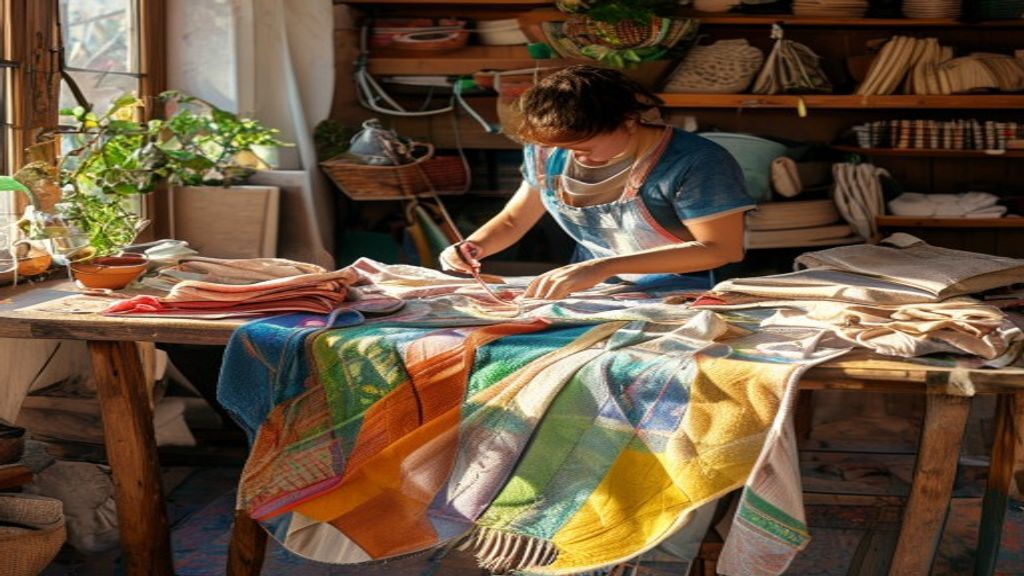
ways to upcycle old t shirts into new items involve transforming worn or outgrown tees into functional pieces such as blankets bags or accessories using simple stitching or cutting techniques.
Imagine you are staring at a drawer overflowing with faded shirts that no longer fit your style.
The fabric feels soft and familiar but the color looks tired.
You wish you could keep the memories without adding another piece of waste to the landfill.
That moment is where creativity meets sustainability and the first step toward a greener wardrobe begins.
Ways to Upcycle Old T Shirts into New Items: Definition and Core Benefits
Upcycling is the practice of turning an existing material into a higher value product without discarding the original fibers.
This matters because it reduces the demand for new textile production which on average consumes large amounts of water and energy.
At Ecobeautify we love sharing ideas that let you enjoy fresh designs while protecting the planet.
One practical benefit is the cost savings you enjoy when you replace a store bought item with a handmade version.
Generally people who upcycle report feeling pride in creating something useful from items that would otherwise be tossed.
For example a friend of mine turned a collection of concert tees into a vibrant wall hanging that now serves as a conversation starter in her living room.
Beyond the financial perks the process offers a therapeutic rhythm as you cut and stitch, a mindful break from digital overload.
By choosing to upcycle you also add a personal narrative to everyday objects, making each piece a reminder of a favorite memory or adventure.
Turn Your Favorite Tee into a Cozy Throw Blanket That Looks Chic
Imagine pulling a soft blanket over your shoulders on a chilly evening and realizing it started as a beloved graphic tee.
The concept is simple: layer several shirts, cut them into strips, and weave or braid them into a warm covering.
Why this matters is that a blanket offers both comfort and style while keeping a piece of your personal history visible.
Consider Jenna who used three vintage band shirts to craft a blanket that now drapes over her couch, adding a splash of color and nostalgia.
Here is a quick step list to guide you through the process:
- Gather 3 to 5 tees that you love the colors of and wash them to remove any residues.
- Lay each shirt flat and cut it into 2‑inch wide strips, discarding the seams if you prefer a smoother edge.
- Stack the strips in alternating colors and tie them together at one end to start a simple braid.
- Continue braiding until you reach your desired length, then knot the opposite end securely.
- Fold the braid into a rectangular shape and stitch the edges together with a basic running stitch.
Because the blanket is made from soft cotton it feels gentle against the skin and breathes well, making it perfect for indoor use.
On average a homemade tee blanket lasts as long as a store bought one when cared for with gentle washing.
When you finish, you have a unique piece that showcases your favorite designs and reduces waste at the same time.
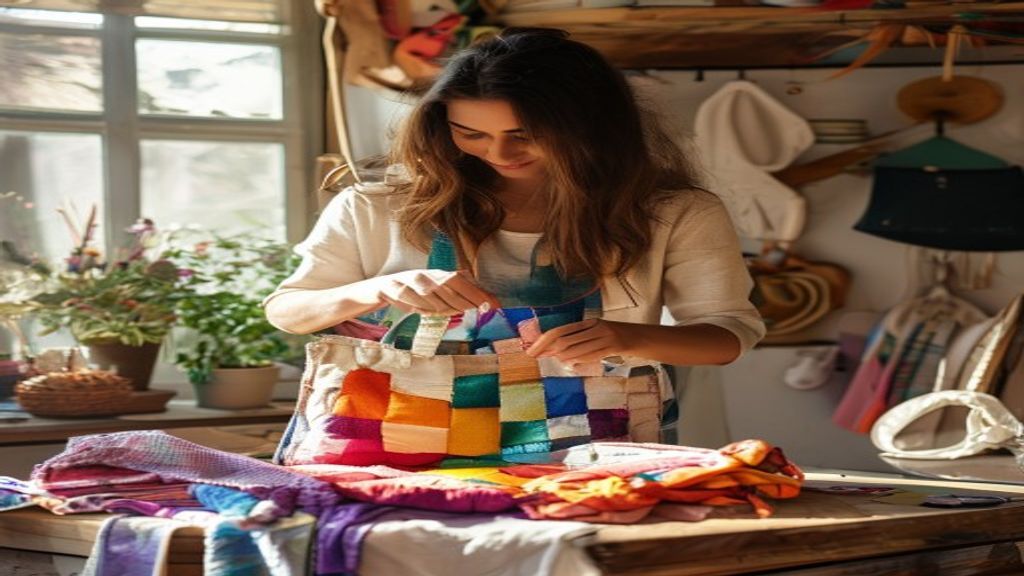
While the blanket gives your living room a cozy upgrade, the next step in the journey is turning a single tee into something you can carry around the block. A tote bag made from a favorite shirt not only saves space in your wardrobe but also lets you showcase a design you love, turning everyday errands into a small style statement.
Create a Stylish Tote Bag From a Single Shirt Using Simple Stitching
At its core, this tote bag project reimagines the body of a T‑shirt as the main panel of a bag, while the sleeves become the handles. By cutting away the excess and reinforcing the seams, you create a sturdy, reusable sack that can hold groceries, books, or beach gear. The method matters because a well‑crafted tote reduces reliance on single‑use plastic bags, directly aligning with what is the circular economy in daily life—where one product loops back into another use rather than ending up in a landfill.
Also Read: Apa yang Terjadi Jika Tikus Punah?
Consider Maya, who rescued a bright‑orange tee from her teenage years and transformed it into a grocery tote. She stitched the bottom edge twice for extra strength, slipped the original sleeves over her shoulders, and added a small interior pocket from the shirt’s collar. The result? A bag that carries her produce with pride while sparking conversations about sustainable fashion every time a neighbor spots the vivid color.
- Lay the shirt flat, cut off the collar and the neckline to form a clean rectangle.
- Turn the shirt inside out; fold the bottom edge up 1‑inch and sew a double hem.
- Re‑turn the fabric, then stitch the side seams, leaving the top open for the handles.
- Reinforce the sleeve openings by folding the fabric inward and stitching a second line of stitching.
- Optional: add a small pocket using the cut‑off collar piece.
When the fabric is still soft, the bag feels lightweight; if the tee has been pre‑washed, the fibers are more resilient, making the tote last longer. Practitioners recommend washing the shirt before cutting to remove any residues that could weaken the stitches. The finished tote not only looks chic but also serves as a tangible reminder that you are part of a broader movement toward a greener lifestyle, echoing the ethos of Ecobeautify’s blog: “Beautify the Eco, One Choice at a Time.”
Beyond the practical side, the tote offers a canvas for personal expression. Whether you keep the original print, dye the fabric a new hue, or add iron‑on patches, each detail turns the bag into a story‑telling piece. This level of customization makes the project especially rewarding for those who enjoy hands‑on creativity while staying true to sustainable values.
Craft a Fun Headband or Hair Tie From Leftover Fabric
Turning scraps into a headband or hair tie is a quick, low‑commitment way to upcycle old T‑shirts into new items that add a pop of color to any outfit. The concept is simple: cut a strip of fabric, fold it into a loop, and secure it with a knot or a small sewn seam. Why this matters is twofold: it prevents small pieces of textile waste from slipping through the recycling system, and it gives you a reusable accessory that can replace disposable hair elastics, which often shed micro‑fibers into waterways.
Take Sam, who salvaged the leftover cuff from a faded band tee and fashioned a headband for a weekend hike. He folded the strip twice, sewed a tiny seam to lock the loop, and slipped it over his hair. The elastic feel of the cotton kept his hair in place without the snapping sound of synthetic bands, and the vintage graphic sparked compliments from fellow hikers who asked where he found such a unique piece.
Because the fabric’s stretch varies by blend, the technique adapts to the material. A 100% cotton tee will hold shape better after a gentle wash, whereas a cotton‑poly blend may need a small elastic band sewn inside to maintain tension. Generally, a strip about 2‑3 inches wide and 12‑15 inches long works well for most head sizes, offering enough surface area for decorative embellishments like beads or embroidered initials.
- Cut a 2‑inch wide strip from the leftover fabric; ensure the length is at least 12 inches.
- Fold the strip in half lengthwise, right sides together, and sew a ¼‑inch seam along the long edge.
- Turn the tube inside out, then fold the ends together and stitch a small knot or a decorative seam to close the loop.
- Optional: add a thin elastic core for extra grip, or embellish with fabric paint.
When you finish, the headband or hair tie becomes a portable reminder of how easy it is to incorporate circular practices into daily style. It also illustrates what is the circular economy in daily life—taking what would be scrap and turning it into a functional, fashionable item. This tiny transformation aligns perfectly with Ecobeautify’s mission to make green living feel modern and accessible.
Beyond personal use, these accessories make charming gifts. Imagine gifting a set of three headbands, each derived from a different tee with its own story. The recipient receives a practical piece, a conversation starter, and a tangible example of sustainable creativity—all wrapped in one thoughtful package.
Common Mistakes When Upcycling T Shirts and How to Avoid Them
Even seasoned crafters stumble over a few avoidable errors. Recognizing them early saves material, time, and frustration.
- Skipping proper measurements. A blanket that’s a few inches too short or a tote that drapes unevenly often traces back to rushed measuring. Always lay your fabric flat, use a ruler, and mark cut lines with chalk before you cut.
- Using the wrong stitch length. Heavy‑weight denim‑like tees need a longer stitch (≈3 mm) to prevent puckering, while lightweight blends benefit from a tighter stitch (≈2 mm). Adjust your sewing machine accordingly.
- Neglecting edge finishing. Raw edges fray after a wash, ruining the look of a cushion cover or headband. Finish seams with a zig‑zag stitch or bind with bias tape for durability.
- Over‑stretching the fabric. Pulling the material while sewing can distort the shape of a tote bag or pillow case. Keep the fabric relaxed and use pins or clips to hold pieces in place.
- Choosing the wrong fabric blend for the project. 100 % cotton works well for blankets and cushion covers, but a polyester‑rich tee holds color better for bright headbands. Match fabric composition to the intended use.
By checking these details before you start, the “ways to upcycle old t shirts into new items” become smoother, more satisfying projects.
Frequently Asked Questions about ways to upcycle old t shirts into new items
What is upcycling a T‑shirt?
Upcycling a T‑shirt means transforming the garment into a new, higher‑value item—such as a tote bag, blanket, or décor piece—rather than discarding it. The process keeps the fabric in use, reduces waste, and often adds personal style.
How do you turn an old T‑shirt into a tote bag?
Start by cutting off the sleeves and neckline of a sturdy tee. Fold the bottom edge up 2 inches, sew a hem, then stitch the side seams to form a pouch. Add a pair of short straps made from the same fabric, and reinforce the bottom with a double‑stitch for extra weight‑bearing capacity.
Is upcycling a T‑shirt better than buying a new tote?
Generally, upcycled totes cost less in materials and have a smaller carbon footprint because they avoid new textile production. They also carry a unique story, which many shoppers value more than a mass‑produced alternative.
Can I upcycle a printed T‑shirt without losing the design?
Yes. Preserve the print by cutting the garment in a way that keeps the graphic intact—often by using the front panel for visible surfaces. If you need to hide seams, use a contrasting fabric for the interior or employ a blind stitch to keep the design front‑and‑center.
How long does it take to make a T‑shirt blanket?
For a standard adult‑size blanket, expect 2‑3 hours of hands‑on work: 30 minutes for cutting, 45 minutes for stitching panels together, and the remainder for finishing edges and optional embellishments. Faster results are possible with a rotary cutter and a serger.
Is sewing the only way to upcycle old T‑shirts?
No. While sewing is common, you can also use fabric glue for quick projects, crochet the material into yarn for blankets, or cut the fabric into strips for braiding into rugs. Each method suits different skill levels and desired outcomes.
Do upcycled T‑shirt projects hold up after washing?
When you finish seams with a strong stitch and avoid harsh chemicals, most upcycled items survive regular machine washes. Adding a fabric softener reduces static, and air‑drying helps maintain shape, especially for blankets and cushion covers.
Conclusion
The journey from a forgotten tee to a cherished accessory proves that creativity and sustainability go hand‑in‑hand. By mastering just a handful of simple stitches and paying attention to fabric choice, you can unlock a world of “ways to upcycle old t shirts into new items” that fit any style or home décor need.
Take the first step today: raid your closet, pick a favorite shirt, and start with the easiest project—perhaps a headband or a tote bag. As you see the tangible results, you’ll feel the reward of turning waste into something useful and beautiful. Let that momentum drive you toward bigger undertakings, like a full‑size blanket or a set of cushion covers, and share your creations with friends to spread the eco‑friendly ethos.
Ready for more inspiration? Visit Ecobeautify for fresh ideas, step‑by‑step tutorials, and a community of creators who believe that greener living can be stylish, personal, and incredibly fun.










Tinggalkan Balasan