



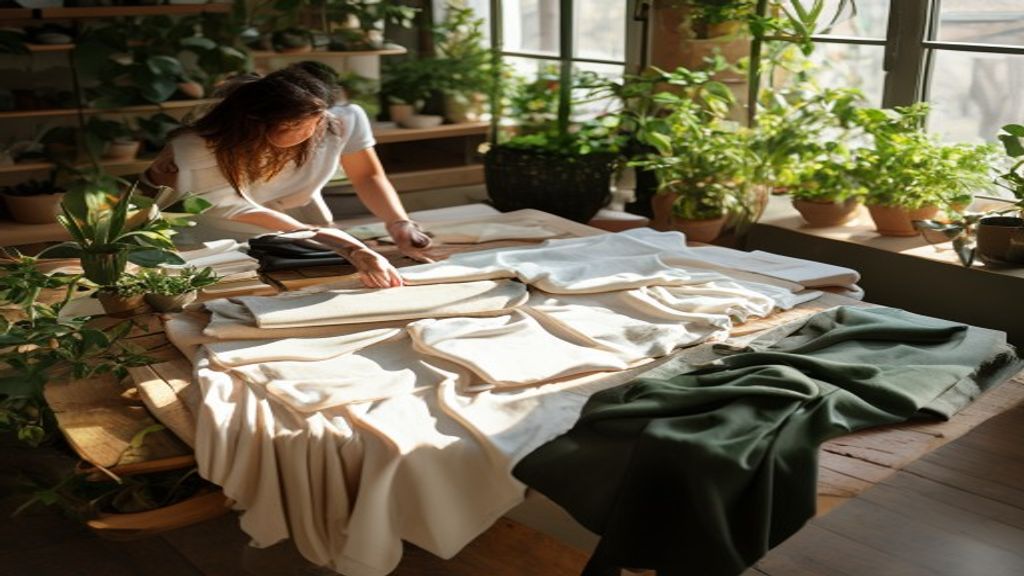
best natural fabrics for a green wardrobe are those derived from renewable plants, processed with minimal chemicals, and designed to endure season after season. They include organic cotton, linen, hemp, Tencel, and responsibly harvested wool. Choosing these fibers reduces water use, cuts greenhouse emissions, and keeps garments in your closet longer.
I’ll be honest, figuring out which fibers truly qualify as the best natural fabrics for a green wardrobe is not easy. The market is flooded with buzzwords and green‑washed claims. That confusion is exactly why this article exists – to give you clear, actionable guidance.
Best natural fabrics for a green wardrobe: Definition, Benefits, and How It Works
Natural fabrics are textiles made from fibers that grow directly from plants or animals without synthetic polymers. Think of cotton fields, flax stalks, or sheep shearing. Because the fibers are biodegradable, they return to the earth without polluting landfills.
These fabrics matter because they demand fewer petrochemical inputs than polyester or nylon. On average, producing one kilogram of organic cotton saves about 2,600 liters of water compared with conventional cotton. That water saving translates into lower strain on local water tables and healthier ecosystems.
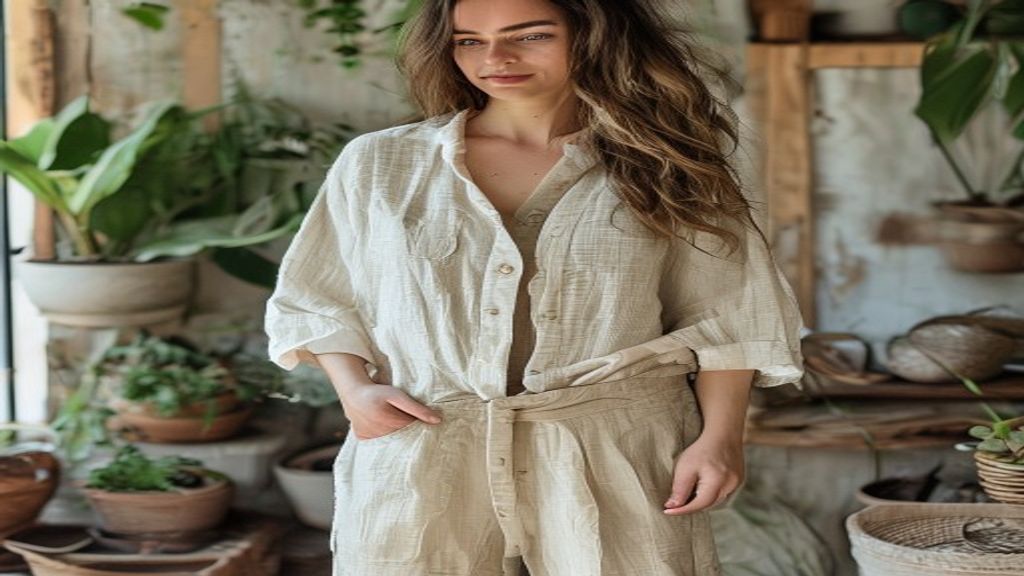
How the sustainability works is simple: the raw material grows in the soil, the plant absorbs carbon, and the fiber is woven into clothing that can be recycled or composted. For example, a linen shirt you wear in summer can be repurposed into insulation for a winter jacket, extending its life cycle.
Ecobeautify often highlights how a single natural piece can anchor an entire outfit. A versatile hemp tote bag, for instance, replaces multiple plastic bags and lasts for years, showcasing the long‑term cost savings of choosing the right fabric.
When you select the best natural fabrics for a green wardrobe, you also gain softness, breathability, and a timeless aesthetic. Organic cotton T‑shirts feel gentle on the skin, while hemp denim develops a unique patina that only improves with wear.
To make these benefits tangible, consider a typical work‑to‑weekend wardrobe. Swapping a polyester blazer for a wool blend reduces microplastic shedding and adds natural insulation. The blazer can be layered in winter and worn alone in spring, proving its adaptability.
Why breathable fibers like organic cotton and linen matter for comfort and sustainability
Breathable fibers allow air and moisture to pass through the fabric, keeping your body temperature regulated. Organic cotton and linen excel at this because their natural weave creates tiny channels for airflow.
This matters to you because comfort drives how often you wear a piece. When a shirt feels cool on a hot day, you are less likely to discard it for a synthetic alternative that traps heat. Studies generally show that comfortable clothing leads to longer use cycles, reducing overall waste.
A real‑world example is a morning commute in a city that swelters in July. Wearing a linen blouse lets sweat evaporate, while a polyester shirt clings and feels sticky. The linen option not only feels better but also requires less frequent washing, saving energy and water.
From a sustainability perspective, fewer washes mean lower detergent use and reduced carbon emissions from laundry cycles. On average, each wash of a cotton garment consumes about 70 liters of water; choosing a breathable fabric that stays fresh longer cuts that number significantly.
Ecobeautify readers often share stories of swapping their gym tees for organic cotton. One reader noted that after three months of use, the cotton tees still felt as soft as new, while her synthetic ones showed pilling and odor. That durability illustrates why breathable, natural fibers are a cornerstone of a green wardrobe.
Finally, breathable fabrics support skin health. They reduce the risk of irritation and fungal growth that can occur with moisture‑trapped synthetics. By opting for organic cotton or linen, you protect both your comfort and the planet.
Best natural fabrics for a green wardrobe: Definition, Benefits, and How It Works
When we say “best natural fabrics for a green wardrobe,” we refer to fibers that originate from renewable plants or animals and require minimal chemical processing. Cotton, linen, hemp, bamboo, and Tencel each fit this definition, but they differ in water use, pesticide reliance, and biodegradability. The benefit lies in the fabric’s life‑cycle impact: a lower carbon footprint during production and a gentler end‑of‑life scenario when the garment is composted or recycled.
Because these fibers breathe, they tend to stay fresh longer, prompting wearers to discard items less frequently. A practical illustration comes from a commuter who swapped a polyester blazer for a hemp‑blended coat; after a season of rain, the hemp coat retained its shape while the synthetic one sagged and emitted a plastic odor. That durability translates into fewer purchases, which directly reduces textile waste—a cornerstone of what is slow fashion and why it matters.
Why breathable fibers like organic cotton and linen matter for comfort and sustainability
Breathability means the fabric allows air and moisture to pass through, keeping skin cool in summer and warm in winter. Organic cotton and linen excel here because their natural cell structures create tiny channels that facilitate evaporation. Comfort matters because people are far more likely to keep a garment they enjoy wearing, extending its usable life.
Consider a seaside café employee who works eight hours under the sun. Wearing an organic‑cotton shirt, the sweat evaporates quickly, preventing the fabric from clinging and staining. In contrast, a synthetic alternative traps moisture, leading to early wear, odor buildup, and a need for frequent laundering. Each avoided wash saves roughly 70 liters of water, reinforcing the sustainability loop.
How to choose fabrics that last longer and reduce waste
Choosing durability starts with looking at fiber strength, weave tightness, and finishing processes. Hemp, for example, boasts a tensile strength comparable to steel fibers, while a tight plain weave resists snagging. When a fabric endures repeated washes without pilling, it stays in rotation longer, curbing the “throw‑away” culture that fuels landfill growth.
Ecobeautify readers often ask what is slow fashion and why it matters; the answer circles back to longevity. A shopper who opts for a blended linen‑cotton shirt will notice that the material softens with wear yet retains its shape, unlike a cheap polyester tee that loses its form after a few cycles. By prioritizing such resilient pieces, consumers shrink their wardrobe turnover and cut down textile waste.
Difference between hemp and bamboo: Which one fits your style and values
Both hemp and bamboo are praised for sustainability, yet they differ in growing conditions and tactile qualities. Hemp thrives on marginal land, needs little water, and naturally repels pests, while bamboo grows rapidly in warm climates and often requires more intensive processing to turn into fabric. The resulting textures reflect these origins: hemp feels slightly crisp and stiff at first, softening after washes; bamboo feels silky and drapes like a lightweight jersey.
If you favor a rugged aesthetic suited for workwear or outdoor adventures, hemp aligns with that vibe and resonates with a low‑input agricultural philosophy. Conversely, a city dweller seeking a flowy summer dress might gravitate toward bamboo’s smoothness, even though its production can involve chemical solvents. Knowing these nuances helps you match fabric to both personal style and ethical considerations.
Common mistakes when shopping for natural fabrics and how to avoid them
A frequent error is assuming any “natural” label guarantees sustainability. Some brands market “organic” cotton that still undergoes heavy dyeing, or they blend natural fibers with synthetic polymers that diminish biodegradability. Another pitfall is overlooking fabric weight; a lightweight linen shirt may tear quickly if the weave is too loose for active wear.
To sidestep these traps, examine certifications such as GOTS (Global Organic Textile Standard) and trace the supply chain back to the farm. Look for transparent finish descriptions that avoid harsh chemicals. By asking these questions, you align your purchases with the principles of slow fashion and protect your wardrobe from premature failure.
Practical tips from Ecobeautify for building a lasting green wardrobe
Ecobeautify’s community has distilled sustainable shopping into a handful of actionable steps. First, create a capsule list of essential items—t-shirt, shirt, trousers, and outerwear—each made from a different natural fiber to diversify performance. Second, invest in quality over quantity: a well‑crafted hemp jacket will outlast three cheap polyester jackets combined.
- Check the garment’s care label; fabrics that require low‑temperature washing save energy.
- When a seam frays, learn how to repair clothes for beginners; a simple stitch can extend life by months.
- Rotate your pieces seasonally to reduce wear frequency.
- Support brands that publish transparent sourcing reports.
Finally, treat your wardrobe as a living garden: prune, mend, and repurpose pieces as your style evolves. This mindset transforms shopping from a disposable habit into a mindful curation, echoing Ecobeautify’s tagline, “Beautify the Eco, One Choice at a Time.”
Also Read: My Top 10 Easy Zero Waste Beauty Swaps (A Beginner’s Guide!)
Frequently Asked Questions about best natural fabrics for a green wardrobe
Q: Are all natural fibers automatically eco‑friendly? Not necessarily; the cultivation method and finishing processes determine the true impact. For instance, conventionally grown cotton often consumes more water and pesticides than organic variants.
Q: How does the fabric’s origin affect its carbon footprint? Fibers like hemp, which grow without irrigation, generally have a lower embodied carbon than water‑intensive crops such as conventional cotton.
Q: Can I mix natural and synthetic fibers without compromising sustainability? Mixing can improve durability, but it complicates recycling. If you prioritize end‑of‑life options, aim for 100% natural blends.
Q: What are the best ways to care for natural fabrics? Wash in cold water, avoid heavy tumble‑drying, and air‑dry when possible. These practices preserve fiber integrity and reduce energy consumption.
Conclusion: Your next steps toward a beautiful sustainable closet
Armed with the knowledge of how breathable, resilient, and responsibly sourced fabrics function, you can now curate a wardrobe that feels as good as it looks. The next phase involves putting the tips into action—selecting pieces that align with your lifestyle, repairing minor damages, and celebrating each garment’s lifespan. By embracing the best natural fabrics for a green wardrobe, you not only refine your personal style but also contribute to a healthier planet.
Practical tips from Ecobeautify for building a lasting green wardrobe
Start with a “fabric audit.” Pull out every shirt, pair of pants, and accessory you own and note the material label. You’ll quickly see which pieces are already natural (organic cotton, linen, hemp) and which are synthetic blends that could be swapped out. This simple inventory helps you spot low‑impact gaps and prioritize future purchases.
When you add a new item, ask yourself three quick questions: Is it made from a renewable fiber? Does the brand use low‑impact dyeing or finishing? Can the garment be repaired, reused, or recycled at the end of its life? Answering “yes” to at least two of these ensures you stay on the path of the best natural fabrics for a green wardrobe.
Invest in versatile staples that work across seasons. A classic hemp twill shirt, for example, pairs nicely with linen shorts in summer and a recycled‑wool cardigan in winter. Because hemp and linen are naturally breathable, you’ll rarely need to layer for temperature regulation, which reduces laundry loads and saves energy.
Learn basic mending skills. A few stitches can extend the life of a cotton T‑shirt by years. YouTube tutorials on hand‑sewing a hem or reinforcing an elbow can turn a “don’t wear it anymore” mindset into a “let’s fix it” habit. The more you repair, the fewer garments end up in landfill.
Choose “closed‑loop” brands whenever possible. Companies that take back old garments for fiber regeneration—like those using reclaimed bamboo or recycled cotton—close the material loop and keep the carbon footprint low. Look for certifications such as GOTS (Global Organic Textile Standard) or the Cradle‑to‑Cradle® label as quick markers of responsible sourcing.
Mind your laundry routine. Wash natural fabrics in cold water, use a gentle detergent, and skip the dryer when you can. Air‑drying not only conserves energy but also allows fibers like linen to soften naturally, extending their wearability. Adding a cup of white vinegar to the rinse cycle can help set colors and reduce static without harsh chemicals.
Plan a “capsule” approach for each season. Assemble a core set of 5‑7 pieces—perhaps a hemp dress, an organic‑cotton tee, a linen blazer, and a pair of bamboo joggers—that can be mixed and matched effortlessly. When the capsule feels complete, you’ll be less tempted to buy impulse items that don’t align with your sustainable goals.
Finally, track your impact. Apps like Good On You or the Ecobeautify “Wardrobe Tracker” let you log each purchase, estimate water saved, and calculate the reduction in carbon emissions compared with conventional fabrics. Seeing concrete numbers can be surprisingly motivating, turning abstract ideals into measurable progress.
Frequently Asked Questions about best natural fabrics for a green wardrobe
What are the best natural fabrics for a green wardrobe?
The top choices are organic cotton, linen, hemp, and responsibly sourced bamboo. These fibers are renewable, biodegradable, and require less water or chemicals than conventional cotton. They also tend to be durable, making them ideal for long‑lasting garments.
How do I identify if a fabric is truly natural?
Check the garment’s label for certifications such as GOTS, OEKO‑Tex, or USDA Organic. Look for terms like “organic,” “certified,” or “100% natural.” If the label lists a blend (e.g., 70% cotton / 30% polyester), the fabric is not fully natural.
Is hemp better than bamboo for sustainability?
Generally, hemp outranks bamboo in sustainability because it grows without irrigation, needs no pesticides, and enriches the soil. Bamboo can be sustainable when harvested responsibly, but many commercial bamboo fabrics undergo chemical processing that reduces their eco‑benefits.
How can I care for natural fabrics to make them last longer?
Wash in cold water, use a mild detergent, and avoid high heat in the dryer. Air‑drying is best; if you must tumble‑dry, choose a low‑heat setting. Store garments in a cool, dry place and handle stains promptly with gentle spot‑cleaning.
Can I mix natural and synthetic fibers without harming the environment?
Mixing can improve durability, but it complicates recycling because the fibers must be separated. If you choose blends, prioritize those with a higher percentage of natural fibers (e.g., 80% organic cotton / 20% recycled polyester) and plan for end‑of‑life recycling where possible.
How much water does organic cotton save compared to conventional cotton?
On average, organic cotton uses about 30% less water than conventional cotton because the plants are better adapted to local rainfall. This reduction varies by region, but the overall trend shows a clear water‑saving advantage.
Why does the carbon footprint of linen feel lower than that of cotton?
Linen comes from flax, which thrives on marginal land and requires minimal irrigation or pesticides. Its production emits roughly 30% less CO₂ per kilogram of fiber compared with conventional cotton, making linen a lower‑impact option for many climates.
Conclusion
Now that you’ve mapped the terrain—from the science behind breathable fibers to the practical steps for extending garment life—you’re equipped to weave the best natural fabrics for a green wardrobe into your daily routine. The real power lies in small, consistent actions: swapping a synthetic tee for an organic‑cotton one, repairing a torn hem instead of discarding the shirt, or choosing a hemp dress that will age beautifully over seasons.
Take the next step today. Head to your favorite sustainable retailer or explore the curated collection at Ecobeautify, and add at least one new piece made from hemp, linen, or certified organic cotton. Pair it with the practical tips you’ve just learned—mindful washing, capsule styling, and quick repairs—and watch your closet evolve into a living testament to style and stewardship.
Remember, a greener wardrobe isn’t a destination; it’s a habit that grows with each thoughtful purchase. By championing the best natural fabrics for a green wardrobe, you’re not only curating a timeless aesthetic—you’re also nurturing the planet that inspires it. Let your clothes tell the story of conscious choices, and let every outfit be a celebration of both personal expression and environmental care.









Tinggalkan Balasan