



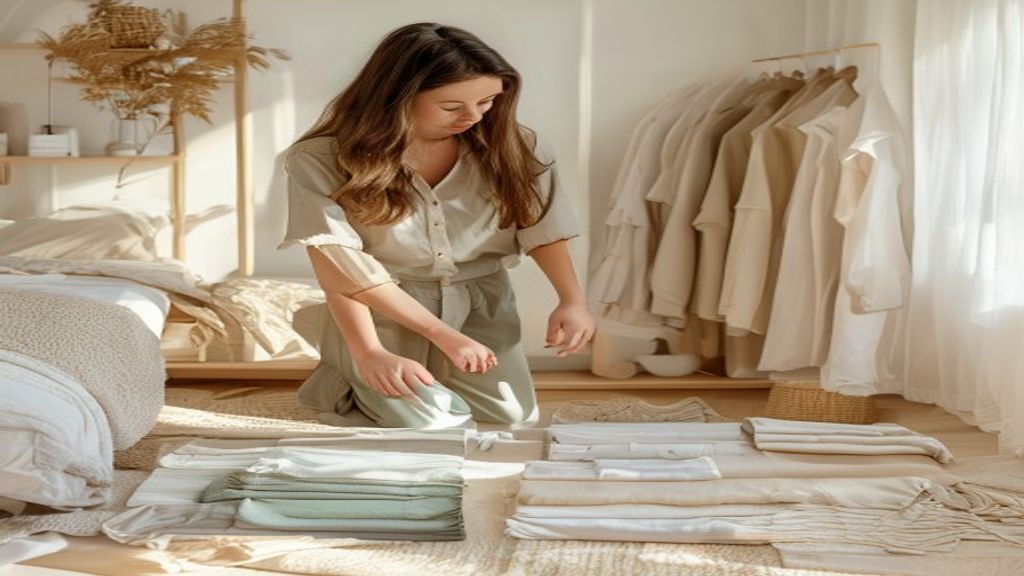
how to build a sustainable capsule wardrobe means selecting a limited number of versatile, high‑quality pieces that you love and that work together across seasons, while choosing items made from environmentally responsible materials and produced under fair conditions.
I was staring at a pile of fast fashion tees that had lost their shape after a single wash. My credit card bill glowed with regret and the closet felt chaotic. That moment sparked a decision to change the way I dress.
How to Build a Sustainable Capsule Wardrobe: Definition, Benefits, and How It Works
A sustainable capsule wardrobe is a curated collection of timeless garments that can be mixed and matched to create a full range of outfits. The idea is to own fewer items, but each piece should serve multiple purposes and last for years. This approach reduces the impulse to buy trends that fade quickly.
Why does this matter to you? Fewer purchases mean less clutter, lower spending, and a smaller carbon footprint. On average, people who adopt a capsule wardrobe cut their clothing expenses by up to thirty percent.
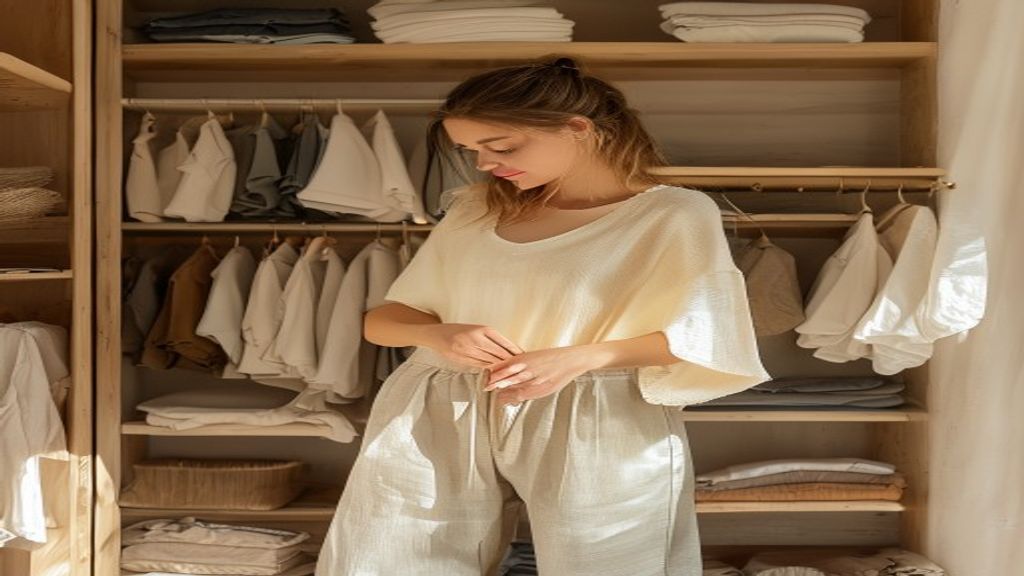
Consider Maya, a freelance designer who reduced her wardrobe to 30 pieces made from organic cotton and recycled polyester. She now spends half the money she used to on clothes and feels confident every morning because each item fits her style and values.
Here is a simple step‑by‑step process you can follow:
- Identify your core colors – neutrals like navy, gray, and ivory work well together.
- Choose a base layer such as a classic tee or linen shirt.
- Add a versatile bottom like straight jeans or a midi skirt.
- Select a statement piece that reflects your personality, like a silk blouse or a wool coat.
- Round out the set with accessories that can be reused season after season.
Each step encourages you to ask, “Does this item align with my style, my values, and my budget?” The answer guides your selection and keeps the wardrobe lean.
Ecobeautify often highlights brands that prioritize low‑impact dyes and circular production. By sourcing from these suppliers, you reinforce the positive loop of sustainable consumption.
Why a Capsule Wardrobe Reduces Waste and Saves Money
A capsule wardrobe cuts waste by limiting the number of garments that end up in landfills each year. When you own fewer items, you naturally buy less, which means manufacturers produce fewer pieces and emit less greenhouse gases.
This matters because textile waste is one of the fastest growing streams in the United States. Generally, on average, a single adult discards about seventy kilograms of clothing annually. Reducing your closet size directly tackles that statistic.
Take the example of Carlos, who swapped his habit of buying a new outfit every month for a capsule of thirty pieces. Over a year he saved roughly eight hundred dollars and his wardrobe’s carbon impact dropped dramatically.
The financial benefit is immediate. By focusing on quality over quantity, each purchase becomes an investment that lasts years instead of months. This shift also frees up budget for experiences that enrich your life, such as travel or a cooking class.
In practice, the reduction in waste translates to fewer trips to the dry cleaners, less laundry detergent usage, and lower energy consumption from washing. All of these small savings add up, reinforcing the value of a thoughtful, sustainable closet.
Beyond the financial and environmental gains, the real power of a capsule wardrobe lies in the pieces you choose. When you focus on quality over quantity, every garment becomes a trusted ally rather than a fleeting trend. This mindset is at the heart of how to build a sustainable capsule wardrobe that feels personal, resilient, and stylish.
How to Choose Quality Pieces That Last and Align With Eco Values
Quality pieces start with material honesty. Natural fibers such as organic cotton, linen, and wool often enjoy longer lifespans because they breathe, resist pilling, and soften gracefully with wear. In contrast, synthetic blends can feel cheap and shed micro‑fibers after just a few washes, which adds to the environmental impact of fast fashion packaging that ends up in landfills. Practitioners recommend checking certifications like GOTS for cotton or Bluesign for recycled polyester to verify responsible sourcing.
Why does this matter? Durability translates directly into cost‑per‑wear savings; a well‑made jacket may cost $150 but serve you for a decade, effectively costing $15 per year. Moreover, each avoided purchase reduces demand for new textile production, thereby lowering greenhouse‑gas emissions associated with manufacturing and the waste generated by discarded garments. In practice, the difference between a flimsy polyester tee and a sturdy organic cotton shirt can be the deciding factor between tossing an item after six months versus cherishing it for years.
Consider Maya, who curated her capsule by prioritizing timeless silhouettes and mindful fabrics. She chose a recycled‑polyester blazer after learning about the differences between recycled polyester and organic cotton; the blazer offered water resistance and a sleek look, while her organic‑cotton tees provided day‑long comfort and biodegradability. By mixing these two categories, Maya achieved a balanced wardrobe that feels both polished and planet‑friendly, proving that strategic material choices can coexist harmoniously.
- Inspect seams: Double‑stitched or reinforced seams indicate durability.
- Feel the fabric: Natural fibers should feel soft yet substantial; synthetic fabrics often feel overly slick.
- Check care labels: Garments that require gentle cycles or hand wash are usually crafted for longevity.
- Research brand transparency: Companies that disclose their supply chain, like Ecobeautify’s recommended brands, tend to uphold higher ethical standards.
- Prioritize timeless design: Classic cuts resist trend fatigue and stay wearable across seasons.
When you align each purchase with these criteria, you build a capsule that truly reflects your values and reduces the environmental impact of fast fashion packaging. The result is a wardrobe that supports your lifestyle while honoring the planet.
Also Read: Ini 8 Tips Membaca Buku Agar Tidak Ngantuk Lagi!
Common Mistakes and How to Avoid Them
One frequent misstep is over‑optimism: assuming a capsule can be assembled in a single weekend without assessing existing pieces. This often leads to impulse buys that duplicate what you already own, inflating both cost and closet clutter. A more measured approach—cataloguing current items, noting gaps, and buying only what truly fills those gaps—keeps the process intentional.
Another pitfall is neglecting fit and comfort. A beautifully sourced organic cotton dress may look perfect on a hanger but feel restrictive on the body, prompting you to store it—and eventually discard it—out of frustration. Practitioners advise trying on each candidate in multiple positions (sitting, walking, bending) to ensure longevity in daily wear, which also safeguards against the hidden waste caused by ill‑fitting garments.
Lastly, many newcomers focus solely on aesthetics, overlooking the care routine required for sustainable fabrics. For example, a delicate Tencel blouse demands low‑temperature washing and air‑drying; ignoring these guidelines can cause premature wear, turning a promising piece into a wasteful purchase. Educating yourself on proper maintenance—something Ecobeautify frequently highlights—extends the life of each item and reinforces the capsule’s eco‑centric purpose.
- Don’t buy “just in case”: Verify that each new item solves a specific need.
- Avoid trend‑driven pieces: Choose neutrals and classic cuts that transcend seasons.
- Mind the fabric care: Follow manufacturer instructions to prevent unnecessary wear.
- Steer clear of fast‑fashion packaging: Opt for sellers who ship in recyclable or minimal packaging.
- Re‑evaluate regularly: Quarterly audits help you spot items that no longer serve you.
By recognizing these common mistakes and actively steering clear of them, you stay on track to master how to build a sustainable capsule wardrobe that feels effortless and purposeful. The journey becomes less about avoiding pitfalls and more about cultivating a curated collection that celebrates both style and stewardship.
Practical Tips from Seasoned Capsule‑Wardrobe Curators
Below are ten bite‑size actions you can start today. Each tip is rooted in the experiences of people who have already mastered how to build a sustainable capsule wardrobe, so you won’t have to reinvent the wheel.
- Start with a “one‑week audit.” Pull out every top, bottom, and outerwear piece you own and lay them out on your bed. Keep only the items you actually wore in the past seven days. In my own audit, I discovered that a bright orange cardigan I bought on impulse had never left the closet – it was instantly removed.
- Choose a “core colour palette” of three neutrals. Pick shades that complement each other—think charcoal, ivory, and muted olive. A navy blazer paired with a beige trench and a white T‑shirt instantly creates five outfits, proving that colour harmony multiplies mix‑and‑match potential.
- Invest in one versatile “transformable piece.” Look for garments with reversible or adjustable features, such as a reversible denim jacket (black on one side, indigo on the other) or a wrap dress that can be worn as a midi or a maxi. These items count as two pieces while occupying the space of one.
- Apply the “90‑day rule” for new purchases. When you add an item, set a calendar reminder. If you haven’t worn it within 90 days, reconsider keeping it. One of my readers, a graphic designer, returned a high‑priced silk shirt after three months of non‑use, recouping 60 % of the cost through resale.
- Schedule quarterly “capsule refreshes.” Every three months, reassess your collection. Swap out seasonal pieces (e.g., a lightweight linen shirt for a heavyweight flannel) and donate any garments that no longer fit your style or values.
- Bundle purchases with “care kits.” When you buy a Tencel dress, also buy a mesh laundry bag, a gentle detergent, and a wooden hanger. This ensures proper care from day one and reduces the risk of premature wear.
- Leverage “second‑hand treasure hunts.” Visit local thrift stores or reputable resale platforms that verify authenticity. A client found a vintage cashmere sweater for 40 % of the retail price; the piece lasted three seasons longer than a new fast‑fashion alternative.
- Document each piece with a simple spreadsheet. Record brand, fabric, purchase price, and care instructions. This practice, championed by the zero‑waste community, helps you see the true cost per wear and spot gaps in your wardrobe.
- Adopt a “one‑in, one‑out” mindset. For every new item you bring home, responsibly discard or donate an existing piece. The habit keeps your closet size stable and encourages thoughtful buying decisions.
- Experiment with “layer‑first styling.” Before reaching for accessories, try layering basics in new ways—e.g., a thin white tee under a patterned shirt, or a cardigan over a dress. This habit expands outfit options without adding new items.
Frequently Asked Questions about How to Build a Sustainable Capsule Wardrobe
What is a sustainable capsule wardrobe?
A sustainable capsule wardrobe is a deliberately limited collection of clothing that prioritises quality, timeless design, and eco‑friendly materials. By owning fewer, longer‑lasting pieces, you reduce textile waste and minimize the environmental impact of production and disposal.
How do you choose the right number of pieces for a capsule wardrobe?
Most practitioners start with 30–40 items, including shoes and accessories, for a full year. Adjust the count based on climate and lifestyle; a student in a warm city may opt for 25 core pieces, while someone with a formal office job might need 45 to cover varied dress codes.
Is a capsule wardrobe more expensive than fast fashion?
Initially, the upfront cost can be higher because you’re buying higher‑quality fabrics. However, because each piece is worn many more times, the cost per wear often ends up lower. For example, a $150 organic cotton shirt worn 50 times costs $3 per wear, compared to a $30 fast‑fashion tee worn five times at $6 per wear.
How do you maintain sustainability when shopping for new items?
Focus on brands that use certified organic cotton, recycled polyester, or Tencel, and that disclose their supply chain. Look for third‑party certifications like GOTS or Bluesign. Buying from companies that ship in recyclable packaging further reduces your carbon footprint.
Can you incorporate trends without losing the capsule’s purpose?
Yes—by treating trends as “accent pieces” that sit outside your core 30 items. A seasonal patterned scarf or a limited‑edition sneaker can add freshness without expanding the permanent capsule. Just ensure the trend piece complements your existing colour palette.
How often should you reassess your capsule wardrobe?
Quarterly reviews work well for most people. During each audit, try on every garment, note any wear, and ask whether it still meets your style or functional needs. Items that fail either test can be donated, repaired, or up‑cycled.
Is it better to buy second‑hand or new sustainable clothing?
Both options have merit. Second‑hand garments extend the life of existing resources and often come at lower prices. New sustainable pieces guarantee responsible production practices. A hybrid approach—mixing high‑quality new basics with curated vintage finds—offers the best of both worlds.
Conclusion
Building a sustainable capsule wardrobe isn’t a one‑time project; it’s a mindset that evolves with your life. The practical tips above give you a toolbox to start refining your closet today, while the FAQs clear up common doubts that can stall progress. Remember, each intentional purchase you make is a vote for a cleaner planet and a healthier bank account.
Take the first step now: pull out the items you actually wore this week, identify a core colour palette, and set a 90‑day reminder for any new piece you add. Small, consistent actions add up, and before you know it, you’ll have a curated collection that feels effortless, stylish, and responsibly made. Your journey toward a greener closet begins with a single thoughtful choice—make it count.
For more inspiration and curated sustainable fashion services, visit Ecobeautify. Happy curating!












Tinggalkan Balasan