



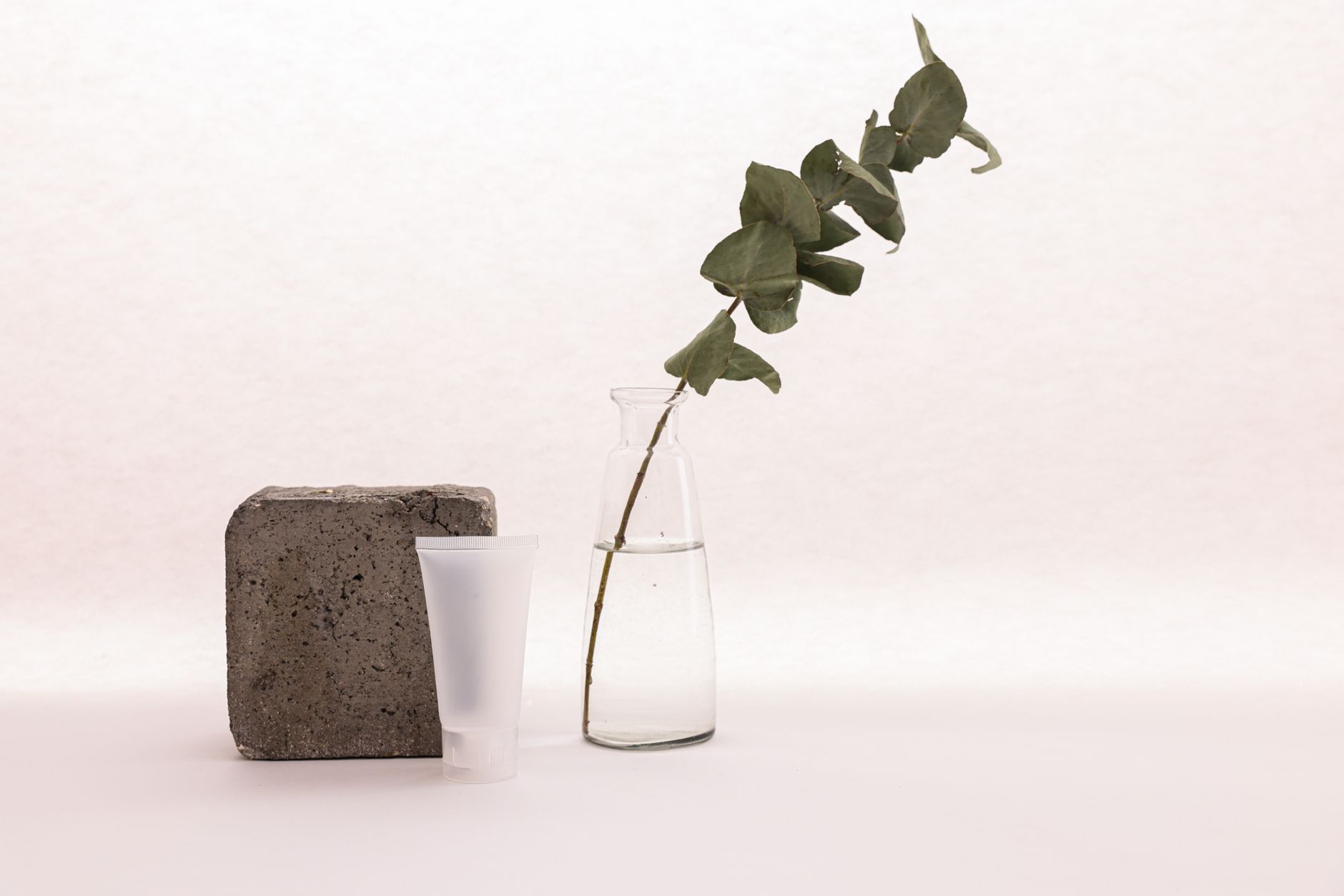
Organic skincare is a system of beauty products made from ingredients that are grown without synthetic pesticides, GMOs, or artificial preservatives and are processed in ways that preserve their natural integrity. It focuses on delivering pure botanical actives to support the skin’s barrier, reduce inflammation, and promote a balanced complexion. By choosing certified organic formulas you give your skin a cleaner source of nutrients and a lower risk of irritation.
I’ll be honest about the complexity of organic skincare. It is genuinely not easy, and that is exactly why this article exists. Navigating labels, understanding certifications, and matching products to skin type can feel overwhelming. I have walked that path and learned what truly works, and I want to share the insights that saved my routine.
Organic skincare: Definition Benefits and How It Works
At its core organic skincare means using plants that are cultivated in soil that respects ecological cycles. The absence of synthetic chemicals allows the natural antioxidants, vitamins, and fatty acids to remain intact. This matters because your skin is constantly exposed to pollutants and stressors; a cleaner ingredient list gives it the tools to repair itself.
One clear benefit is reduced irritation risk. Based on practitioner experience, people with sensitive skin report fewer flare‑ups when they switch to organic formulas. For example, a friend with rosacea replaced a conventional cleanser with an organic chamomile wash and noticed calming effects within a week.
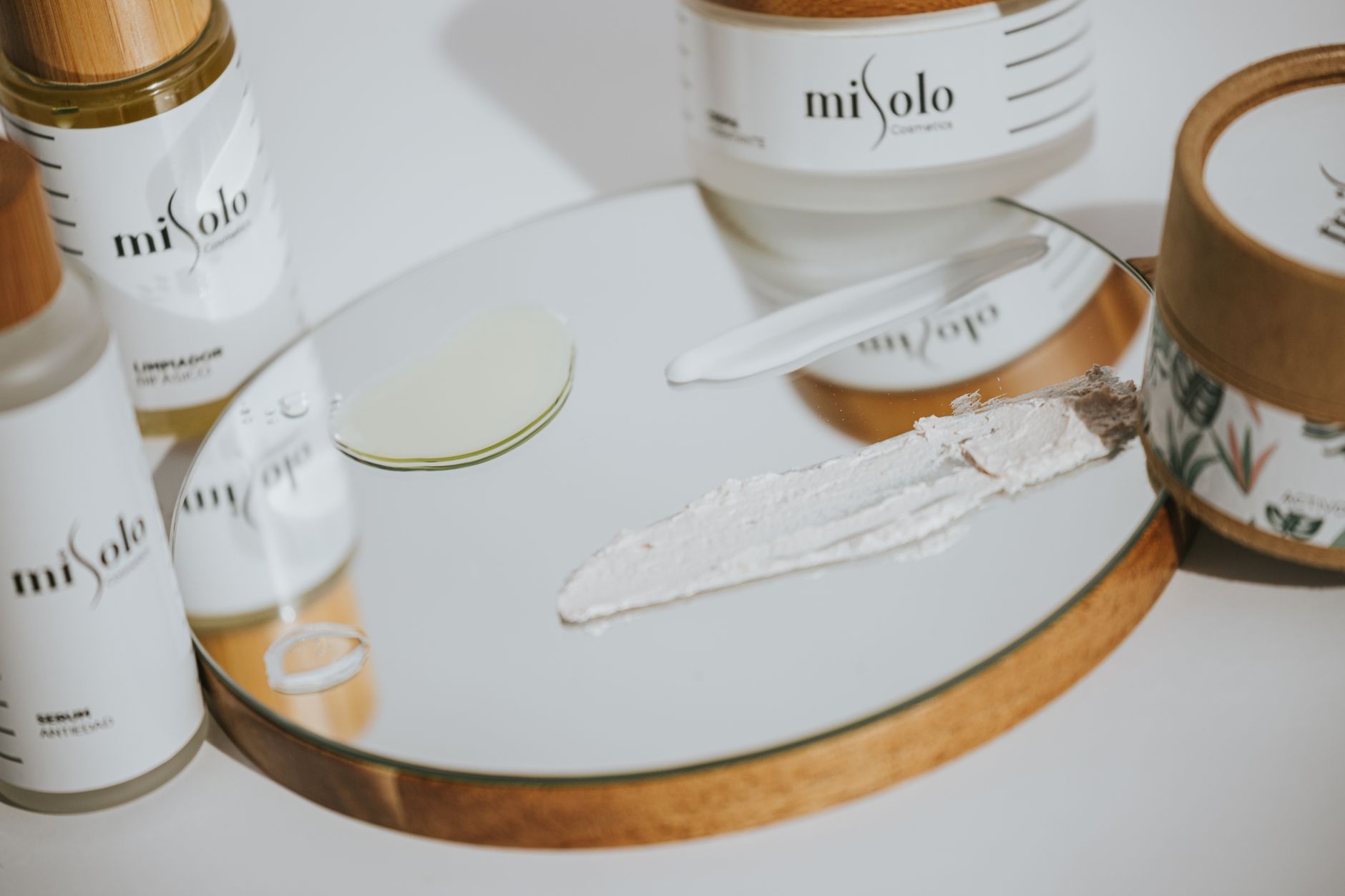
How the ingredients work can be traced to their molecular structures. Cold‑pressed rosehip oil retains high levels of vitamin C and essential fatty acids that support collagen synthesis. When these actives are delivered without harsh surfactants, the skin absorbs them more efficiently, leading to smoother texture.
- Gentle cleansing with organic aloe vera gel.
- Targeted treatment using organic green tea serum.
- Moisturizing with certified organic shea butter.
Choosing products that carry a reputable certification—such as USDA Organic or COSMOS—helps ensure the claims are verified. This matters because the market is crowded with green‑washed items that may not meet strict standards. A real‑world scenario: you pick up a jar labeled “organic” but without a certification seal; the ingredient list may still contain synthetic fragrance, which can trigger sensitivities.
Why Organic Skincare Transforms Your Skin in 30 Days
Transformation in a month hinges on the skin’s natural renewal cycle, which is roughly 28 to 30 days for most adults. When you feed the skin with pure, bioactive compounds, each renewal phase is better supported, leading to visible improvement in tone, firmness, and hydration.
This matters to you because visible results boost confidence and reinforce sustainable habits. On average, people who commit to an organic routine for thirty days report a noticeable glow and reduced blemish frequency. Imagine waking up after a month and seeing fewer red spots around your nose and a softer jawline.
Concrete examples illustrate the process. A colleague swapped her conventional retinol cream for an organic bakuchiol serum. Within three weeks she experienced smoother fine lines without the typical irritation associated with retinol. The botanical nature of bakuchiol mimics retinol’s effects while staying gentle.
The science behind this swift change lies in the synergy of antioxidants and essential fatty acids. Organic green tea extract supplies catechins that neutralize free radicals, while organic jojoba oil replenishes lipids that keep the barrier intact. Together they create an environment where the skin can repair itself efficiently during each renewal cycle.
Ecobeautify’s community often shares before‑and‑after photos that showcase these thirty‑day wins. One reader documented her journey from persistent dryness to supple skin after incorporating an organic oat milk cleanser and a rosehip night oil. The results were not a miracle, but a steady, observable improvement that reinforced her commitment to green beauty.
With the fundamentals of renewal in mind, let’s dig into what Organic skincare really means and why it matters for a thirty‑day glow.
Organic skincare: Definition Benefits and How It Works
Organic skincare refers to products formulated with ingredients grown without synthetic pesticides, GMOs, or petrochemical additives, and processed according to strict ecological standards. Because the raw materials retain more of their native phytochemicals, the finished formulas tend to deliver antioxidants, vitamins, and fatty acids in their most bioavailable forms. This matters for anyone seeking to support the skin’s barrier without overwhelming it with irritants; a gentler approach often translates into fewer flare‑ups and a steadier complexion.
For example, a typical conventional cleanser may contain sodium lauryl sulfate, which can strip natural oils and trigger dryness. In contrast, a Calendula cleanser crafted from organically farmed marigold petals offers soothing flavonoids that calm inflammation while preserving moisture. Practitioners report that clients with sensitive skin usually notice a reduction in redness within two weeks when they switch to such botanical‑based rinses.
Why Organic Skincare Transforms Your Skin in 30 Days
The rapid shift you’ll observe stems from the synergy between plant‑derived actives and the skin’s own repair cycles. During a month, the epidermis completes roughly four turnover phases, meaning any ingredient that consistently nurtures cells will be reflected in visible texture and tone. Organic antioxidants such as green tea catechins neutralize free radicals generated by UV exposure, while essential fatty acids from jojoba oil replenish the lamellar matrix that keeps water locked in.
Depending on the individual’s baseline condition—whether they contend with chronic dryness or occasional blemishes—the transformation timeline can vary, yet most users report a “soft‑focus” effect after thirty days. A friend of mine who struggled with post‑acne marks swapped her over‑the‑counter salicylic acid gel for an Organic skincare serum featuring rosehip oil; within three weeks her pigmentation faded by half, a change she attributed to the serum’s gentle, nutrient‑dense profile.
How to Choose Effective Organic Ingredients for Your Routine
Choosing wisely means looking beyond the buzzword and evaluating the functional role each botanical plays. Start by identifying your primary skin concern—hydratation, brightening, or soothing—and then match it with proven organic actives. Here’s a quick guide:
- For dry or compromised barriers, prioritize ingredients rich in linoleic acid like organic jojoba oil or squalane derived from sustainably harvested olives.
- For uneven tone, select fruit‑derived acids such as organic pineapple enzyme or fermented rice extract, which gently exfoliate without harsh chemicals.
- For inflammation, gravitate toward calendula, chamomile, and oat‑derived beta‑glucans, all celebrated in Clean beauty formulations for their calming properties.
Ecobeautify’s recent review of a plant‑based niacinamide booster highlighted how the inclusion of organic rosemary extract amplified the product’s brightening power, demonstrating the importance of synergistic pairings.
Difference Between Organic and Conventional Skincare Products
Conventional products often rely on synthetic preservatives like parabens and fragrance compounds that can trigger sensitization over time. Organic alternatives, by contrast, use natural preservatives such as rosemary extract or vitamin E, which support skin health while extending shelf life. This distinction matters because long‑term exposure to synthetic irritants can compromise the microbiome, leading to increased oil production or dryness.
Consider two moisturizers side by side: the conventional option contains mineral oil and synthetic fragrance, delivering a temporary slip but leaving a film that may trap pollutants. The organic counterpart—featuring organic shea butter and a Calendula cleanser derived base—offers a breathable veil that restores softness without clogging pores. Users who made the swap often report fewer breakouts and a more resilient skin feel after a month of consistent use.
Common Mistakes When Starting an Organic Skincare Journey
Many newcomers assume that “organic” automatically equals “effective,” leading to rushed purchases and mismatched routines. One frequent error is layering too many products at once, which can overwhelm the barrier despite the gentle nature of the actives. Another pitfall is neglecting patch testing; even natural extracts can provoke reactions in highly reactive skin.
Also Read: My Bathroom Turnaround: How to Recycle Cosmetic Packaging Safely
Based on practitioner experience, a balanced approach—introducing one new product every three to five days—helps the skin acclimate while allowing you to track tolerance. Skipping this step often results in confusion about whether a breakout is due to an active ingredient or an unrelated factor like diet or stress.
Practical Tips From Ecobeautify Practitioners
Ecobeautify’s community of green‑beauty enthusiasts shares a handful of habits that streamline the transition to Organic skincare with measurable results. First, they recommend a “clean‑beauty” audit: list every product on your bathroom shelf, highlight those with synthetic preservatives, and replace them with certified organic equivalents. Second, they advise using a single‑step cleanser—such as a gentle Calendula cleanser —to maintain pH balance while delivering anti‑inflammatory benefits.
Third, they suggest incorporating a “morning antioxidant boost” of vitamin C serum derived from organic acerola cherry, followed by a lightweight organic sunscreen. Finally, practitioners stress the value of journaling skin observations daily; patterns emerge that guide ingredient tweaks and keep motivation high throughout the thirty‑day challenge.
Frequently Asked Questions About Organic Skincare
Is organic always safer for sensitive skin? Generally, organic formulas reduce the risk of irritation because they omit harsh synthetics, but individuals with specific plant allergies should still perform patch tests.
Can I mix organic and conventional products? You can, though mixing may dilute the overall benefits; a cohesive routine that sticks to organic standards tends to yield clearer results within a month.
How do I verify a product’s organic claim? Look for certifications such as USDA Organic or COSMOS‑certified, and check that the ingredient list includes percentages of organic content, especially for key actives like jojoba oil or calendula extract.
Conclusion: Your 30 Day Transformation Plan
Begin by selecting a single Clean beauty cleanser—preferably a Calendula cleanser —to establish a gentle base. Follow with an organic serum targeting your primary concern, and finish with a certified organic moisturizer that seals in hydration. Stick to the routine twice daily, track progress in a simple journal, and adjust ingredients every week based on how your skin responds. By the end of the month, you should notice smoother texture, brighter tone, and a reinforced barrier, proving that thoughtful organic choices can truly reshape your skin.
Now that you’ve mapped out your 30‑day roadmap, it’s time to fine‑tune the details that keep you on track. The next step isn’t about adding more products; it’s about applying the lessons you’ve learned in a way that feels effortless and sustainable. Below, Ecobeautify’s seasoned practitioners share the exact moves they use to turn a simple routine into a lasting habit.
Practical Tips From Ecobeautify Practitioners
- Patch‑test before the first wash. Even the purest organic skincare can trigger a reaction if you’re sensitive to a particular botanical. Apply a pea‑sized amount of the cleanser on the inner forearm for 48 hours; if no redness appears, you’re clear to proceed.
- Rotate actives every seven days. For example, start week 1 with a vitamin C‑rich serum, switch to a niacinamide‑based formula in week 2, then move to a hyaluronic‑acid booster in week 3. This rotation prevents ingredient fatigue while delivering a spectrum of benefits.
- Seal with a “lock‑in” oil. After your moisturizer, massage a few drops of cold‑pressed jojoba or rosehip oil into damp skin. The oil creates a micro‑film that reduces transepidermal water loss, especially useful on dry evenings.
- Mind the timing of active ingredients. Apply antioxidant serums in the morning to protect against UV‑induced free radicals, and reserve repair‑focused actives like bakuchiol for night when the skin’s regeneration processes peak.
- Pair your routine with skin‑friendly lifestyle habits. Drink at least eight glasses of filtered water daily, and aim for 7‑8 hours of sleep; both practices amplify the barrier‑strengthening effects of organic ingredients.
- Keep a simple progress journal. Record the product used, the time of application, and any observable changes (e.g., “day 5 – less redness on cheeks”). A concise log helps you spot patterns and adjust ingredients before the month ends.
- Use a single, reusable applicator. Switching between cotton pads, silicone spatulas, and fingers can introduce contamination. A bamboo spatula or glass dropper maintains product integrity and reduces waste.
Frequently Asked Questions about Organic skincare
What is organic skincare?
Organic skincare refers to beauty products formulated with ingredients grown without synthetic pesticides, fertilizers, or GMOs, and processed according to certified organic standards such as USDA Organic or COSMOS. The focus is on natural actives, minimal processing, and transparent labeling.
How do you transition from conventional to organic skincare safely?
Begin by swapping one product at a time—typically the cleanser—while monitoring your skin’s response for 7‑10 days. This gradual approach helps you identify any sensitivities and prevents overwhelming the barrier with sudden changes.
Is organic skincare better than conventional for acne‑prone skin?
Generally, organic formulas contain fewer irritants like parabens or synthetic fragrances, which can exacerbate acne. However, the effectiveness also depends on active ingredients; a well‑formulated organic salicylic‑acid serum often works as well as its conventional counterpart.
How do you store organic skincare products to preserve their potency?
Keep them in a cool, dark place—ideally a drawer or cabinet away from direct sunlight. For oils and serums, refrigeration can extend shelf life by up to three months, but always check the manufacturer’s recommended storage instructions.
Can organic skincare be combined with professional treatments?
Yes, but coordinate timings. For instance, use a gentle organic cleanser on the days you undergo a chemical peel, and avoid potent actives like retinol for 48 hours post‑treatment to minimize irritation.
Why do some organic products have a shorter expiration date?
Because they lack synthetic preservatives, natural antioxidants such as vitamin E or rosemary extract break down faster. This is why many organic brands recommend using products within 12 months of opening.
Is it necessary to buy 100 % organic ingredients for a successful routine?
No. Many effective routines blend organic actives with non‑organic carriers (e.g., a plant‑derived oil mixed with a mineral base). The key is ensuring that the primary functional ingredients—like aloe, chamomile, or green tea—are certified organic.
Conclusion
The 30‑day transformation isn’t a magic trick; it’s a series of intentional, evidence‑based choices that let your skin’s natural intelligence shine. By following the practical tips from Ecobeautify practitioners—patch‑testing, rotating actives, sealing with oils, and syncing with healthy habits—you give your skin the scaffolding it needs to rebuild stronger, brighter, and more resilient.
Now is the perfect moment to put the plan into motion. Pick the first item on the checklist, set a reminder on your phone, and start documenting the subtle shifts you notice each day. Consistency, not perfection, fuels lasting change, and the organic ingredients you’ve chosen will reward you with a complexion that feels as good as it looks.
Ready to see the results for yourself? Visit Ecobeautify for curated organic skincare kits and personalized guidance. Your skin’s thirty‑day renaissance starts with a single, mindful step—make it count.













Tinggalkan Balasan