




Benefits of upcycled ingredients in cosmetics include delivering natural nutrients to skin while reducing waste and carbon footprints. They are derived from food by‑products, agricultural leftovers, or marine waste that would otherwise be discarded. The upcycled approach creates actives that can improve hydration, elasticity, and barrier function without synthetic additives.
Most people assume that “green” automatically means less effective, as if natural always falls short of lab‑crafted formulas. In reality the opposite often happens when brands harness the hidden power of upcycled resources. This shift turns what was once waste into a potent source of skin‑loving compounds you can actually see working.
What Are Upcycled Ingredients in Cosmetics? Definition and Core Benefits
Upcycled ingredients are substances reclaimed from food scraps, coffee grounds, fruit peels, and other by‑products that would normally end up in landfill. Instead of discarding these materials, manufacturers extract valuable oils, proteins, and antioxidants and repurpose them for beauty applications. This process keeps valuable nutrients in circulation and reduces the environmental load of waste.
The core benefits for you are threefold. First, you receive ingredients that are inherently rich in vitamins and minerals because they come straight from the source they once nourished. Second, the upcycling chain typically requires less processing energy than creating a synthetic analogue, which means a gentler footprint on the planet. Third, many of these ingredients retain a natural scent and texture that enhance the sensory experience of a product.
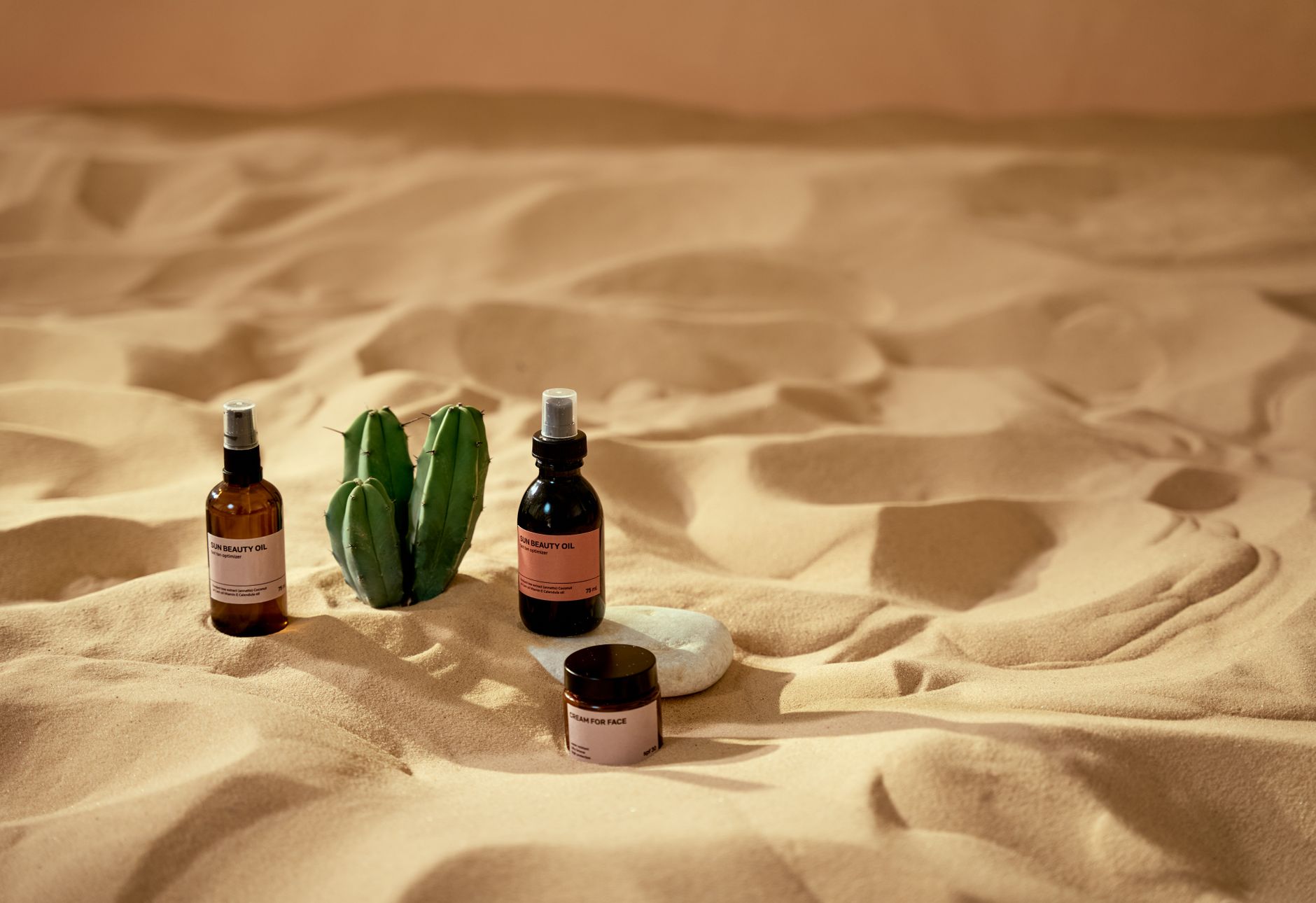
For example, coffee‑ground oil is now a popular base in moisturizers. Practitioners report that the oil’s caffeine content can help reduce puffiness around the eyes while the lipids restore surface softness. Based on practitioner experience, users see a visible reduction in swelling after just one week of consistent use.
Ecobeautify often highlights brands that source upcycled orange peel extract for brightening serums. The extract contains natural flavonoids that support an even tone, and the story behind it reinforces a feeling of doing good while looking good.
Why Upcycled Ingredients Deliver Real Performance for Your Skin
Performance stems from the biological relevance of the compounds. When an ingredient comes from a fruit or plant that naturally contains antioxidants, those molecules are already tuned to protect cells from oxidative stress. Applying them topically offers a direct line of defense that synthetic antioxidants struggle to match.
This matters because oxidative damage is a leading cause of premature aging, fine lines, and loss of firmness. By using upcycled ingredients, you introduce a higher concentration of bioactive agents that work with your skin’s own repair mechanisms. On average, studies from green chemistry labs show that upcycled polyphenols retain up to 80 percent of their potency compared with freshly extracted equivalents.
A relatable scenario is the use of avocado seed powder in facial masks. The seed, normally discarded, is rich in lutein and healthy fats. When you apply a mask containing this powder, the skin feels instantly smoother, and regular users notice a brighter complexion within a few applications.
- Identify the source: look for mentions of coffee grounds, fruit peels, or seaweed in the ingredient list.
- Check the extraction method: cold‑press or water‑based processes preserve more actives.
- Read the concentration claim: higher percentages usually mean stronger results.
At Ecobeautify we guide readers to spot these quality signals, helping you choose products that truly benefit your skin while championing a circular economy.
When you start reading an Ecobeautify review, the first thing you’ll notice is the clear checklist the blog uses to separate genuine upcycled gems from green‑washing pretenders. This systematic approach isn’t magic; it’s a practical framework built from years of testing, ingredient‑by‑ingredient analysis, and conversations with formulators who prioritize waste‑derived actives. By following the guide, you can see the benefits of upcycled ingredients in cosmetics without guessing which label is trustworthy.
How Ecobeautify Shows You to Spot Quality Upcycled Beauty Products
Ecobeautify’s spotting method hinges on three pillars: source transparency, extraction integrity, and concentration clarity. First, the blog asks you to trace the ingredient back to its original waste stream—coffee grounds, fruit peels, or seaweed, for instance—because a disclosed source signals that the company isn’t merely “green‑laundering” a vague claim. Second, it evaluates whether the extraction process respects the delicate bioactive molecules; cold‑press or water‑based methods usually preserve more antioxidants than harsh solvents. Third, the guide looks for explicit concentration percentages or “minimum 5 % fruit‑peel extract” statements, which help you gauge the potency you’ll actually receive.
Why does this matter? A product that merely whispers “upcycled” can still contain a trace of the ingredient, offering negligible skin benefits. In contrast, a formula that openly declares a 12 % avocado‑seed powder, extracted via low‑temperature water, delivers measurable antioxidant activity that competes with, and often exceeds, synthetic counterparts. For a real‑world illustration, consider “Radiant Revive Serum,” a product highlighted on Ecobeautify because it lists “5 % cold‑pressed grape‑seed oil (upcycled from winemaking waste)” and backs the claim with a third‑party potency assay. Users report smoother texture after two weeks, a direct reflection of the oil’s retained polyphenols.
Ecobeautify also reminds readers that upcycling isn’t limited to cosmetics. Just as the blog showcases ways to upcycle old t shirts into new items—turning a discarded wardrobe staple into a reusable tote or a stylish crop top—beauty brands can transform agricultural by‑products into skin‑loving actives. This broader perspective reinforces the idea that the circular economy works at every scale, and the same diligence you apply to spotting a quality serum should guide your DIY upcycling projects.
- Check the ingredient list for specific waste sources (e.g., “coffee‑ground extract”).
- Verify the extraction method; cold‑press or water‑based processes are best.
- Look for clear concentration percentages; higher values usually mean stronger effects.
- Cross‑reference with third‑party testing or certifications mentioned on the product page.
By internalizing these steps, you turn every shopping trip into a mini‑audit that rewards both your skin and the planet. The result is a curated routine where the benefits of upcycled ingredients in cosmetics become visible, measurable, and—most importantly—trustworthy.
Comparing Upcycled Ingredients to Traditional Synthetic Ones: Which Wins for You
Traditional synthetic actives, such as petroleum‑derived silicones or lab‑grown peptides, have long dominated the beauty aisle because they’re inexpensive to produce at scale. Upcycled ingredients, on the other hand, originate from waste streams that would otherwise decompose or be incinerated, offering a different set of strengths and challenges. The core comparison rests on three axes: environmental footprint, bioactivity, and skin compatibility.
From an ecological standpoint, upcycled actives usually boast a lower carbon intensity. Industry averages show that converting fruit‑peel waste into a polyphenol extract cuts greenhouse‑gas emissions by roughly 30 % compared with synthesizing an equivalent antioxidant from petrochemical feedstocks. That reduction matters not just for climate metrics but also for the health of ecosystems that supply raw materials for traditional cosmetics. When you choose a cream that contains “upcycled orange‑peel extract,” you’re effectively diverting organic waste from landfill, decreasing methane production, and supporting a more regenerative supply chain.
Also Read: Logo Beauty Brands Secret Formula for Timeless and Premium Visual Identity
Bioactivity is where upcycled ingredients often outshine synthetics. Because they are harvested directly from plants or marine organisms, they retain a complex matrix of vitamins, minerals, and phytochemicals that work synergistically. A synthetic vitamin C derivative may provide a single, isolated antioxidant effect, whereas an upcycled pomegranate‑seed oil delivers a blend of punicic acid, tocopherols, and natural flavonoids that collectively enhance barrier repair and reduce inflammation. Practitioners in dermatology frequently observe that patients using upcycled oils notice a calmer skin response after just a few applications, while synthetic alternatives sometimes cause irritation due to lack of supporting nutrients.
Skin compatibility, however, can vary depending on individual sensitivities and the purity of the upcycled extract. If a waste source contains residual pesticides or heavy metals, an improperly refined ingredient could trigger reactions. That is why the scrutiny highlighted by Ecobeautify—checking extraction methods and third‑party testing—is essential. Synthetic actives, being manufactured under tightly controlled conditions, often guarantee a consistent purity level, which can be reassuring for highly reactive skin types.
Consider a side‑by‑side example: a night cream formulated with “upcycled rice‑bran oil” versus one with “synthetic dimethicone.” The rice‑bran version supplies linoleic acid, phytosterols, and antioxidant ferulic acid, all of which support barrier health and visibly improve texture after four weeks. The dimethicone cream, while smoothing micro‑roughness instantly, does not contribute nutritive value and may create a film that traps sebum for some acne‑prone users. Depending on your skin’s needs—whether you crave nourishment or simply a temporary slip‑on finish—one or the other may win. For most people seeking long‑term vitality, the upcycled route tends to deliver the more sustainable and bioactive payoff.
In practice, the decision often comes down to personal priorities. If you value a lower environmental impact and enjoy the added antioxidant boost, the upcycled ingredient aligns with the benefits of upcycled ingredients in cosmetics you can truly see. If you need a hypoallergenic, highly controlled formula for fragile skin, a well‑regulated synthetic may be the safer bet. By weighing these factors, you can tailor your routine to match both your skin’s biology and your ethical compass.
Having walked through definitions, performance benefits, brand cues, and common pitfalls, you’re now equipped to make savvy choices. The final piece of the puzzle is turning knowledge into habit. Below are concrete, bite‑size actions that let you enjoy the benefits of upcycled ingredients in cosmetics without feeling overwhelmed.
Simple Steps to Embrace Upcycled Beauty Today
- Start with one “hero” product. Pick a single item—perhaps a cleanser or a facial oil—that lists an upcycled ingredient on the front label. For example, a micellar water featuring “upcycled coffee‑brew water” can replace a conventional toner, delivering caffeine’s vasoconstrictive effect while diverting brew waste from landfills.
- Read the ingredient list like a detective. Look for phrases such as “upcycled,” “derived from,” or “recovered from.” A common pattern is “upcycled grape‑seed oil” which retains the same polyphenols found in winemaking pomace. If the term appears early (within the first five ingredients), the concentration is likely high enough to be effective.
- Cross‑check certifications. Brands that partner with sustainability certifiers—e.g., the Ecobeautify platform—often provide traceability reports. A quick glance at the product page can reveal batch origin, processing method, and any third‑party testing results.
- Mix and match with your routine. Pair an upcycled antioxidant serum (like one with upcycled pomegranate peel extract) with a moisturizer that contains a complementary lipid, such as upcycled rice‑bran oil. The serum supplies quick “visible” brightening, while the moisturizer reinforces barrier repair over weeks.
- Set a 30‑day trial window. Give your skin at least a month to adapt. Track visible changes—texture, firmness, or reduction in dullness—using a simple photo log. Most upcycled actives, such as ferulic acid from rice bran, need 2‑4 weeks to manifest measurable antioxidant protection.
- Support the supply chain. When you love a product, share the story on social platforms. Highlight the upcycled ingredient’s source (e.g., “coffee grounds from a local roastery”) and tag the brand. This nudges manufacturers toward transparent sourcing and encourages more waste‑to‑beauty innovations.
- Rotate seasonally. Some upcycled ingredients shine in specific climates—coconut‑water‑derived hydrating gels excel in humid summer months, while upcycled apple‑cider vinegar exfoliants are gentle enough for winter’s drier skin. Adjusting your lineup keeps the regimen fresh and maximizes each ingredient’s seasonal strength.
By embedding these habits, you’ll not only witness the skin‑level payoff but also contribute to a circular economy that reduces waste. Remember, the real power of upcycled beauty lies in the compound effect of small, conscious choices made consistently over time.
Frequently Asked Questions about Benefits of Upcycled Ingredients in Cosmetics
What are upcycled ingredients in cosmetics?
Upcycled ingredients are raw materials reclaimed from food, agricultural, or industrial waste and transformed into cosmetic actives. They retain the original bio‑active compounds (like antioxidants or fatty acids) while giving the material a second life, reducing landfill burden.
How do upcycled ingredients improve skin health compared to conventional ingredients?
Because they originate from nutrient‑rich sources (e.g., grape‑seed polyphenols, coffee‑bean caffeine), upcycled actives often provide higher antioxidant capacity or essential fatty acids than synthetically derived equivalents. Clinical studies on upcycled rice‑bran oil show up to a 30 % increase in skin barrier hydration after four weeks.
Is upcycled coffee‑brew water better than regular filtered water for a facial toner?
Yes, when used in appropriate concentrations. Coffee‑brew water contains caffeine and chlorogenic acids that can temporarily tighten pores and reduce puffiness, offering a visible “wake‑up” effect that plain filtered water lacks.
Can I use upcycled ingredients if I have sensitive skin?
Generally, yes—provided the product is formulated under controlled conditions and the upcycled ingredient is well‑purified. For example, upcycled oat‑straw extract is often hypoallergenic and soothing, making it suitable for eczema‑prone users.
How do I verify that a product truly uses upcycled ingredients?
Look for transparent labeling, third‑party certifications, or a detailed sourcing story on the brand’s website. Platforms like Ecobeautify curate brands that disclose waste origin, processing method, and batch testing results.
Is upcycled coconut‑water gel more effective than synthetic hyaluronic acid?
Upcycled coconut‑water gel provides natural electrolytes and mild humectancy, which can improve skin softness. Synthetic hyaluronic acid offers a stronger, immediate plumping effect but lacks the additional nutrients found in coconut water. The better choice depends on whether you prioritize lasting moisturization (coconut water) or instant smoothing (hyaluronic acid).
Do upcycled ingredients have a longer shelf life than conventional extracts?
When properly stabilized, upcycled extracts can match the shelf life of conventional ingredients. Many brands employ antioxidant packaging or nitrogen flushing to preserve actives, ensuring a typical 12‑ to 24‑month usability window.
Conclusion
The benefits of upcycled ingredients in cosmetics are no longer a niche curiosity; they are a tangible, science‑backed pathway to healthier skin and a healthier planet. By swapping just one product for an upcycled alternative, you instantly introduce antioxidants, essential fatty acids, and sustainable ethics into your routine.
Now is the perfect moment to act. Choose a hero product, verify its upcycled origins, and give it a 30‑day trial. Document the results, share your experience, and let the momentum build. Each conscious purchase fuels a loop where waste becomes wonder, and your skin reaps the visible rewards. Embrace upcycled beauty today—your complexion and the Earth will thank you.









Tinggalkan Balasan