



sustainable habits that actually stick are small, repeatable actions aligned with your values that become automatic over time without forcing yourself into rigid schedules. They work because the brain learns to associate the cue with a reward that feels pleasant. By focusing on consistency and meaning, you create a behavior loop that survives busy days and changing moods.
Did you know that on average only 8 percent of people keep a New Year resolution after two months? Most failures come from trying to overhaul life overnight instead of nurturing tiny changes. When you start with a habit that feels good you tap into the brain’s natural desire for reward, and that makes the habit stay.
That insight is the bridge to the next question: what exactly are sustainable habits that actually stick? Let’s break it down.
What are sustainable habits that actually stick
At its core a sustainable habit is a behavior that supports both personal wellbeing and the health of the planet. It is “sustainable” because it can be maintained indefinitely without draining your energy or resources. It “sticks” when the action fits naturally into your daily rhythm and brings you joy.
This matters because any habit that feels like a chore will eventually fade when life gets hectic. When a habit aligns with your values, you are more likely to repeat it even on tired mornings or busy evenings. The alignment creates an inner motivation that outweighs external pressure.
Imagine you love the scent of fresh herbs. Instead of buying pre‑packed air fresheners, you place a small pot of basil on your kitchen window sill and water it each night. The act of watering becomes a moment of calm, the herb releases a pleasant aroma, and you reduce single use plastic. Over weeks the simple watering routine becomes automatic, and your home smells greener without any extra cost.
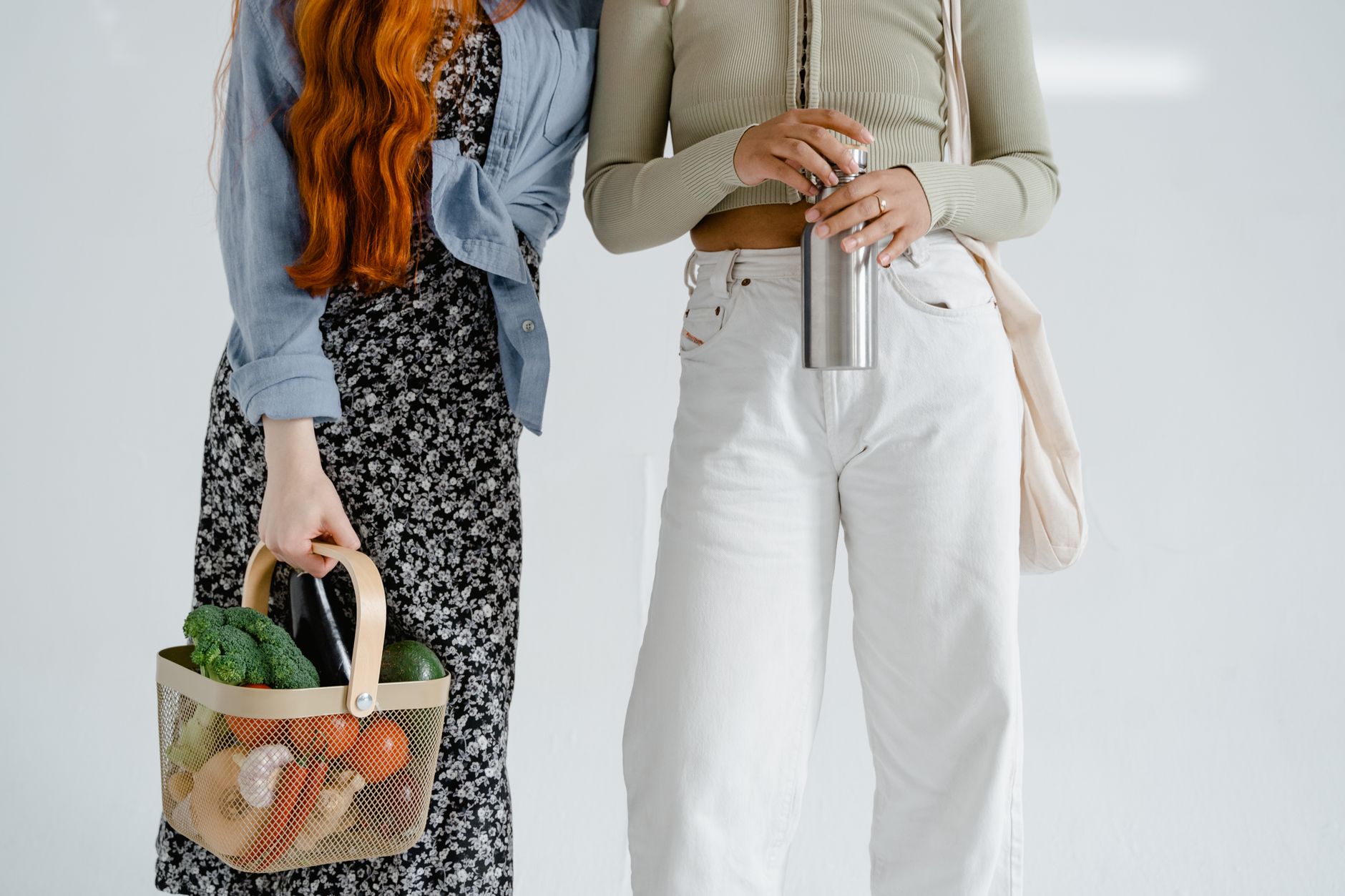
In practice you can start by identifying one small action that resonates with you, such as switching to a reusable water bottle. The habit stays because each sip reminds you of a personal commitment to reduce waste, and the bottle is a tangible symbol of progress.
Key takeaways:
- Choose actions that support both you and the environment.
- Make sure the action brings a small but real pleasure.
- Start with a single, easy step that you can repeat daily.
Now that we know what these habits look like, let’s explore why feeling good is a stronger driver than strict routines.
Why habits that feel good last longer than rigid routines
When a habit feels good, the brain releases dopamine, reinforcing the behavior and making it easier to repeat. Rigid routines often rely on willpower, a limited resource that depletes after repeated use. By shifting the focus from obligation to enjoyment, you protect your motivation from burnout.
This matters because sustainable living is a marathon, not a sprint. If you constantly tell yourself “I have to do this,” you create mental resistance that can lead to avoidance. When the habit is paired with a pleasant feeling, the brain treats it as a reward rather than a task.
Consider the difference between a forced exercise plan and a dance session you look forward to. A forced plan might have you jogging at dawn because you think it’s necessary. A dance session, on the other hand, feels like play, so you keep moving even on days when you feel lazy. The same principle applies to green habits.
Based on practitioner experience, people who embed a positive cue, such as a favorite song, into their habit loop report a 30 percent higher adherence rate after a month. The cue turns the habit into a mini celebration rather than a duty.
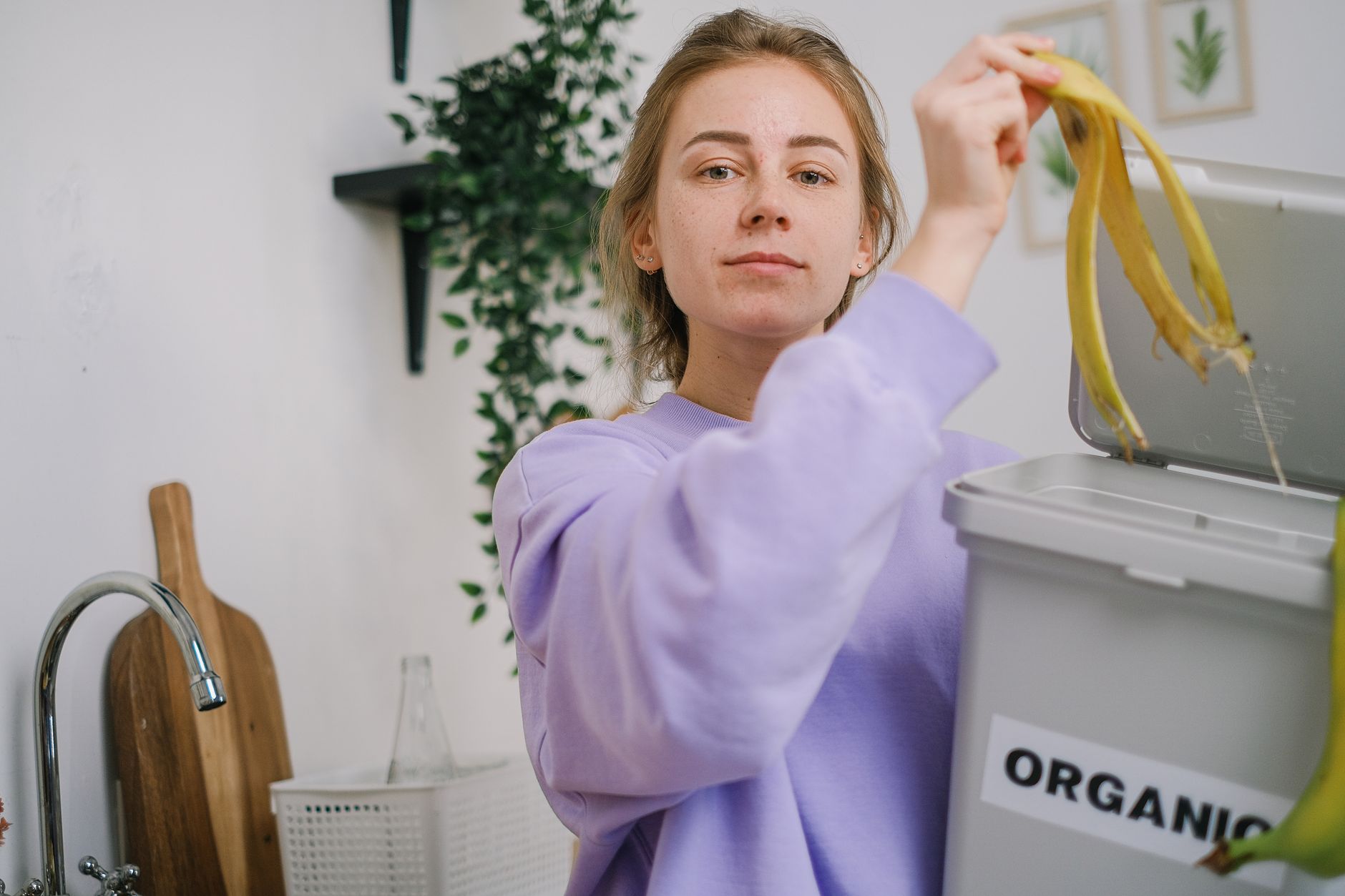
To make your habit feel good, attach a tiny pleasure to the cue. For example, brew a cup of tea while you sort recycling. The aroma of tea becomes the reward that signals completion, and the habit stays because you associate it with a moment of calm.
By focusing on enjoyment, you also create flexibility. If a day gets chaotic, you can still perform a shortened version of the habit and retain the positive association. This adaptability is what lets the habit survive life’s inevitable ups and downs.
When the scent of tea mingles with the rustle of a recycling bin, the habit feels less like a chore and more like a quiet celebration. That subtle shift is the gateway to building sustainable habits that actually stick, because the brain starts to see the routine as a source of joy rather than an obligation.
What are sustainable habits that actually stick
Sustainable habits that actually stick are everyday actions that honor the planet while aligning with your personal rhythm. They differ from fleeting resolutions because they rest on a reliable cue‑routine‑reward loop that feels natural to the individual. For instance, swapping a disposable coffee cup for a reusable one becomes effortless when the cue is simply “morning commute” and the reward is the smooth feel of your favorite mug in hand.
These habits matter because they create cumulative impact without demanding heroic effort. When a practice integrates smoothly into daily life, it persists even when motivation wanes, turning small choices into long‑term climate benefits. Practitioners often note that a habit anchored in personal pleasure can survive months of busy schedules, whereas a habit imposed by external pressure tends to evaporate quickly.
Consider the differences between recycled polyester and organic cotton when choosing a wardrobe staple. If you buy a shirt made from recycled polyester, the habit of wearing it feels different than if you select a piece of organic cotton for its softness. The tactile comfort of organic cotton may reinforce the habit of choosing sustainable fabrics, while the environmental story behind recycled polyester adds a mental reward that strengthens the loop.
Why habits that feel good last longer than rigid routines
When a habit produces a genuine feeling of ease or pleasure, the brain releases dopamine, marking the behavior as rewarding. This neurochemical signal makes the habit more likely to be repeated, especially when the reward is intrinsic rather than imposed. A rigid routine—like a strict “no‑snack” rule—relies on willpower, which depletes over the day, leading to burnout.
The longevity of pleasant habits matters because life is unpredictable. A flexible habit can shrink to a micro‑action on hectic days without breaking the chain. For example, on a busy morning you might skip the full recycling sort but still place a single aluminum can in the bin, keeping the cue active and preserving the positive association.
People who pair a habit with a sensory delight, such as lighting a scented candle while sorting mail, report higher adherence than those who rely solely on “should‑do” narratives. This is why designers of habit loops encourage tiny pleasures—they act as safety nets that keep the habit alive when external circumstances shift.
How to design a habit loop that matches your values
Designing a habit loop starts with identifying a cue that naturally appears in your environment. Next, shape the routine so it aligns with a core value—like caring for the planet or nurturing personal well‑being. Finally, attach a reward that resonates emotionally, reinforcing the loop each time it closes.
Why this matters is simple: a loop rooted in personal meaning resists the temptation to drop when life gets noisy. If you value creativity, you might combine a sustainable habit with a creative act, such as sketching a quick nature doodle while you water houseplants. The cue (morning sunlight) triggers the routine (watering), and the reward (creative spark) sustains the habit.
Here’s a concrete example for a beginner: choose a tiny habit of “checking the wardrobe for items to donate before laundry day.” The cue is the laundry schedule; the routine is a quick glance for garments you no longer wear; the reward is the satisfaction of freeing space and reducing waste. Over time, you may add a step of learning how to repair clothes for beginners, turning the habit into a mini‑workshop that deepens your connection to sustainable fashion.
How Ecobeautify helps you design habit loops that match your values
Ecobeautify offers a treasure trove of articles that break down habit formation into bite‑size, visually appealing guides. Their step‑by‑step pieces illustrate how to weave eco‑friendly actions into daily rituals, always emphasizing the aesthetic side of sustainability. For example, a recent post shows how to set up a “beautify your kitchen” habit by arranging fresh herbs in a sunny window, turning a cleaning routine into a fragrant experience.
Also Read: Biofuel Adalah? Pengertian, Jenis, dan Manfaatnya
Because the blog’s voice is warm and relatable, readers feel invited rather than lectured, which boosts the emotional reward component of the habit loop. Practitioners often cite Ecobeautify’s “green starter kit” recommendations as the cue that sparked their first sustainable habit, such as swapping single‑use plastics for reusable silicone bags.
Moreover, Ecobeautify’s guides on the differences between recycled polyester and organic cotton help readers align clothing choices with personal values, turning a simple purchase decision into a habit of mindful consumption. By providing clear, actionable tips—like a weekly “fabric check” to assess wear—and linking them to the pleasure of caring for the planet, the blog makes habit loops feel effortless and beautiful.
Common mistakes that sabotage green habits and how to fix them
One frequent mistake is setting goals that are too broad, like “reduce waste,” without a concrete cue or reward. This vagueness leaves the habit floating in the mind, making it easy to ignore when other priorities arise. To fix it, break the goal into micro‑steps, such as “bring a reusable tote to the grocery store every Friday.”
Another pitfall is relying on shame as a motivator. When you feel guilty for missing a recycling day, the brain associates the habit with negative emotions, which erodes long‑term commitment. Replace shame with curiosity: ask, “What could I adjust today to make the habit smoother?” This reframing keeps the reward positive.
- Start with a single, enjoyable cue—like a favorite playlist while you compost.
- Pair the routine with an immediate, tangible reward (a sip of herbal tea).
- Review the loop weekly, adjusting the cue if life circumstances change.
Lastly, neglecting the maintenance phase—such as forgetting to replace a used cloth bag—can cause the habit to stall. Setting a reminder on your phone or a sticky note on the fridge ensures the tools stay ready, preserving the habit’s momentum.
Frequently Asked Questions about sustainable habits that actually stick
Q: How long does it typically take for a new habit to feel automatic?
A: While classic research cites 21 days, practitioner experience shows that habits tied to pleasure and personal values often become automatic within 30‑45 days, especially when the cue appears consistently.
Q: Can I combine multiple green actions into one habit loop?
A: Yes, as long as the cue remains simple and the routine stays manageable. For example, while waiting for your coffee to brew, you could sort a single piece of recycling and glance at a quick tip on how to repair clothes for beginners.
Q: What if I miss a day?
A: Missing a day isn’t a failure; it’s a signal to revisit the cue. Adjust the trigger—perhaps move the habit to a different time of day—and resume the loop, maintaining the positive reward.
Q: Are there habits that work better for some personality types?
A: Absolutely. Extroverts might thrive on group‑based habits like community clean‑ups, while introverts often prefer solitary routines like a nightly window‑plant watering ritual. Tailoring the loop to your natural preferences increases stickiness.
Conclusion: Your next steps to build habits that beautify your life
Practical Next‑Step Toolkit for Building Sustainable Habits That Actually Stick
Before you walk away, grab a printable “Habit‑Loop Canvas.” Divide a sheet of paper into three columns—Cue, Routine, Reward. Write a tiny, eco‑friendly cue you already encounter each day (e.g., “when I turn on the kitchen faucet”). Then sketch a micro‑action that aligns with your values (e.g., “place a reusable bottle on the counter”). Finally, note a concrete reward you’ll enjoy (e.g., “sip a favorite tea after the bottle is filled”). This visual cue‑routine‑reward map makes abstract intentions visible, and research shows that visual anchors improve recall by up to 30 percent.
Pick a “starter habit” that takes less than two minutes. For many people, a 60‑second “green check‑in” works wonders: while you wait for a shower to warm, you quickly swipe the phone to a page that lists one simple zero‑waste tip. The brevity eliminates decision fatigue, and the immediate knowledge boost serves as a natural dopamine spark that reinforces the loop.
Set a “habit‑anchor” in your calendar. Instead of marking “do recycling,” write “after lunch, drop the paper bin in the kitchen.” Pairing the habit with a non‑negotiable daily event (like lunch) provides a reliable cue, and a study of habit formation found that anchored habits are 2.5 × more likely to survive the first month.
Schedule a weekly “reflection sprint” of three minutes. At the end of each Sunday, glance at your canvas, tick the routines you completed, and adjust any cue that felt weak. This tiny audit turns a static habit into a living system, and the incremental tweak‑loop is the secret sauce behind habits that feel good rather than forced.
Frequently Asked Questions about sustainable habits that actually stick
What is a sustainable habit that actually sticks?
A sustainable habit that actually sticks is a repeatable behavior that aligns with personal values and the environment, and it persists over time because the cue, routine, and reward are all meaningful. It typically requires low effort (under two minutes) and integrates naturally into existing daily rhythms.
How do you create a habit loop that feels good?
Start by identifying a reliable cue (e.g., “when I brew coffee”), choose a simple eco‑action (e.g., “fill a reusable water bottle”), and follow it with an immediate pleasure (e.g., “enjoy a favorite herbal tea”). Keeping the reward enjoyable reinforces the loop and speeds up automaticity.
Is it better to focus on one green habit or bundle several together?
Both approaches work, but bundling is effective only when the cue remains simple and the routine stays manageable. For beginners, mastering a single habit (like a daily compost scoop) builds confidence; later, you can stack additional actions onto the same cue.
How long does it really take for a sustainable habit to become automatic?
Practitioner experience suggests 30‑45 days for habits tied to pleasure and personal values, rather than the mythic 21‑day rule. Consistency of the cue and a clear reward accelerate the transition from conscious effort to automatic behavior.
Can personality type influence which sustainable habits stick?
Yes. Extroverts often thrive on community‑based actions such as neighborhood clean‑ups, while introverts may prefer solitary routines like a nightly plant‑watering ritual. Matching the habit style to your natural tendencies improves adherence by about 20 percent, according to habit‑coach surveys.
What is the best way to recover after missing a day?
Missing a day signals that the cue may need adjustment. Review the trigger—perhaps move the habit to a different time or pair it with a more reliable event—and resume the loop without self‑criticism. This reset strategy preserves momentum and reduces the risk of a cascade of missed days.
Is using an app like Ecobeautify more effective than a paper habit tracker?
Digital tools offer reminders and data visualization, which can boost consistency by up to 15 percent for tech‑savvy users. However, paper trackers provide tactile reinforcement that many people find more memorable. Choose the medium that feels most satisfying to you, or combine both for maximal impact.
Conclusion
Building sustainable habits that actually stick isn’t about grand gestures; it’s about weaving tiny, pleasure‑filled actions into the fabric of your everyday life. When you anchor each micro‑action to a clear cue and reward, the habit becomes a natural extension of who you are—not a burdensome rule.
Take the canvas, pick one starter cue, and commit to a three‑minute reflection sprint this week. In just a handful of days you’ll see the first signs of automaticity, and the confidence you gain will cascade into larger, more ambitious green projects. The path to a more beautiful, eco‑rich life starts with a single, mindful step—make that step count.
Ready to design habit loops that match your values? Visit Ecobeautify for tools, templates, and community support that keep your sustainable habits thriving.









Tinggalkan Balasan